Introduction
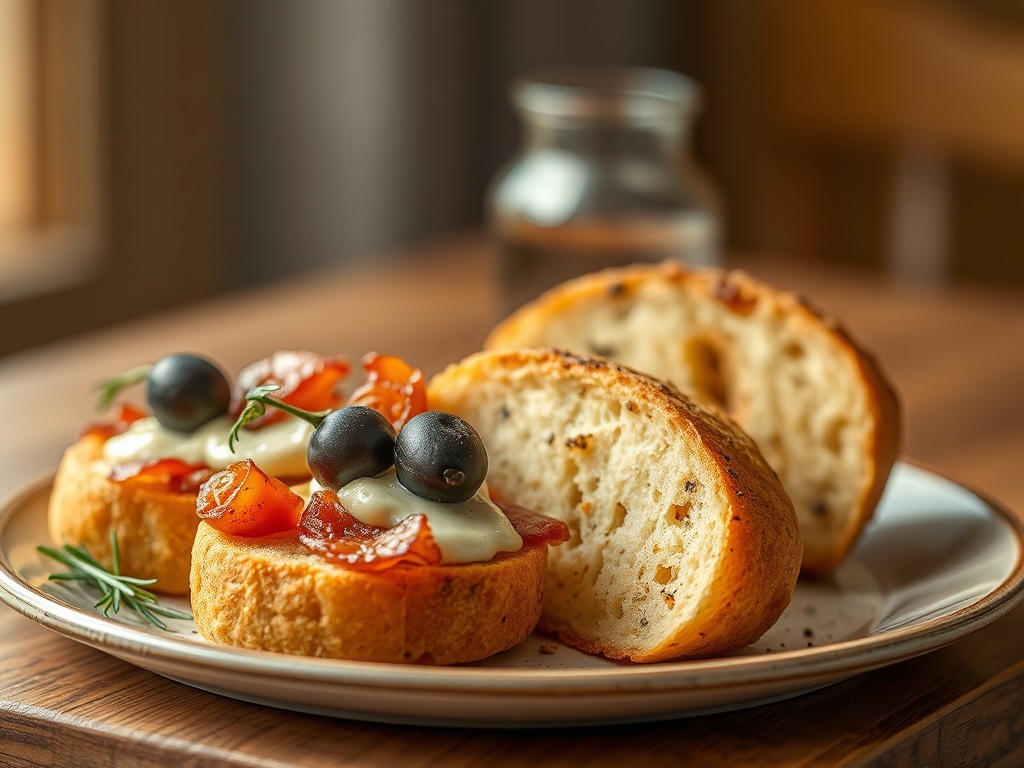
Imagine the irresistible aroma of freshly baked bread wafting through your kitchen, mingled with the savory scents of crispy bacon, briny olives, and melted cheese. That’s exactly what you get with our Olive Bacon and Cheese Bread, a truly sensational creation that promises to awaken your taste buds and become an instant favorite. This isn’t just any bread; it’s a celebration of bold flavors and comforting textures, perfect for any time of day. Whether you’re looking for an impressive brunch centerpiece, a hearty snack to fuel your afternoon, or a delicious accompaniment to a cozy dinner, this bread delivers on all fronts. It’s the kind of bake that makes your house feel like a home, inviting everyone to gather around and enjoy a slice (or two!).
What makes this bread so utterly addictive? It’s the harmonious blend of its core ingredients. Salty, smoky bacon bits are perfectly balanced by the tangy, briny burst of chopped olives – we love Kalamata for their fruity depth, but green olives work beautifully too. These savory stars are suspended in a tender, golden crumb, enriched with the creamy, sharp goodness of melted cheese. Every bite offers a delightful textural contrast: the slight crunch of bacon, the chewiness of olives, the gooey pull of cheese, all encased in a soft yet substantial bread. It’s an umami-rich experience that satisfies deeply, making it a stellar choice for everything from a simple breakfast to an elegant appetizer.
Beyond its incredible taste and texture, this Olive Bacon and Cheese Bread is surprisingly versatile and approachable for home bakers. While it looks and tastes gourmet, the steps are straightforward, making it an excellent project for both seasoned bread makers and those new to yeast baking. It’s the ultimate comfort food, offering warmth and satisfaction with every slice. Prepare to fall in love with this savory masterpiece – it’s destined to become a staple in your recipe rotation, ready to elevate any meal or simply enjoyed on its own.
Nutritional Information
Per serving (approximate values, based on 12 servings per loaf):
- Calories: 280
- Protein: 12g
- Carbohydrates: 30g
- Fat: 12g
- Fiber: 2g
- Sodium: 450mg
Ingredients
- 1 ½ cups (360ml) warm water (105-115°F / 40-46°C)
- 2 ¼ teaspoons (1 standard packet) active dry yeast
- 1 tablespoon granulated sugar
- 1 teaspoon salt
- 3 tablespoons olive oil, plus extra for greasing
- 3 ½ – 4 cups (420-480g) all-purpose flour, plus more for dusting
- 8 slices (about 6oz / 170g) smoked streaky bacon, cooked until crispy and crumbled
- ½ cup (about 80g) pitted Kalamata olives, roughly chopped
- 1 cup (about 120g) shredded sharp cheddar cheese
- ¼ cup (about 30g) grated Parmesan cheese (optional, for topping)
- 1 teaspoon dried rosemary or thyme (optional)
- Freshly ground black pepper to taste
Instructions
- In a large mixing bowl or the bowl of a stand mixer, combine the warm water, granulated sugar, and active dry yeast. Stir gently and let it sit for 5-10 minutes until the mixture becomes foamy. This indicates that your yeast is active and ready to go.
- Once the yeast is foamy, add the salt and 3 tablespoons of olive oil to the bowl.
- Gradually add 3 ½ cups of the all-purpose flour, one cup at a time, mixing with a wooden spoon or the dough hook attachment of your stand mixer on low speed.
- Once a shaggy dough forms, continue to mix or knead. If using a stand mixer, increase speed to medium-low and knead for 5-7 minutes. If kneading by hand, turn the dough out onto a lightly floured surface and knead for 8-10 minutes, adding more flour a tablespoon at a time if the dough is too sticky, until it’s smooth, elastic, and no longer sticky. The dough should spring back when lightly poked.
- Lightly grease a clean large bowl with olive oil. Transfer the dough to the bowl, turning it once to coat the entire surface with oil. Cover the bowl tightly with plastic wrap or a clean kitchen towel.
- Place the bowl in a warm, draft-free place for the first rise (proofing). Let it rise for 1 to 1 ½ hours, or until the dough has doubled in size.
- While the dough is rising, prepare your add-ins: Ensure your cooked bacon is crisp and crumbled into small pieces. Roughly chop your pitted Kalamata olives. Shred your cheddar cheese.
- Once the dough has doubled, gently punch it down to release the air.
- Turn the dough out onto a lightly floured surface. Flatten it slightly into a rectangle.
- Evenly scatter the crumbled bacon, chopped olives, shredded cheddar cheese, and optional dried rosemary or thyme over the surface of the dough.
- Gently fold the dough over itself a few times, then knead lightly for just 1-2 minutes to evenly distribute the add-ins. Be careful not to over-knead at this stage, as it can tear the gluten structure developed earlier.
- Shape the dough into a loaf. You can either form it into a freeform oval loaf or place it into a lightly greased 9×5-inch (23x13cm) loaf pan.
- Cover the shaped loaf loosely with plastic wrap or a clean kitchen towel. Let it rise again in a warm place for the second rise, about 30-45 minutes, or until the loaf looks noticeably puffy and almost doubled in size.
- Preheat your oven to 375°F (190°C) during the last 15 minutes of the second rise.
- If desired, sprinkle the top of the loaf with the optional grated Parmesan cheese and a grind of black pepper before baking.
- Bake the bread for 35-45 minutes, or until it’s golden brown on top and sounds hollow when tapped on the bottom. An internal temperature of 200-210°F (93-99°C) indicates it’s fully cooked.
- Once baked, carefully remove the bread from the loaf pan (if using) and transfer it to a wire rack to cool completely before slicing. This is crucial for the bread’s texture and to prevent it from becoming gummy.
Cooking Tips and Variations
For the best Olive Bacon and Cheese Bread, attention to detail with your ingredients and technique makes all the difference. When preparing your bacon, ensure it’s cooked until truly crispy, but not burnt. This prevents it from becoming soggy within the bread and ensures a pleasant textural contrast. After cooking, always pat the bacon dry with paper towels to remove excess grease; this is key to maintaining the bread’s structure and preventing it from becoming too oily. For the olives, if you’re using brined varieties like Kalamata or green olives, a quick rinse under cold water can help reduce their saltiness, allowing their fruity or tangy notes to shine without overpowering the bread. Chop them roughly, as larger pieces provide satisfying bursts of flavor.
Cheese quality significantly impacts the final taste. Opt for a good quality block of sharp cheddar or Gruyere and shred it yourself. Pre-shredded cheeses often contain anti-caking agents that can hinder smooth melting and affect the texture. Measure your flour accurately by using the spoon-and-level method, or even better, by weighing it with a kitchen scale, as too much flour can lead to a dense, dry loaf. When activating your yeast, ensure your water temperature is within the 105-115°F (40-46°C) range. Water that’s too hot will kill the yeast, while water that’s too cold will slow down or prevent activation altogether. The foamy appearance after 5-10 minutes is your green light.
Dough handling is crucial. During the initial kneading, whether by hand or machine, you’re developing the gluten structure that gives the bread its chewiness and elasticity. However, once you incorporate the bacon, olives, and cheese, handle the dough gently. Over-kneading at this stage can tear the developed gluten strands, resulting in a less desirable texture. Aim for just enough kneading to evenly distribute the inclusions. Proper proofing is also vital; a warm, draft-free environment is ideal for the dough to rise effectively. If your kitchen is cool, you can place the covered bowl in a slightly warm (but turned off) oven, or near a warm appliance. Don’t rush the cooling process either; slicing hot bread can make it gummy and compromise its structure. Let it cool completely on a wire rack to allow the internal structure to set and the flavors to meld.
For variations, don’t hesitate to experiment with different cheeses. Provolone, smoked gouda, or even a crumbling of feta can offer unique flavor profiles. If you’re not a fan of Kalamata olives, try Spanish green olives stuffed with pimentos, or a mix of various olive types. For a vegetarian twist, consider replacing bacon with sun-dried tomatoes (rehydrated and chopped), roasted red peppers, or even sautéed mushrooms with a dash of smoked paprika for an umami kick. Fresh herbs like finely chopped rosemary or thyme can be added to the dough along with the other inclusions, or sprinkled on top before baking for an aromatic finish. You can also vary the bread’s shape: divide the dough into smaller portions to make individual rolls, or flatten it into a focaccia, pressing the add-ins into the surface before the final rise. For a slightly nuttier flavor and added fiber, substitute up to a quarter of the all-purpose flour with whole wheat flour.
Storage and Reheating
To keep your Olive Bacon and Cheese Bread fresh and delicious, proper storage is key. Once completely cooled, the bread can be stored at room temperature in an airtight container or a bread bag for up to 2-3 days. Avoid refrigerating the bread, as this tends to dry it out and can make it stale faster. If you plan to keep it longer, freezing is an excellent option. For best results, slice the cooled loaf, then wrap individual slices tightly in plastic wrap before placing them in a freezer-safe bag or container. This allows you to thaw only what you need. A whole loaf can also be wrapped tightly in plastic wrap and then aluminum foil before freezing. It will keep well in the freezer for up to 3 months.
When you’re ready to enjoy your stored bread, reheating can bring it back to its freshly baked glory. For frozen slices, you can pop them directly into a toaster or toaster oven until warmed through and lightly crisped. For a whole frozen loaf, unwrap it and let it thaw at room temperature for a few hours. Once thawed (or if reheating a room-temperature loaf), you can reheat it in a preheated oven at 350°F (175°C) for about 10-15 minutes, or until warmed through and the crust is crisp again. Covering it loosely with foil during the first part of reheating can help prevent over-browning. For a quick refresh, a microwave can be used for short bursts (15-30 seconds per slice), but be mindful that this can sometimes make the bread a bit chewier rather than crispy.
Frequently Asked Questions
What kind of olives are best for this bread?
Kalamata olives are highly recommended for their rich, fruity, and slightly briny flavor, which pairs wonderfully with bacon and cheese. However, green olives (such as Castelvetrano or Manzanilla) also work well, offering a tangier and sometimes saltier profile. A mix of both can provide a complex flavor dimension. Ensure they are pitted and roughly chopped for even distribution and a pleasant texture.
Can I make this bread without a stand mixer?
Absolutely! This bread can be easily made by hand. After combining the ingredients to form a shaggy dough, turn it out onto a lightly floured surface and knead for 8-10 minutes until it’s smooth, elastic, and no longer sticky. The process might take a little more effort, but the results will be just as delicious and satisfying.
My dough isn’t rising. What went wrong?
There are a few common reasons why dough might not rise. The most frequent culprit is inactive yeast. Ensure your yeast is fresh and that your warm water is within the optimal temperature range of 105-115°F (40-46°C). Water that’s too hot will kill the yeast, while water that’s too cold won’t activate it. Also, make sure your proofing environment is warm and free of drafts, as cold temperatures can significantly slow down or halt yeast activity.