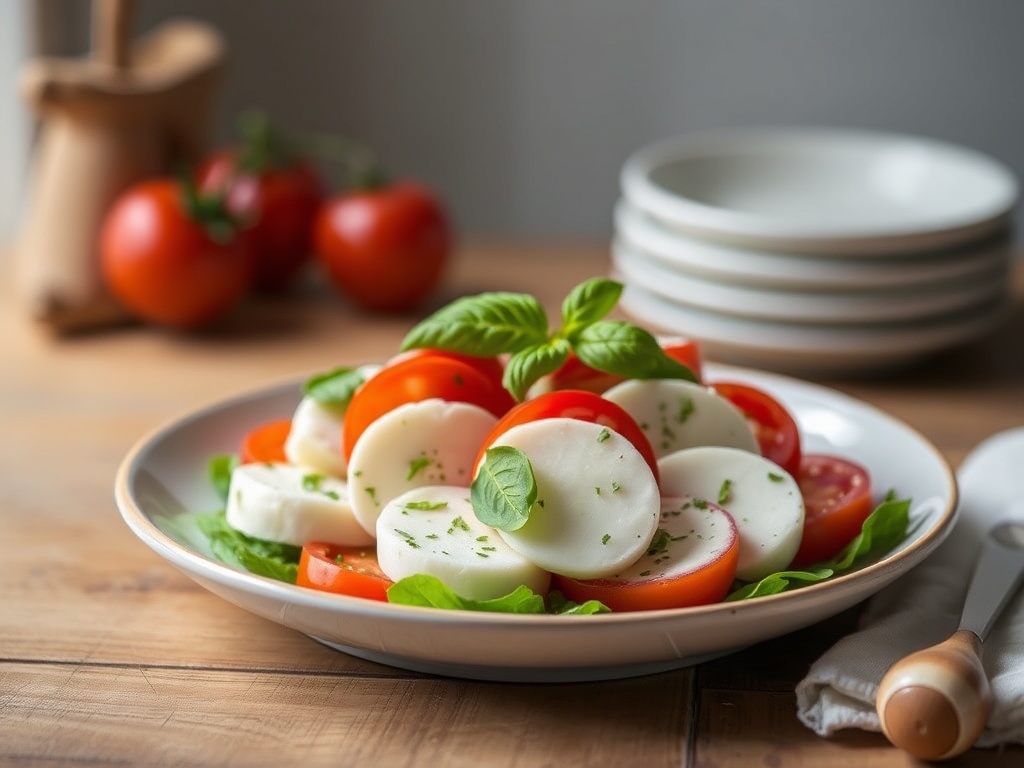
Ah, summer! The sun-drenched days, the gentle breezes, and the promise of fresh, vibrant flavors. There’s a certain magic in the air that calls for dishes that are as effortless as they are elegant, and nothing captures this essence quite like the Classic Caprese Salad. This iconic Italian dish is more than just a collection of ingredients; it’s a celebration of nature’s bounty at its peak, a simple symphony of tastes and textures that transports you straight to the sun-kissed shores of the Amalfi Coast with every bite.
The Caprese Salad, hailing from the picturesque island of Capri, is a testament to the idea that sometimes, the simplest things are the most profound. Its beauty lies in its unpretentious nature, relying entirely on the quality of its core components. Imagine perfectly ripe, juicy tomatoes, creamy fresh mozzarella, and aromatic basil leaves, all artfully arranged to mimic the vibrant colors of the Italian flag – red, white, and green. It’s a dish that needs no elaborate cooking, no complex techniques, just a respectful assembly of ingredients allowed to shine in their natural glory.
Why has Caprese become such a beloved summer staple? Its refreshing quality is unparalleled, offering a cool respite on a warm day. It’s incredibly easy to prepare, making it a go-to for impromptu gatherings, quick lunches, or a sophisticated appetizer. But beyond its convenience, the Caprese salad offers a perfect balance of flavors and textures: the sweet acidity of the tomatoes, the milky richness of the mozzarella, the peppery freshness of the basil, all brought together by a drizzle of exquisite olive oil. It’s not just a salad; it’s an experience, a delightful ode to summer that promises satisfaction with minimal effort.
Nutritional Information
Per serving (approximate values):
- Calories: 280-320
- Protein: 15-20g
- Carbohydrates: 10-15g
- Fat: 20-25g
- Fiber: 2-4g
- Sodium: 150-200mg
Ingredients
- 3-4 large ripe heirloom or beefsteak tomatoes, sliced 1/4-inch thick
- 1 lb fresh mozzarella (bufala or fior di latte), sliced 1/4-inch thick or torn into bite-sized pieces
- 1 large bunch fresh basil leaves
- 2-3 tablespoons high-quality extra virgin olive oil
- Flaky sea salt, to taste
- Freshly ground black pepper, to taste
- Optional: 2-3 tablespoons balsamic glaze, for drizzling
Instructions
- Begin by preparing your tomatoes. Wash them gently and pat them dry. Using a sharp knife, slice the tomatoes into even 1/4-inch thick rounds. If using smaller tomatoes like Roma, you might slice them lengthwise or in wedges.
- Next, prepare your fresh mozzarella. If using a large ball of mozzarella, slice it into 1/4-inch thick rounds, similar in size to your tomato slices. Alternatively, for a more rustic look and feel, you can gently tear the mozzarella into bite-sized pieces. If your mozzarella is packed in water, be sure to drain it thoroughly and gently pat it dry with a paper towel to remove excess moisture.
- Wash your fresh basil leaves and gently pat them dry. You can leave smaller leaves whole or, for larger leaves, consider a chiffonade cut (stack a few leaves, roll them tightly, and slice thinly) for an elegant presentation and even distribution of flavor.
- Now, it’s time to assemble your Caprese salad. On a large platter or individual plates, arrange alternating slices of tomato, mozzarella, and basil leaves. Overlap them slightly to create an appealing visual pattern. For a more casual presentation, you can simply layer them in a bowl.
- Once arranged, generously drizzle the entire salad with your high-quality extra virgin olive oil. The olive oil is crucial for bringing all the flavors together and adding a rich, fruity note.
- Finish by sprinkling flaky sea salt and freshly ground black pepper over the top, according to your taste preferences. The salt enhances the sweetness of the tomatoes and balances the creaminess of the mozzarella.
- If desired, just before serving, drizzle a thin stream of balsamic glaze over the salad. This adds a touch of sweet and tangy complexity that beautifully complements the other ingredients.
- Serve your Classic Caprese Salad immediately to enjoy it at its peak freshness and flavor.
Cooking Tips and Variations
The secret to an unforgettable Caprese salad lies in the quality and freshness of your ingredients. Always opt for the ripest, most flavorful tomatoes you can find; heirlooms or beefsteaks picked at their peak will make all the difference. For mozzarella, “fresh” is the operative word. Skip the pre-shredded varieties and go for fresh mozzarella di bufala or fior di latte, which offer an unparalleled creamy texture and milky flavor. Remember, this salad is best served at room temperature. Refrigeration can dull the vibrant flavors of the tomatoes and make the mozzarella firm and less appealing. Take your ingredients out of the fridge at least 30 minutes before assembling to allow them to reach optimal temperature.
When it comes to cutting, while uniform slices are classic, don’t be afraid to experiment. Tearing the mozzarella and basil can create a more rustic, organic feel and allows for more surface area for the olive oil and seasonings to cling to. Apply your olive oil, salt, and pepper just before serving. If you dress the salad too early, the salt can draw out moisture from the tomatoes, making them watery, and the basil can wilt.
While the classic Caprese is perfect as is, there are delightful variations to explore. For an easy appetizer, try Caprese skewers using cherry tomatoes, small mozzarella balls (bocconcini or ciliegine), and small basil leaves. For a seasonal twist, especially in late summer, consider a Peach & Burrata Caprese, swapping some tomatoes for ripe peach slices and mozzarella for creamy burrata. If you’re feeling adventurous, briefly grill your tomato slices and mozzarella for a “Grilled Caprese” that adds a smoky depth of flavor. Caprese also makes an excellent sandwich or panini, layered with crusty bread. For those who enjoy a slight departure from tradition, a few thin slices of red onion or some pitted Kalamata olives can add an extra layer of complexity, though purists might argue this strays from the original.
Storage and Reheating
The Classic Caprese Salad is truly best enjoyed fresh and immediately after assembly. This dish is not designed for make-ahead preparation or for storing as leftovers. The delicate nature of the fresh ingredients means that their quality rapidly deteriorates once dressed and exposed to air. The tomatoes will release their juices, making the salad watery, and the basil will begin to wilt and darken. The fresh mozzarella can also become less appealing in texture after prolonged exposure or refrigeration.
If you absolutely must store any components, it’s best to keep the sliced tomatoes, mozzarella, and basil separate in airtight containers in the refrigerator. However, even then, the tomatoes will lose some of their firm texture and vibrant flavor. Do not dress the salad until just before you plan to serve it. There is no reheating involved with Caprese salad, as it is a fresh, cold dish. The beauty of Caprese lies in its ephemeral freshness, encouraging you to savor each bite as soon as it’s prepared.
Frequently Asked Questions
What kind of tomatoes are best for Caprese salad?
For the most authentic and flavorful Caprese salad, choose ripe, in-season tomatoes. Heirloom tomatoes are often preferred for their varied colors and rich, complex flavors. Beefsteak tomatoes are also excellent for their size and juiciness, providing substantial slices. Roma tomatoes can be used for a denser texture, especially if you prefer less moisture. The key is ripeness – look for tomatoes that are heavy for their size, have a vibrant color, and smell fragrant at the stem end.
Can I use pre-shredded mozzarella for Caprese salad?
No, absolutely not. Pre-shredded mozzarella is often coated with anti-caking agents like cellulose, which alters its texture and flavor, making it unsuitable for Caprese salad. The essence of Caprese relies on the creamy, fresh, and milky texture of fresh mozzarella, which comes in balls packed in water or brine (such as mozzarella di bufala or fior di latte).
How far in advance can I prepare Caprese salad?
Caprese salad should be assembled and served immediately for the best flavor and texture. If you need to do some prep work in advance, you can slice the tomatoes and mozzarella and store them separately in airtight containers in the refrigerator for up to a day. Wash and dry the basil leaves, and store them whole between layers of damp paper towels in a sealed bag. However, do not combine and dress the salad until just before you plan to serve it, as the salt will draw out moisture from the tomatoes and the basil will wilt.
What’s the difference between balsamic vinegar and balsamic glaze?
Balsamic vinegar is a traditional Italian vinegar made from grape must. Balsamic glaze, also known as a balsamic reduction, is balsamic vinegar that has been slowly simmered until it reduces and thickens into a syrupy consistency. The glaze is sweeter and more concentrated in flavor than regular balsamic vinegar. While classic Caprese typically uses only olive oil, a balsamic glaze is a popular optional addition for those who enjoy a touch of sweet and tangy complexity.