Introduction
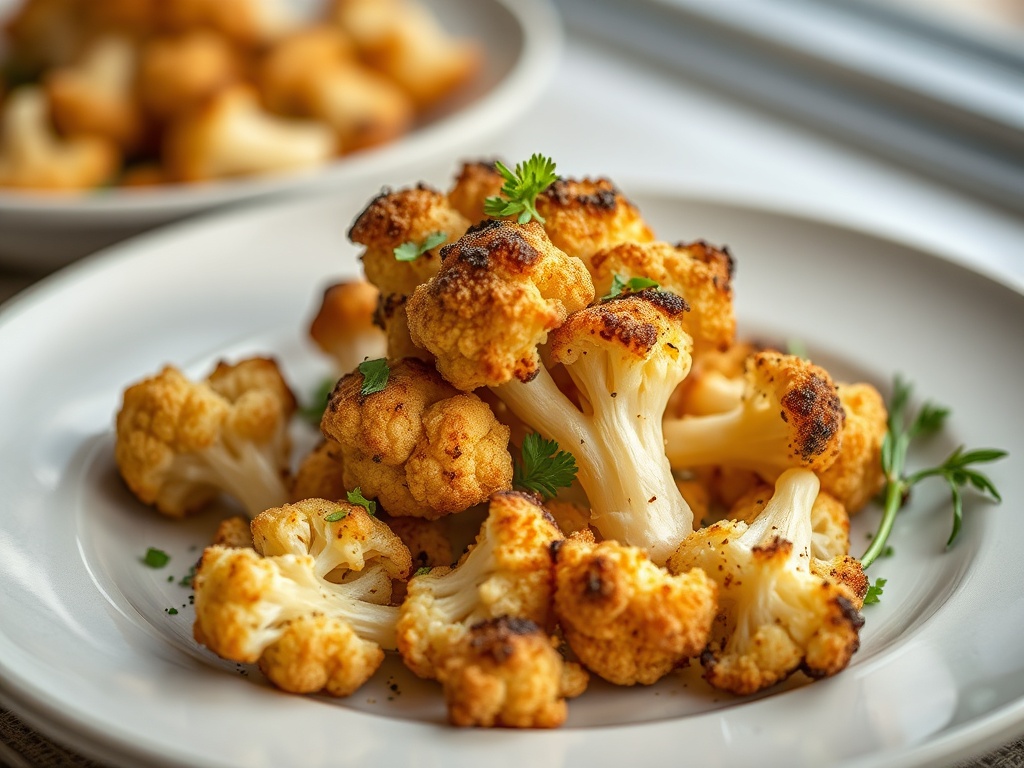
Forget everything you thought you knew about cauliflower. This humble cruciferous vegetable, often relegated to the background, is about to take center stage in the most delicious way possible. We’re talking crispy roasted cauliflower – a dish that transforms bland florets into irresistible, golden-brown bites bursting with flavor and tantalizing texture. The magic happens in the high heat of your oven, where the natural sugars caramelize, the edges crisp up beautifully, and the usually mild cauliflower develops a nutty, savory depth that is utterly addictive. It’s a culinary alchemy that converts even the most skeptical vegetable eaters into cauliflower enthusiasts.
This recipe isn’t just about making cauliflower edible; it’s about making it crave-worthy. It’s simple, healthy, and incredibly versatile, making it the perfect side dish for almost any meal, a guilt-free snack, or a fantastic addition to salads and bowls. But what truly sets this recipe apart is its unwavering focus on achieving maximum crispiness. We’re talking about those perfectly browned, slightly charred edges that deliver an amazing crunch with every bite, contrasting beautifully with the tender interior. Get ready to discover your new favorite way to enjoy vegetables, because once you taste truly crispy roasted cauliflower, there’s no going back.
Prepare to elevate your weeknight dinners and impress your guests with minimal effort. This dish proves that healthy eating can be incredibly satisfying and packed with flavor. Whether you’re looking for a low-carb alternative, a delicious vegan side, or just a fantastic way to get more vegetables into your diet, this crispy roasted cauliflower recipe is your answer. It’s a game-changer, promising to deliver a delightful crunch and robust flavor that will have everyone asking for more. Let’s get roasting!
Nutritional Information
Per serving (approximate values):
- Calories: 150
- Protein: 5g
- Carbohydrates: 15g
- Fat: 10g
- Fiber: 6g
- Sodium: 300mg
Ingredients
- 1 large head cauliflower (about 2-2.5 lbs), trimmed and cut into 1-inch florets
- 3 tablespoons avocado oil, grapeseed oil, or light olive oil
- 1 teaspoon sea salt
- 1/2 teaspoon black pepper, freshly ground
- 1/2 teaspoon garlic powder
- 1/4 teaspoon onion powder
- Optional: 1 tablespoon cornstarch (for extra crispiness)
- Optional: Fresh parsley or chives, chopped, for garnish
- Optional: Lemon wedges, for serving
Instructions
- Preheat your oven to 425°F (220°C). Line a large baking sheet with parchment paper for easier cleanup. If you don’t have parchment paper, you can lightly oil the baking sheet, but parchment is highly recommended for preventing sticking and promoting crispiness.
- Prepare the cauliflower: Wash the cauliflower head thoroughly under cold running water. Pat it completely dry with a clean kitchen towel or paper towels. This step is absolutely crucial for achieving crispiness, as any residual moisture will cause the cauliflower to steam rather than roast. Trim off the outer leaves and the tough core. Cut the cauliflower into uniform, bite-sized florets, approximately 1 to 1.5 inches in size. Aim for consistency so they cook evenly.
- Season the cauliflower: In a large mixing bowl, combine the dried cauliflower florets, avocado oil (or your chosen oil), sea salt, black pepper, garlic powder, and onion powder. If using cornstarch for extra crispiness, sprinkle it over the florets at this point. Toss everything together thoroughly, ensuring every floret is evenly coated with the oil and seasonings. You want a light, even film, not dripping wet.
- Arrange on the baking sheet: Spread the seasoned cauliflower florets in a single layer on the prepared baking sheet. It is extremely important not to overcrowd the pan. If the florets are too close together, they will steam instead of roast, leading to a soft, mushy texture rather than crispy. If necessary, use two baking sheets to give the cauliflower ample space.
- Roast the cauliflower: Place the baking sheet (or sheets) in the preheated oven. Roast for 20-25 minutes, or until the cauliflower is tender-crisp and deeply golden brown with some beautifully charred edges.
- Flip and continue roasting: After 15 minutes, remove the baking sheet from the oven and use a spatula to flip or toss the cauliflower florets. This ensures even browning and crisping on all sides. Return to the oven and continue roasting for another 5-10 minutes, or until the desired level of crispiness and color is achieved. Keep a close eye on it during the last few minutes to prevent burning.
- Finishing touches and serve: Once the cauliflower is perfectly roasted and crispy, remove it from the oven. If desired, squeeze fresh lemon juice over the top for a bright, tangy finish. Garnish with chopped fresh parsley or chives for added freshness and color. Serve immediately as a delicious side dish, snack, or as part of a larger meal.
Cooking Tips and Variations
Achieving truly crispy roasted cauliflower is all about understanding a few key principles. First and foremost, moisture is the enemy of crispiness. Always ensure your cauliflower florets are completely dry before you add any oil or seasonings. After washing, pat them vigorously with a kitchen towel or paper towels. For an extra crisp boost, you can even let them air dry on a clean towel for 15-20 minutes before proceeding. Another critical factor is high heat. Roasting at 400-425°F (200-220°C) allows the cauliflower to caramelize and brown quickly, creating those desirable crispy edges. Don’t be shy about letting it get deeply golden brown, almost charred in spots, as this is where much of the flavor and texture comes from. The final, and perhaps most important, tip is to avoid overcrowding the pan. Giving each floret its own space on the baking sheet is crucial. If they’re packed too tightly, they’ll release moisture and steam each other, resulting in a soggy texture. Use two baking sheets if necessary, and ensure a single layer with plenty of room between pieces.
For even more crispiness, consider adding a light dusting of cornstarch. About 1 tablespoon for a whole head of cauliflower, tossed with the oil and seasonings, can make a noticeable difference in the final crunch. When it comes to oil, choose one with a high smoke point like avocado oil, grapeseed oil, or light olive oil. These oils can withstand the high oven temperatures without breaking down or imparting off-flavors. While extra virgin olive oil can be used, its smoke point is lower, so be aware that it might smoke more at 425°F. For consistent cooking, cut your florets into uniform, bite-sized pieces. This ensures that all pieces cook at roughly the same rate, preventing some from being overcooked while others are still raw. Flipping or tossing the cauliflower halfway through the roasting time helps ensure even browning on all sides.
The beauty of roasted cauliflower lies in its versatility, allowing for endless flavor variations. For a Mediterranean twist, add 1 teaspoon of smoked paprika, 1/2 teaspoon of ground cumin, and finish with a squeeze of lemon juice and fresh chopped parsley after roasting. If you like heat, create a spicy version by incorporating 1/2 teaspoon of chili powder, a pinch of cayenne pepper, and a dash of red pepper flakes into your seasoning mix. For a savory, umami-rich option, try garlic Parmesan. Add 1 teaspoon of garlic powder to the initial seasoning, and then in the last 5-10 minutes of roasting, sprinkle 1/4 cup of grated Parmesan cheese over the florets. The cheese will melt and crisp up beautifully. For an Asian-inspired flavor profile, skip the garlic and onion powder in the initial seasoning. After the cauliflower is roasted, toss it with a mixture of 2 tablespoons soy sauce or tamari (for gluten-free), 1 teaspoon grated fresh ginger, and 1 teaspoon sesame oil. Garnish with sesame seeds and chopped green onions. You can also experiment with curry powder, za’atar, or a blend of Italian herbs. Remember to add fresh herbs like basil, cilantro, or mint *after* roasting to preserve their vibrant flavor and color. A splash of acidity, like a squeeze of lemon or a drizzle of balsamic glaze, can brighten the flavors significantly.
Roasted cauliflower is an incredibly versatile dish that can be served in many ways. It makes a fantastic simple side dish for grilled meats, fish, or plant-based proteins. It’s excellent as a healthy snack on its own. Incorporate it into grain bowls with quinoa or brown rice, roasted vegetables, and a flavorful dressing. Add it to wraps or tacos for a satisfying vegetarian filling. It’s also a surprisingly delicious addition to green salads, offering texture and robust flavor. For a more substantial meal, blend some of the roasted cauliflower with vegetable broth for a creamy, flavorful soup, or mash it with a little butter and milk for a low-carb alternative to mashed potatoes. The possibilities are truly endless!
Storage and Reheating
Proper storage and reheating are key to enjoying your crispy roasted cauliflower even after the initial meal. To store leftovers, allow the roasted cauliflower to cool completely to room temperature. This prevents condensation from forming in the container, which can lead to sogginess. Once cooled, transfer the cauliflower to an airtight container and store it in the refrigerator for up to 3-4 days. While it will lose some of its initial crispness upon cooling, it will still retain excellent flavor.
For the best results when reheating, avoid the microwave if possible, as it tends to make the cauliflower soft and mushy. The ideal method for regaining some crispiness is to reheat it in an oven or toaster oven. Preheat your oven or toaster oven to 350°F (175°C). Spread the leftover cauliflower in a single layer on a baking sheet. Reheat for about 10-15 minutes, or until heated through and the edges have crisped up again. Keep an eye on it to prevent burning. Alternatively, you can reheat it in an air fryer at 375°F (190°C) for 5-7 minutes, shaking the basket halfway through, until hot and crispy. A quick sauté in a hot pan with a tiny bit of oil can also work for smaller portions, helping to re-crisp the florets.
Frequently Asked Questions
Why isn’t my roasted cauliflower crispy?
The most common reasons for non-crispy roasted cauliflower are insufficient drying of the florets before roasting, overcrowding the baking sheet, or not roasting at a high enough temperature. Moisture is the enemy of crispiness, so always pat your cauliflower completely dry. Overcrowding causes the cauliflower to steam instead of roast, leading to a soft texture. Ensure a single layer with space between florets. Finally, a high oven temperature (400-425°F/200-220°C) is essential for proper caramelization and crisping.
Can I use frozen cauliflower for this recipe?
While you can roast frozen cauliflower, it typically won’t achieve the same level of crispiness as fresh cauliflower. Frozen cauliflower contains a lot more moisture, which is released during cooking, making it prone to steaming. If you must use frozen, do not thaw it first. Roast it directly from frozen, but be prepared for a longer cooking time and a softer texture. For truly crispy results, fresh cauliflower is always recommended.
What kind of oil is best for roasting cauliflower?
The best oils for roasting cauliflower are those with a high smoke point, such as avocado oil, grapeseed oil, or light olive oil. These oils can withstand the high oven temperatures (400-425°F/200-220°C) without burning or imparting a bitter taste. While extra virgin olive oil can be used, its smoke point is lower, so it may smoke more at higher temperatures.
Can I prepare the cauliflower ahead of time?
You can prepare the cauliflower florets by washing and cutting them a day or two in advance. Store them in an airtight container or bag in the refrigerator. However, for maximum crispiness, it’s best to toss them with oil and seasonings and roast them just before serving. If you season them too far ahead, the salt can draw moisture out of the cauliflower, making it less crispy when roasted.
Conclusion
There you have it – the definitive guide to creating the most unbelievably crispy roasted cauliflower you’ve ever tasted. This recipe proves that healthy eating doesn’t have to be bland or boring; in fact, it can be incredibly flavorful, satisfying, and utterly addictive. With just a few simple ingredients and some key techniques, you can transform a humble head of cauliflower into a culinary masterpiece that will impress even the pickiest eaters. It’s easy to make, packed with nutrients, and incredibly versatile, making it the perfect addition to any meal.
We’ve armed you with all the knowledge: from the critical importance of drying your florets to the magic of high heat and proper spacing. You now understand why these steps are non-negotiable for achieving that coveted golden-brown crispness. And with our array of flavor variations, you’re ready to experiment and customize this dish to suit any craving, from Mediterranean spices to a zesty garlic Parmesan finish. This isn’t just a recipe; it’s a foundation for countless delicious possibilities.
So, what are you waiting for? Head to your kitchen, grab a head of cauliflower, and get ready to experience a revelation. This crispy roasted cauliflower is about to become your new go-to side dish, a healthy snack you’ll actually crave, and a testament to the incredible power of simple, well-executed cooking. We encourage you to try this recipe tonight and discover the magic for yourself. Don’t forget to share your creations and tell us your favorite flavor combinations in the comments below!