Introduction
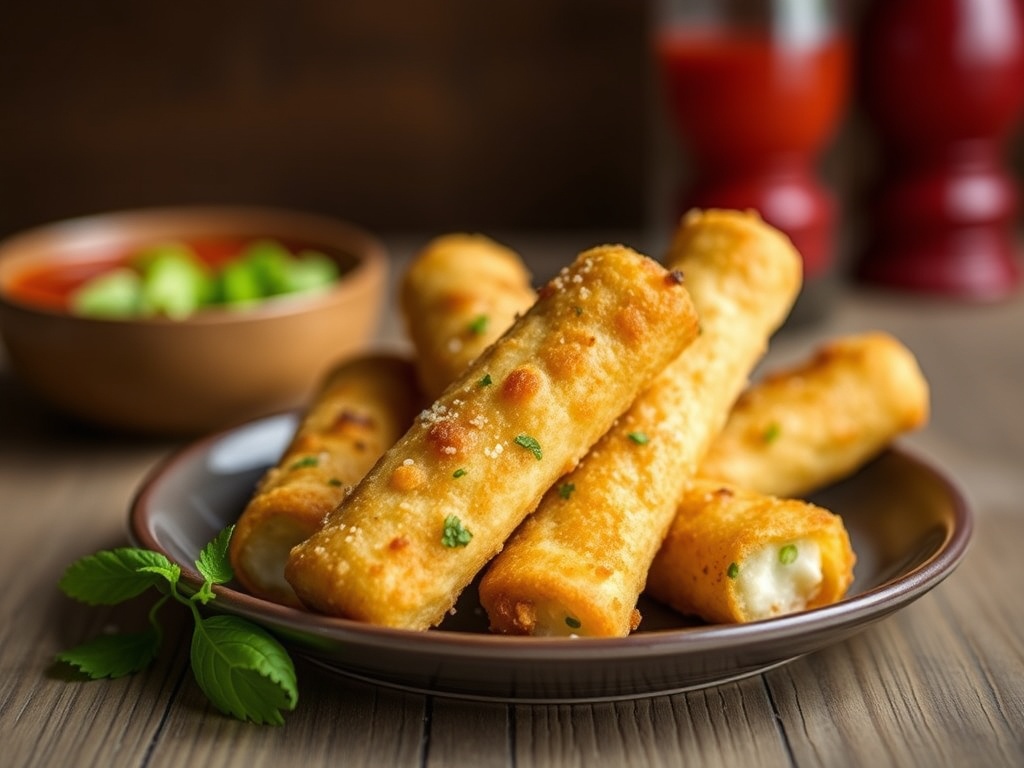
There are few appetizers that evoke such universal joy and nostalgic comfort as perfectly crafted mozzarella sticks. Imagine: a golden, impossibly crispy exterior that shatters with the slightest bite, giving way to a molten, stretchy core of pure, unadulterated cheese. The “cheese pull” is legendary, a testament to their irresistible allure, often stretching impossibly long before finally yielding. It’s a snack that transcends age, a guaranteed crowd-pleaser at any gathering, and the ultimate companion to your favorite dipping sauce.
While the convenience of frozen, store-bought versions might be tempting, they often fall short of true mozzarella stick nirvana. All too frequently, you’re left with a greasy, bland stick that lacks that essential crisp, or worse, a cheese core that refuses to melt properly. This is where the magic of homemade comes in. By taking a little extra time and following a few crucial steps, you can elevate this beloved classic from a mediocre munchie to an unforgettable culinary experience, far surpassing anything you’ll find in the freezer aisle or at many casual restaurants.
This guide promises to unlock the secrets to achieving mozzarella stick perfection right in your own kitchen. We’ll walk you through every step, from selecting the right cheese to mastering the art of the double dredge and the all-important freeze. Prepare to impress your friends and family with mozzarella sticks that boast an unparalleled crispy crust, an epic cheese pull, and a flavor profile that sings. This isn’t just a recipe; it’s your definitive blueprint for crispy, gooey, cheesy satisfaction.
Nutritional Information
Per serving (approximate values for 3 sticks):
- Calories: 320
- Protein: 18g
- Carbohydrates: 25g
- Fat: 16g
- Fiber: 1g
- Sodium: 550mg
Ingredients
- 1 lb block low-moisture, part-skim mozzarella cheese (do NOT use fresh mozzarella packed in water)
- 1 cup all-purpose flour
- 1 teaspoon garlic powder
- 1/2 teaspoon onion powder
- 1/2 teaspoon dried oregano
- 1/2 teaspoon dried basil
- 1/4 teaspoon black pepper
- 1/2 teaspoon salt, plus more for seasoning
- 2 large eggs
- 2 tablespoons milk or water
- 2 cups Panko breadcrumbs (recommended for crispiest results) or Italian breadcrumbs
- 4 cups high smoke point oil for frying (such as canola, vegetable, or peanut oil)
- Marinara sauce, for dipping
- Fresh parsley, chopped (optional, for garnish)
- A pinch of cayenne pepper (optional, for spicy breadcrumbs)
Instructions
- Prepare the Mozzarella: Unwrap the block of mozzarella cheese. Using a sharp knife, cut the block in half lengthwise, then cut each half into sticks approximately 3-4 inches long and 1/2 inch wide. Aim for uniform sizes for even cooking. You should get about 20-25 sticks.
- Set Up the Dredging Station: Prepare three shallow dishes or bowls.
- In the first dish, combine the all-purpose flour, 1/2 teaspoon salt, 1/2 teaspoon garlic powder, 1/4 teaspoon onion powder, 1/4 teaspoon dried oregano, 1/4 teaspoon dried basil, and 1/4 teaspoon black pepper. Whisk to combine thoroughly.
- In the second dish, whisk together the eggs and milk (or water) until well combined. Season lightly with a pinch of salt and pepper.
- In the third dish, add the Panko breadcrumbs. For extra flavor, you can mix in the remaining 1/2 teaspoon garlic powder, 1/4 teaspoon onion powder, 1/4 teaspoon dried oregano, 1/4 teaspoon dried basil, and a pinch of cayenne pepper if desired.
- The Double Dredge (Crucial Step): This double coating is essential for creating a robust barrier that prevents cheese leakage during frying.
- Working with one mozzarella stick at a time, first dredge it thoroughly in the seasoned flour, ensuring it’s completely coated. Shake off any excess flour.
- Next, dip the floured stick into the egg wash, allowing any excess to drip off.
- Immediately transfer the stick to the breadcrumbs, pressing firmly to ensure the breadcrumbs adhere well to all sides.
- Repeat the egg wash step: Dip the breaded stick back into the egg wash.
- Finally, return the stick to the breadcrumbs, coating it completely again and pressing firmly.
- Freeze the Mozzarella Sticks: Place the double-coated mozzarella sticks on a baking sheet lined with parchment paper, ensuring they are not touching. Transfer the baking sheet to the freezer and freeze for a minimum of 2-4 hours. For the best results and to truly prevent cheese blowouts, freezing overnight is highly recommended. This step is non-negotiable as it allows the cheese to solidify and the breading to set, ensuring a perfect fry.
- Prepare for Frying: Once the mozzarella sticks are thoroughly frozen, you’re ready to fry.
- Pour the frying oil into a deep pot or Dutch oven, ensuring it’s at least 3-4 inches deep.
- Attach a candy or deep-fry thermometer to the side of the pot.
- Heat the oil over medium-high heat until it reaches a consistent temperature of 350-375°F (175-190°C). Maintaining the correct oil temperature is critical for crispy, non-greasy results.
- Fry the Mozzarella Sticks:
- Carefully place 3-4 frozen mozzarella sticks into the hot oil using a slotted spoon or spider. Do not overcrowd the pot, as this will lower the oil temperature and result in greasy sticks.
- Fry for 2-3 minutes, turning occasionally, until they are golden brown and crispy on all sides. Watch them closely, as they can brown quickly.
- Once golden, carefully remove the fried mozzarella sticks from the oil using the slotted spoon or spider.
- Transfer them to a wire rack set over a baking sheet lined with paper towels to drain any excess oil.
- Serve Immediately: Mozzarella sticks are best enjoyed fresh out of the fryer, while the cheese is perfectly molten and the exterior is at its crispiest. Serve hot with your favorite marinara sauce for dipping. Garnish with fresh chopped parsley if desired.
Cooking Tips and Variations
The secret to truly spectacular homemade mozzarella sticks lies in attention to detail, especially during the dredging and freezing stages. Firstly, always opt for a block of low-moisture, part-skim mozzarella. Fresh mozzarella, while delicious, contains too much water and will not hold up to frying, leading to a watery, messy result. Cutting the sticks uniformly is also key; this ensures they cook evenly. If some are thicker than others, you’ll end up with some perfectly melted and some still firm in the center.
The double dredging process is your best friend against cheese leakage. The first layer of flour creates a dry surface for the egg wash to adhere to, which then helps the breadcrumbs stick. The second pass through the egg and breadcrumbs builds a robust, impenetrable barrier that keeps the molten cheese safely inside. Don’t be shy – really press those breadcrumbs onto the sticks to create a thick, protective coating. And speaking of breadcrumbs, Panko is highly recommended. Its larger, flakier texture provides an unparalleled crispiness that traditional breadcrumbs often can’t match.
The freezing step is absolutely non-negotiable. Freezing the sticks for a minimum of 2-4 hours, or ideally overnight, allows the cheese to become completely solid. This gives the breading enough time to crisp up and cook through in the hot oil before the cheese inside has a chance to melt excessively and burst through the coating. If you skip or shorten this step, you’re almost guaranteed to have cheese explosions in your fryer, leaving you with empty, crispy shells. A deep-fry thermometer is also an essential tool. Too low an oil temperature will result in greasy, soggy sticks, while too high will burn the exterior before the cheese has a chance to melt properly. Aim for a consistent 350-375°F (175-190°C).
For variations, don’t be afraid to experiment with your breadcrumb seasoning. Add a pinch of cayenne pepper for a subtle kick, or incorporate dried Italian herbs like rosemary and thyme for an aromatic twist. A generous sprinkle of finely grated Parmesan cheese mixed into the breadcrumbs can also add a delightful umami depth. For dipping sauces, while marinara is classic, consider creamy ranch, zesty honey mustard, or a vibrant pesto aioli for an elevated experience. If deep frying isn’t an option, you can try an air fryer: simply spray the frozen sticks lightly with oil and air fry at 375-400°F (190-200°C) for 6-10 minutes, flipping halfway, until golden and melty. Baking is also possible at a high temperature (around 400°F/200°C) after a light oil spray, but expect a less crispy result compared to frying or air frying.
Storage and Reheating
Homemade mozzarella sticks are undeniably at their best when enjoyed fresh, straight from the fryer. The crispness of the coating and the gooeyness of the cheese are unparalleled at this moment. However, if you find yourself with leftovers, or if you want to prepare a batch ahead of time, proper storage and reheating methods can help preserve their deliciousness.
For cooked mozzarella sticks, allow them to cool completely on a wire rack before storing. Once cooled, place them in an airtight container in the refrigerator for up to 2-3 days. To reheat, the best method is to use an air fryer or an oven. In an air fryer, preheat to 350°F (175°C) and cook for 4-6 minutes, or until heated through and crispy. In a conventional oven, preheat to 375°F (190°C), arrange the sticks in a single layer on a baking sheet, and bake for 8-12 minutes, or until hot and crispy. Avoid reheating in a microwave, as this will inevitably lead to a soggy exterior and rubbery cheese.
If you’re looking to make them ahead, the best approach is to freeze the un-fried, breaded mozzarella sticks. After they’ve completed their initial freeze (Step 5 in the instructions), transfer the rock-solid sticks from the baking sheet into a freezer-safe zip-top bag or airtight container. They can be stored in the freezer for up to 1-2 months. When you’re ready to cook, simply take them directly from the freezer and fry them following the instructions, adding an extra minute or two to the frying time if necessary to ensure they are fully cooked and golden. This make-ahead strategy is perfect for parties or spontaneous snack cravings.
Frequently Asked Questions
Why do my mozzarella sticks always leak cheese?
Cheese leakage is the most common issue, and it almost always stems from two main culprits: insufficient freezing time or an inadequate breading barrier. You must freeze the coated sticks for a minimum of 2-4 hours, preferably overnight, to ensure the cheese is completely solid. This gives the breading time to set and crisp up in the hot oil before the cheese melts too much. Additionally, ensure you’ve done a thorough double dredge, pressing the breadcrumbs firmly to create a thick and secure coating that acts as a seal.
Can I bake or air fry these instead of deep frying?
Yes, you can, but manage your expectations for crispiness. For air frying, spray the frozen sticks lightly with cooking oil and cook in a preheated air fryer at 375-400°F (190-200°C) for 6-10 minutes, flipping halfway, until golden and the cheese is melted. For baking, preheat your oven to 400°F (200°C), lightly spray the frozen sticks with oil, and bake for 8-15 minutes, or until golden. While these methods are healthier, they typically won’t achieve the same deep-fried crispness and gooey interior as traditional frying.
What kind of mozzarella cheese is best for mozzarella sticks?
The absolute best cheese for mozzarella sticks is a block of low-moisture, part-skim mozzarella. It has less water content than fresh mozzarella (which is often packed in brine), meaning it melts beautifully without becoming watery or making the breading soggy. Avoid pre-shredded mozzarella as it often contains anti-caking agents that can hinder a smooth, gooey melt. Cutting it from a block also allows you to control the size and shape for uniform cooking.
How can I prevent my mozzarella sticks from being greasy?
Greasy mozzarella sticks are usually a sign that your frying oil wasn’t hot enough. When the oil temperature drops too low (below 350°F/175°C), the breading absorbs more oil instead of immediately crisping up. Always use a deep-fry thermometer to ensure your oil is consistently between 350-375°F (175-190°C). Also, avoid overcrowding the pot, as this will instantly drop the oil temperature. Fry in small batches to maintain optimal heat, and always drain them on a wire rack set over paper towels immediately after frying.