Introduction
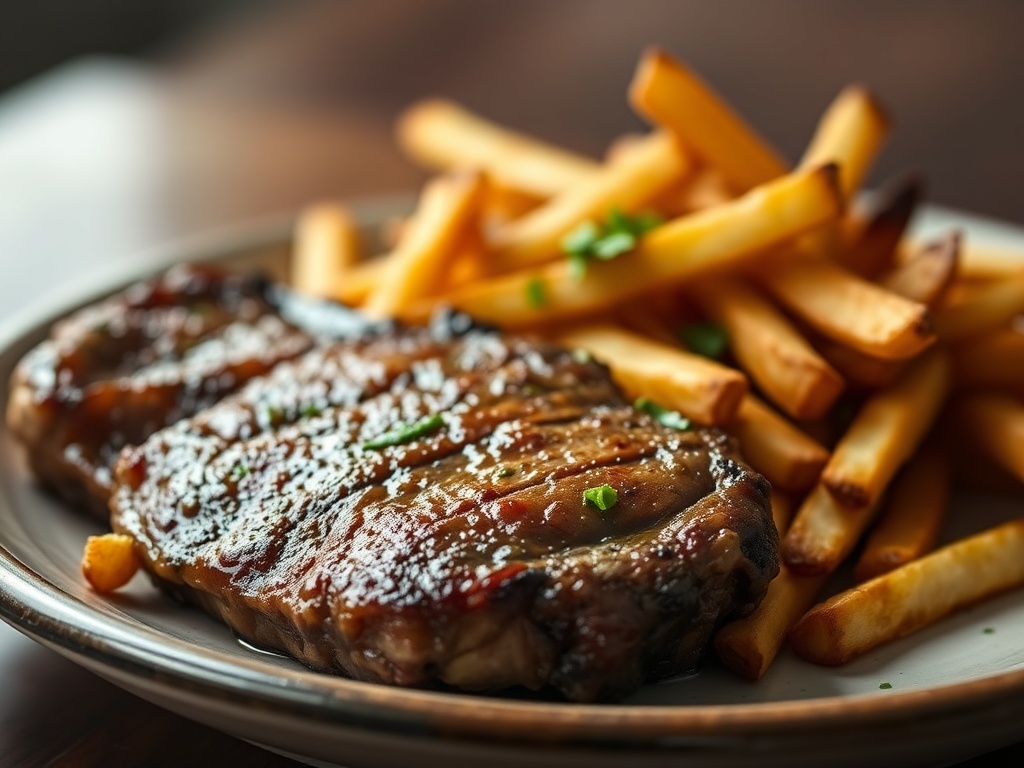
There are some culinary pairings that transcend mere meals and become legendary experiences. The humble yet majestic duo of a juicy, perfectly cooked steak and a pile of impossibly crispy French fries is undoubtedly one of them. It’s a dish that speaks to comfort, indulgence, and a timeless satisfaction, gracing menus from bustling bistros to elegant steakhouses around the globe. But what if we told you that achieving this restaurant-quality perfection, this symphony of succulent beef and golden, crunchy potatoes, is entirely within your grasp right in your own kitchen?
Forget the myth that a truly great steak-and-fries experience is reserved for professional chefs. This isn’t just another recipe; it’s a definitive guide designed to equip you with the knowledge and techniques to master both components individually and bring them together in glorious harmony. We’ll demystify the art of searing a steak to a beautiful crust while keeping its interior tender and bursting with flavor, and unlock the secrets to fries that boast an ethereal crispness without being greasy. Prepare to impress yourself and anyone lucky enough to share this culinary triumph.
In this article, you’ll find a comprehensive, step-by-step walkthrough that covers everything from selecting the right cuts and potatoes to the crucial resting periods and double-frying methods. We’ll arm you with expert tips, explain the science behind why certain steps are essential, and even offer variations to elevate your meal further. Get ready to transform your home kitchen into your favorite steakhouse and discover the sheer joy of a truly juicy steak and crispy French fries.
Nutritional Information
Per serving (approximate values):
- Calories: 950-1200
- Protein: 60-80g
- Carbohydrates: 70-90g
- Fat: 50-70g
- Fiber: 8-12g
- Sodium: 800-1200mg
Ingredients
For the Juicy Steak:
- 2 (1-inch thick) steaks (e.g., ribeye, New York strip, sirloin), about 12-14 oz each
- 1-2 tablespoons high-smoke point oil (e.g., grapeseed, avocado, canola)
- 1-2 teaspoons coarse sea salt or kosher salt
- 1/2 – 1 teaspoon freshly ground black pepper
- 2 tablespoons unsalted butter (optional, for basting)
- 2 cloves garlic, smashed (optional, for basting)
- 2 sprigs fresh rosemary or thyme (optional, for basting)
For the Crispy French Fries:
- 3-4 large Russet potatoes (about 2-2.5 lbs total)
- 6-8 cups high-smoke point frying oil (e.g., peanut, canola, vegetable), for deep frying
- 1-2 teaspoons fine sea salt, or to taste
- Optional seasonings: 1/2 teaspoon garlic powder, 1/4 teaspoon paprika, pinch of dried herbs
For Serving (Optional):
- Ketchup
- Aioli
- Béarnaise sauce
- Fresh parsley, chopped, for garnish
Instructions
-
Prepare the French Fries (First Fry):
- Peel the Russet potatoes. Using a sharp knife or mandoline, cut them into uniform 1/4-inch to 1/3-inch thick sticks. Uniformity is key for even cooking.
- Place the cut potatoes into a large bowl and cover them completely with very cold water. Let them soak for at least 30 minutes, or up to several hours, to remove excess starch. This step is crucial for crispiness. If soaking for longer than an hour, change the water once or twice.
- After soaking, drain the potatoes thoroughly. Spread them out in a single layer on a clean kitchen towel or several layers of paper towels. Pat them absolutely, completely dry. Any residual moisture will cause oil to splatter and prevent crisping. You can even use a salad spinner for an initial dry, then paper towels.
- In a large, heavy-bottomed pot or Dutch oven, pour enough frying oil to reach a depth of 2-3 inches. Heat the oil over medium-high heat until it reaches 300-325°F (150-160°C). Use a deep-fry thermometer to monitor the temperature.
- Carefully add about one-third of the dried potato sticks to the hot oil. Do not overcrowd the pot, as this will lower the oil temperature and result in soggy fries.
- Fry for 5-7 minutes, or until the fries are soft, slightly pliable, and just barely starting to turn pale yellow. They should not be browned at this stage. This first fry cooks the potatoes through.
- Using a slotted spoon or spider, remove the blanched fries from the oil and transfer them to a wire rack set over a baking sheet. Allow them to drain and cool for at least 15-20 minutes. You can even do this step several hours in advance or just before cooking the steak. Repeat with the remaining batches of potatoes.
-
Prepare the Steak:
- Remove the steaks from the refrigerator at least 30-60 minutes before cooking to allow them to come closer to room temperature. This promotes more even cooking.
- Pat the steaks thoroughly dry on all sides with paper towels. This is critical for achieving a good sear and crispy crust.
- Season both sides of each steak generously with coarse sea salt and freshly ground black pepper. Don’t be shy; steak can handle a good amount of seasoning.
- Heat a heavy-bottomed skillet, preferably cast iron, over high heat until it begins to lightly smoke, about 5-7 minutes.
- Add the high-smoke point oil to the hot pan and swirl to coat the bottom.
- Carefully place the seasoned steaks into the hot skillet. If your pan is not large enough for both steaks without overcrowding, cook them one at a time.
- Sear the steaks for 2-4 minutes per side, depending on thickness and desired doneness, until a deep golden-brown crust forms. Avoid moving the steaks around too much during searing to allow the crust to develop.
- If desired, after flipping the steaks, add the butter, smashed garlic, and rosemary/thyme sprigs to the pan. Tilt the pan slightly and, using a spoon, continuously baste the melting butter and aromatics over the steaks for the remaining cooking time.
- For accurate doneness, insert an instant-read meat thermometer into the thickest part of the steak, avoiding bone. Cook until the internal temperature reaches 5-10 degrees below your desired final doneness (due to carryover cooking during resting).
- Rare: 120-125°F (49-52°C)
- Medium-Rare: 130-135°F (54-57°C)
- Medium: 135-140°F (57-60°C)
- Once cooked to your preference, transfer the steaks to a cutting board. Tent them loosely with foil and let them rest for at least 5-10 minutes. This crucial step allows the juices to redistribute throughout the meat, ensuring a juicy steak.
-
Finish the French Fries (Second Fry):
- While the steak is resting, increase the oil temperature in your pot to 350-375°F (175-190°C).
- Working in batches again, carefully add the cooled, blanched fries back into the hot oil.
- Fry for 2-4 minutes, or until the fries are golden brown, visibly crispy, and cooked through.
- Remove the crispy fries with a slotted spoon and transfer them to a clean wire rack set over a baking sheet lined with paper towels to drain excess oil.
- Immediately after removing from the oil, season the hot fries generously with fine sea salt and any optional seasonings (garlic powder, paprika, herbs). Toss gently to coat evenly.
-
Serve:
- Slice the rested steak against the grain into desired portions.
- Arrange the sliced steak and a generous pile of crispy French fries on plates.
- Serve immediately with your preferred dipping sauces, such as ketchup, aioli, or béarnaise. Garnish with fresh parsley if desired. Enjoy your restaurant-quality meal!
Cooking Tips and Variations
Steak Tips for Perfection:
- Don’t Overcrowd the Pan: Cooking too many steaks at once will drop the pan temperature, leading to steaming instead of searing, and a lack of a good crust. Cook in batches if necessary.
- Invest in a Good Meat Thermometer: This is your best friend for perfectly cooked steak. Guessing doneness often leads to overcooked or undercooked results.
- Let the Steak Speak for Itself: While optional enhancements like butter basting are delicious, a quality steak often shines with just salt and pepper. Don’t overcomplicate it.
- Consider Reverse Searing for Thicker Steaks: For steaks thicker than 1.5 inches, reverse searing (cooking slowly in a low oven first, then searing) can provide even more control over doneness.
French Fry Tips for Ultimate Crispness:
- Don’t Skip the Soaking and Drying Steps: These are non-negotiable for truly crispy, non-soggy fries. The starch removal and moisture elimination are fundamental.
- Maintain Oil Temperature: Use a thermometer and adjust heat as needed. Too low, and fries absorb oil and become greasy; too high, and they burn before cooking through.
- Don’t Overcrowd the Fryer: This is as important for fries as it is for steak. Frying in small batches ensures optimal oil temperature and crispy results.
- Fresh Oil is Best: For the cleanest flavor and best crispness, use fresh oil. Reused oil can impart off-flavors and lower the smoke point.
Serving Suggestions & Variations:
- Classic Pairings: Ketchup, a rich homemade aioli, or a luxurious béarnaise sauce are traditional and delicious accompaniments.
- Side Salads: A simple green salad with a vinaigrette or a crisp wedge salad can cut through the richness of the steak and fries.
- Roasted Vegetables: Asparagus, broccoli, or Brussels sprouts roasted alongside the meal provide a healthy and flavorful counterpoint.
- Steak Sauce Upgrades: Experiment with different pan sauces made from the fond in the pan, or try a chimichurri or peppercorn sauce.
- Seasoned Fries: Beyond salt, try truffle oil and Parmesan cheese for a gourmet touch, a sprinkle of Cajun seasoning for a kick, or a blend of dried herbs like oregano and thyme.
- Sweet Potato Fries Alternative: For a different flavor profile, substitute Russet potatoes with sweet potatoes. Note that sweet potatoes have a higher sugar content and will brown more quickly, so adjust frying times accordingly and monitor carefully. They also benefit from the double-fry method.
Storage and Reheating
Steak:
Storage: Leftover steak should be stored in an airtight container in the refrigerator for up to 3-4 days. For best quality, slice only the portion you plan to eat immediately, leaving the rest of the steak whole.
Reheating: Reheating steak can be tricky as it often leads to dry meat. The best method is to gently warm it. Preheat your oven to 250°F (120°C). Place the steak on an oven-safe rack over a baking sheet. Reheat for 15-25 minutes, or until warmed through to your desired temperature, checking with a meat thermometer. Alternatively, slice the steak thinly and warm it quickly in a hot skillet with a little butter or oil, just until heated through, being careful not to overcook. You can also enjoy leftover steak cold in salads or sandwiches.
French Fries:
Storage: Leftover fries can be stored in an airtight container in the refrigerator for 2-3 days. Be aware that they will lose their crispness and become somewhat soft.
Reheating: Reheating fries to their original crispness requires a bit of effort but is achievable.
- Oven/Toaster Oven: Spread fries in a single layer on a baking sheet. Preheat oven to 400°F (200°C) and bake for 5-10 minutes, flipping halfway, until crispy and hot.
- Air Fryer: Place fries in a single layer in the air fryer basket. Cook at 375°F (190°C) for 3-6 minutes, shaking the basket occasionally, until crispy.
- Skillet: Heat a small amount of oil in a skillet over medium-high heat. Add fries in a single layer and cook, stirring frequently, until heated through and crispy, about 5-7 minutes. This method works well for smaller portions.
Avoid microwaving fries, as this will make them soggy.
Frequently Asked Questions
What is the best cut of steak for this recipe?
For a classic steak and fries, we recommend cuts like ribeye, New York strip, or sirloin. Ribeye offers excellent marbling for juiciness and flavor, while New York strip provides a good balance of tenderness and chew. Sirloin is a leaner, more economical option that still delivers great taste. Look for steaks that are at least 1 to 1.5 inches thick for optimal searing and doneness control.
Can I use an air fryer to make the French fries instead of deep frying?
Yes, you absolutely can use an air fryer for a healthier alternative to deep frying, though the texture will be slightly different. For best results, still soak and dry the potatoes thoroughly. Toss them with 1-2 tablespoons of oil before air frying. You’ll likely need to “double air fry” them, similar to the deep-fry method: air fry at a lower temperature (around 300-325°F or 150-160°C) until tender, then increase the temperature to 375-400°F (190-200°C) to crisp them up. Cooking times will vary by air fryer model, but expect 20-30 minutes total, shaking the basket frequently.
Why is resting the steak so important, and how long should I rest it for?
Resting the steak is perhaps the most crucial step for a juicy outcome. When steak cooks, the muscle fibers contract and push the juices towards the center. If you cut into it immediately, these juices will rush out, leaving you with a dry steak. Resting allows the muscle fibers to relax and the juices to redistribute evenly throughout the meat. For a 1-inch thick steak, aim for 5-10 minutes of rest. For thicker cuts, 10-15 minutes is ideal. Tent it loosely with foil to keep it warm without steaming the crust.
My fries aren’t getting crispy, they’re just soggy. What am I doing wrong?
The most common culprits for soggy fries are insufficient drying of the potatoes before frying, overcrowding the pot, or oil that isn’t hot enough. Ensure your potatoes are bone-dry after soaking; any water will create steam and prevent crisping. Fry in small batches to maintain a consistent oil temperature, and always use a thermometer to confirm your oil is at the correct temperature for both the first (300-325°F) and second (350-375°F) fry. Skipping the double-fry method will also result in less crispy fries, as the first fry cooks the interior and the second creates the golden, crunchy exterior.