Introduction
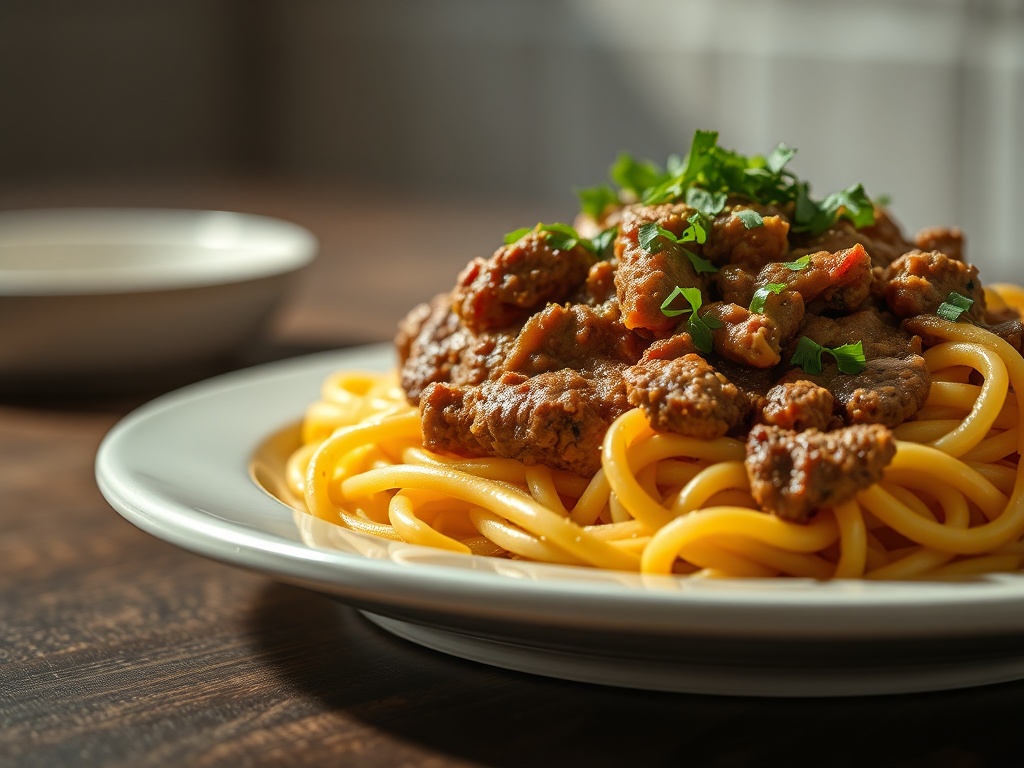
Step right up, food lovers, and prepare to be whisked away on a creamy, savory, and utterly satisfying journey back to the heart of comfort food. We’re talking about Velveeta Hamburger and Noodles, a dish so deeply ingrained in American culinary nostalgia that it practically hums with memories of busy weeknights and family dinners. This isn’t just a meal; it’s a warm hug in a bowl, a testament to the power of simple ingredients coming together to create something truly extraordinary. Forget complicated techniques or obscure components; this recipe celebrates ease, affordability, and that unmistakable, melt-in-your-mouth cheesiness that only Velveeta can deliver.
What makes this dish a perennial favorite? For starters, its sheer simplicity. In under 30 minutes, you can transform ground beef, pasta, and that iconic golden block of Velveeta into a hearty, crowd-pleasing masterpiece. It’s the ultimate antidote to the “what’s for dinner?” dilemma, offering a quick and satisfying solution that appeals to even the pickiest eaters. Budget-friendly and forgiving, this Velveeta Hamburger and Noodles recipe is a dream for busy parents, college students, and anyone craving a taste of home without spending hours in the kitchen. It’s the homemade answer to those boxed dinner blues, delivering superior flavor and wholesome goodness without any artificial fuss.
This recipe isn’t just about feeding your body; it’s about feeding your soul. The rich, velvety cheese sauce coats every strand of pasta and every bite of savory ground beef, creating a symphony of textures and flavors that is both comforting and deeply satisfying. Whether you’re reliving childhood memories or creating new ones with your own family, this dish promises to be a beloved addition to your weeknight rotation. It’s hearty enough to be a complete meal on its own, yet versatile enough to welcome a side salad or some crusty bread. Get ready to discover your new go-to comfort food classic!
Nutritional Information
Per serving (approximate values):
- Calories: 550
- Protein: 35g
- Carbohydrates: 45g
- Fat: 28g
- Fiber: 3g
- Sodium: 980mg
Ingredients
- 1 tablespoon olive oil (optional, for browning beef if not using lean)
- 1 pound lean ground beef (80/20 or 90/10 recommended)
- 1 medium yellow onion, chopped
- 2 cloves garlic, minced (or 1 teaspoon garlic powder)
- 4 cups beef broth (low sodium recommended)
- 1 teaspoon salt (adjust to taste, especially if using regular broth)
- ½ teaspoon black pepper, freshly ground
- ½ teaspoon paprika (optional, for color and mild flavor)
- ¼ teaspoon onion powder (optional, for extra depth)
- ¼ teaspoon dried mustard (optional, enhances cheesiness)
- 1 teaspoon Worcestershire sauce (optional, for umami depth)
- 12 ounces elbow macaroni (or other small pasta shape like shells or ditalini)
- 16 ounces Velveeta cheese, original or 2% milk, cut into 1-inch cubes
- ¼ cup milk (optional, for extra creaminess or thinning the sauce)
- Fresh parsley, chopped (for garnish, optional)
- ½ cup frozen peas or corn (optional, for added vegetables)
- ½ cup diced canned tomatoes, drained (optional, for added vegetables and tang)
- Hot sauce, to taste (optional, for a spicy kick)
Instructions
- Begin by preparing your ingredients. Chop the onion and mince the garlic. Cut the Velveeta cheese into 1-inch cubes. Measure out your beef broth and seasonings. This prep work will make the cooking process smooth and efficient.
- Fill a large pot with water and bring it to a rolling boil. Add a generous pinch of salt to the boiling water, then add the elbow macaroni. Cook the pasta according to package directions until it is al dente, meaning it’s still firm to the bite. Do not overcook, as it will continue to cook slightly when combined with the sauce. Once cooked, drain the pasta thoroughly and set aside.
- While the pasta is cooking, heat a large skillet or Dutch oven over medium-high heat. If using ground beef with a higher fat content, you may not need olive oil; otherwise, add 1 tablespoon of olive oil to the pan. Add the ground beef to the hot skillet and break it apart with a spoon. Cook, stirring occasionally, until the beef is fully browned and no pink remains.
- Once the beef is browned, carefully drain any excess fat from the skillet. This step is crucial to prevent a greasy sauce. You can use a spoon to scoop out the fat or tilt the pan and drain it into a heat-safe container.
- Reduce the heat to medium. Add the chopped onion to the skillet with the browned beef. Cook, stirring frequently, for 5-7 minutes, or until the onion has softened and become translucent.
- Stir in the minced garlic (or garlic powder) into the skillet. Cook for another 30-60 seconds until fragrant. Be careful not to burn the garlic, as it can turn bitter quickly.
- Pour the beef broth into the skillet. Add the salt, black pepper, and any optional seasonings you’re using (paprika, onion powder, dried mustard, Worcestershire sauce). Stir everything together well. Bring the mixture to a gentle simmer, scraping up any browned bits from the bottom of the pan with your spoon.
- Once simmering, reduce the heat to low. Add the cubed Velveeta cheese to the skillet. Stir constantly with a wooden spoon or spatula until the Velveeta is completely melted and the sauce is smooth and creamy. This step requires patience and continuous stirring on low heat to prevent the cheese from sticking or burning.
- If the sauce appears too thick for your preference, you can stir in ¼ cup of milk, a tablespoon at a time, until you reach your desired consistency.
- Add the drained cooked macaroni to the skillet with the creamy beef and cheese sauce. Gently stir until the pasta is evenly coated. If you are adding optional vegetables like frozen peas, corn, or diced tomatoes, stir them in now.
- Heat the mixture through gently for another 1-2 minutes, allowing all the flavors to meld and the optional vegetables to warm. Taste the Velveeta Hamburger and Noodles and adjust seasonings as needed. You might want a little more salt, pepper, or even a dash of hot sauce for a kick.
- Serve immediately in warm bowls. Garnish with fresh chopped parsley, if desired, for a touch of freshness and color. Enjoy this ultimate comfort food classic!
Cooking Tips and Variations
Achieving the perfect Velveeta Hamburger and Noodles is all about a few key techniques and knowing how to adapt the recipe to your taste. First and foremost, don’t overcook your pasta. Cooking it al dente is crucial because it will continue to absorb liquid and cook slightly in the hot cheese sauce. Overcooked pasta can become mushy, detracting from the texture of the dish. Secondly, always drain your ground beef thoroughly after browning. This prevents a greasy final product and ensures your sauce remains rich and creamy, not oily. For the Velveeta, cutting it into small cubes dramatically speeds up the melting process. When adding the Velveeta to the pan, make sure your heat is on low and stir constantly. This gentle heat and continuous agitation are essential to prevent the cheese from sticking to the bottom of the pan and burning, which can ruin the sauce’s smooth texture and flavor. Finally, don’t be afraid to adjust the consistency of your sauce by adding a splash of milk or extra broth if it seems too thick for your liking.
The beauty of this Velveeta Hamburger and Noodles recipe lies in its versatility. While Velveeta is the undeniable star for that classic, smooth texture, you can experiment with variations. For those feeling adventurous, a blend of sharp cheddar and cream cheese can mimic some of Velveeta’s meltability, though it won’t be quite the same. If you’re looking to spice things up, a pinch of red pepper flakes or a dash of your favorite hot sauce stirred into the sauce will add a welcome kick. This dish is also a fantastic vehicle for sneaking in extra vegetables. Stir in frozen peas, corn, or diced bell peppers along with the pasta for added color, nutrition, and texture. Canned diced tomatoes, well-drained, also add a lovely tang and freshness. For protein variations, ground turkey or even ground sausage can be used in place of ground beef, offering a different flavor profile. If you’re out of beef broth, chicken or vegetable broth can be substituted, or even water with a bouillon cube. Don’t forget herbs; a sprinkle of dried oregano, thyme, or even a bay leaf simmered with the broth can deepen the overall flavor. Serve your Velveeta Hamburger and Noodles with a crisp side salad to balance the richness, or with some crusty bread to soak up every last drop of that incredible sauce. Pickles or other tangy garnishes can also provide a nice contrast to the creamy dish.
Storage and Reheating
Proper storage and reheating are key to enjoying your Velveeta Hamburger and Noodles leftovers as much as the first time. Once the dish has cooled to room temperature, transfer any leftovers to an airtight container. This helps maintain freshness and prevents the dish from absorbing odors from other foods in your refrigerator. Stored correctly, your Velveeta Hamburger and Noodles will stay fresh and delicious for 3-4 days in the refrigerator. It’s a fantastic meal prep option for lunches or quick dinners throughout the week.
When it comes to reheating, the goal is to restore that creamy texture without drying out the pasta or making the sauce grainy. For stovetop reheating, transfer the desired portion to a saucepan or skillet. Heat gently over low to medium-low heat, stirring frequently. As the dish warms, you’ll likely notice the sauce has thickened considerably. To bring it back to its original creamy consistency, add a splash of milk or beef broth (1-2 tablespoons at a time) while stirring, until the sauce is smooth and luxurious again. Continue heating until warmed through. If using a microwave, place your portion in a microwave-safe dish. Heat in 1-minute intervals, stirring well after each interval, until thoroughly heated. Again, if the sauce appears too thick, stir in a tiny bit of milk or broth to loosen it up. Avoid overheating, as this can cause the cheese sauce to separate or become oily. With these simple tips, your leftovers will be just as comforting and delicious as the freshly made dish.
Frequently Asked Questions
Can I use natural cheese instead of Velveeta?
While you can use natural cheese, such as cheddar, Monterey Jack, or a blend, it will not yield the same incredibly smooth, consistent, and melt-in-your-mouth creamy sauce that Velveeta provides. Velveeta is a processed cheese product specifically designed for superior melting and a unique texture that is hard to replicate with natural cheeses, which tend to separate or become grainy when melted into a sauce. For the authentic Velveeta Hamburger and Noodles experience, Velveeta is highly recommended.
What if my sauce is too thick or too thin?
If your sauce is too thick, simply add a splash more beef broth or milk, one tablespoon at a time, stirring constantly until you reach your desired consistency. If your sauce is too thin, you can try simmering it gently for a few more minutes to allow some of the liquid to evaporate, or you can mix a teaspoon of cornstarch with a tablespoon of cold water to create a slurry, then stir this into the simmering sauce and cook for another minute until it thickens. Be cautious with the cornstarch as a little goes a long way.
Can I freeze Velveeta Hamburger and Noodles?
While it is possible to freeze Velveeta Hamburger and Noodles, dairy-based sauces, especially those with processed cheese, can sometimes change texture upon freezing and thawing, potentially becoming slightly grainy or separated. If you choose to freeze it, store it in an airtight, freezer-safe container for up to 2-3 months. Thaw overnight in the refrigerator and reheat gently on the stovetop or in the microwave, adding a splash of milk or broth while stirring to help restore the sauce’s creaminess. It may not be quite as perfect as fresh, but it will still be delicious.
Is this dish considered a “one-pot meal”?
Technically, no, because the pasta is cooked separately. However, it’s very close! The bulk of the cooking happens in one large skillet or Dutch oven for the beef and sauce. If you have a very large pot, you could cook the pasta in it first, drain it, and then proceed with browning the beef and making the sauce in the same pot, effectively making it a true one-pot meal. This minimizes cleanup and is a great time-saving trick.