Introduction
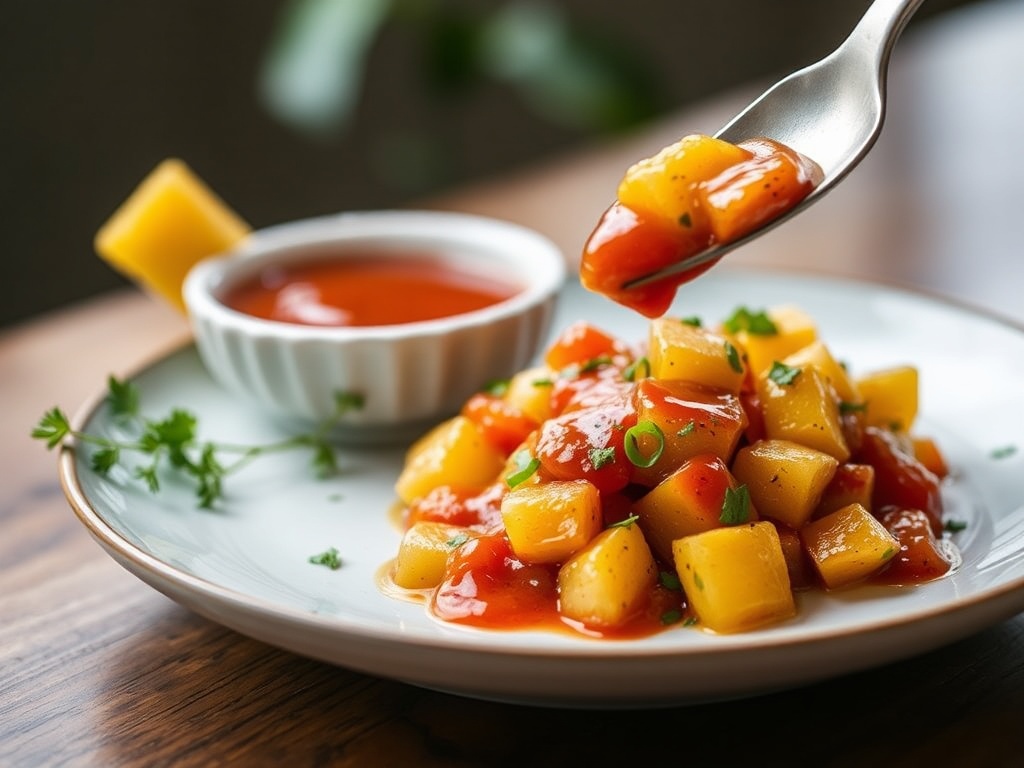
Prepare your taste buds for a vibrant dance of sweet, spicy, and tangy notes! This homemade Sweet Chili Pineapple Sauce is a tropical explosion that promises to elevate your culinary creations from ordinary to extraordinary. Forget bland, store-bought condiments; this recipe delivers a fresh, dynamic flavor profile that’s incredibly versatile and undeniably delicious. Whether you’re looking for a zesty dipping sauce, a succulent glaze, or a flavorful marinade, this sauce is about to become your new kitchen MVP.
The allure of sweet chili pineapple sauce lies in its perfect balance. The natural sweetness and bright acidity of fresh pineapple provide a fantastic counterpoint to the invigorating kick of chili, while a hint of savory depth rounds out the experience. It’s a flavor combination that excites the palate and instantly transports you to sun-drenched shores. Making it yourself means you control every ingredient, ensuring peak freshness, no artificial additives, and a superior taste that simply can’t be matched by anything from a jar. Get ready to unlock a world of flavor with this easy-to-follow recipe!
This recipe promises a delicious and versatile sauce that is surprisingly simple to create. We’ll walk you through each step, ensuring you achieve that perfect balance of sweet, heat, and tang. From juicy pineapple to fiery chilies and aromatic ginger, each component plays a crucial role in crafting a sauce that’s not just a condiment, but a star in its own right. So, roll up your sleeves, grab your ingredients, and let’s embark on a journey to create a sweet and spicy tropical bliss that will become a staple in your home.
Nutritional Information
Per serving (approximate values, based on 1.5 cups yield and 12 servings):
- Calories: 75
- Protein: 0.5g
- Carbohydrates: 19g
- Fat: 0.1g
- Fiber: 1g
- Sodium: 65mg
Ingredients
- 2 cups fresh pineapple, cubed (from about 1/2 a medium pineapple)
- 1/2 cup water
- 1/4 cup granulated sugar (plus more to taste)
- 1/4 cup rice vinegar
- 1 teaspoon red chili flakes (adjust for desired heat)
- 1 small fresh red chili (e.g., Thai bird’s eye or serrano), thinly sliced (seeds removed for less heat)
- 2 cloves garlic, minced
- 1 tablespoon fresh ginger, grated
- 1 teaspoon fish sauce (optional, but highly recommended for depth)
- 1 tablespoon cornstarch
- 2 tablespoons cold water (for slurry)
- 1 teaspoon lime juice (optional, for extra brightness)
- Pinch of salt (to taste)
Instructions
- In a medium saucepan, combine the cubed pineapple, 1/2 cup water, granulated sugar, rice vinegar, red chili flakes, sliced fresh red chili, minced garlic, and grated ginger.
- Bring the mixture to a gentle simmer over medium heat, stirring occasionally.
- Once simmering, reduce the heat to low, cover, and cook for 15-20 minutes, or until the pineapple is very soft and easily mashed with a spoon.
- Carefully transfer the cooked pineapple mixture to a blender or food processor. Alternatively, use an immersion blender directly in the saucepan.
- Blend until the sauce is smooth. If you prefer a slightly chunkier sauce, blend for a shorter duration or reserve a small amount of finely diced pineapple to stir in later.
- Return the blended sauce to the saucepan over low heat.
- Stir in the fish sauce, if using.
- In a small bowl, whisk together the cornstarch and 2 tablespoons of cold water until a smooth slurry forms.
- Gradually whisk the cornstarch slurry into the simmering sauce. Continue whisking constantly to prevent lumps.
- Cook, stirring continuously, for another 2-5 minutes, or until the sauce thickens to your desired consistency. It should coat the back of a spoon.
- Remove the saucepan from the heat.
- Taste the sauce and adjust the seasoning as needed. You might want to add more sugar for sweetness, a splash more rice vinegar for tang, additional chili flakes for heat, or a pinch of salt to enhance all the flavors. If using, stir in the optional lime juice now for a final burst of brightness.
- Allow the sauce to cool completely before transferring it to an airtight container for storage. The sauce will thicken further as it cools.
Cooking Tips and Variations
For the best flavor and texture, always opt for fresh, ripe pineapple. Ripe pineapple will be slightly soft to the touch, have a sweet aroma at its base, and yield a naturally sweeter sauce. If using canned pineapple in a pinch, be sure to drain it well and reduce the initial amount of added sugar, tasting as you go. To control the heat level, remember that removing the seeds and white membrane from fresh chilies significantly reduces their capsaicin content. For a milder sauce, you can omit the fresh chili entirely and use fewer red chili flakes. For those who crave more heat, consider adding a tiny amount of a hotter chili like a habanero, or a dash of sriracha at the very end.
Achieving the perfect texture is key. If you desire an exceptionally smooth sauce, after blending, you can pass it through a fine-mesh sieve to catch any fibrous bits of pineapple or chili. For a sauce with more body and a rustic appeal, blend it less, leaving some small pineapple pieces intact. The cornstarch slurry is your friend for thickening, but add it gradually and cook for a few minutes to ensure it fully activates without leaving a starchy taste. If your sauce becomes too thick, simply whisk in a tablespoon or two of water or pineapple juice until it reaches your desired consistency. Conversely, if it’s too thin, cook it a little longer to reduce, or prepare a small additional cornstarch slurry.
Experiment with additional flavor boosters to customize your sauce. A tiny drizzle of toasted sesame oil added at the very end can impart a wonderful nutty, Asian-inspired aroma. If you’re looking for a deeper umami profile and prefer not to use fish sauce, a splash of soy sauce can be a good substitute. For an even brighter, more complex citrus note, consider adding a pinch of lime zest along with the lime juice. Don’t be afraid to taste and adjust throughout the cooking process; your palate is the best guide to creating a sauce that perfectly suits your preferences.
Storage and Reheating
Proper cooling and storage are essential for maintaining the freshness and safety of your homemade Sweet Chili Pineapple Sauce. Once the sauce has cooled completely to room temperature, transfer it to a clean, airtight container. Store the sauce in the refrigerator for up to 1-2 weeks. Always use a clean spoon when scooping out the sauce to prevent contamination and extend its shelf life. If you notice any signs of spoilage, such as an off smell, discoloration, or mold, it’s best to discard it.
For longer-term storage, this sauce freezes beautifully. Pour the cooled sauce into freezer-safe containers or heavy-duty freezer bags, leaving a little headspace for expansion. It can be frozen for up to 2-3 months. When you’re ready to use it, thaw the frozen sauce in the refrigerator overnight. Once thawed, you can gently reheat it in a saucepan over low heat, stirring frequently until warmed through. If it appears a little thin after thawing, a quick simmer might help it thicken slightly again. Avoid refreezing sauce that has been thawed.
Frequently Asked Questions
Can I use canned pineapple instead of fresh?
While fresh pineapple offers superior flavor and texture, canned pineapple (packed in juice, not syrup) can be used in a pinch. Be sure to drain it very well and adjust the sugar content in the recipe, as canned pineapple can sometimes be sweeter. The overall flavor might be slightly less vibrant than with fresh.
How can I make this sauce less spicy for children or those sensitive to heat?
To reduce the spice, you can completely omit the fresh red chili and use only a quarter to half a teaspoon of red chili flakes. Alternatively, you can use a milder fresh chili like a jalapeño (seeds removed) or finely diced bell pepper for a subtle sweetness and color without the heat. Always taste and adjust to your preference.
What is the purpose of fish sauce in this recipe?
Fish sauce, while optional, adds a profound depth of savory flavor, known as umami, to the sauce. It doesn’t make the sauce taste “fishy” but rather enhances and balances the sweet, sour, and spicy notes, giving the sauce a more complex and well-rounded profile. If you prefer to omit it, the sauce will still be delicious, but it will lack that extra layer of savory richness.
My sauce is too thin/thick. How can I fix it?
If your sauce is too thin, return it to the saucepan and simmer gently for a few more minutes to allow it to reduce and thicken naturally. If it’s still not thick enough, prepare a small slurry with 1/2 teaspoon cornstarch and 1 tablespoon cold water, then gradually whisk it into the simmering sauce. If your sauce is too thick, simply whisk in a tablespoon or two of water or pineapple juice until it reaches your desired consistency.