Introduction
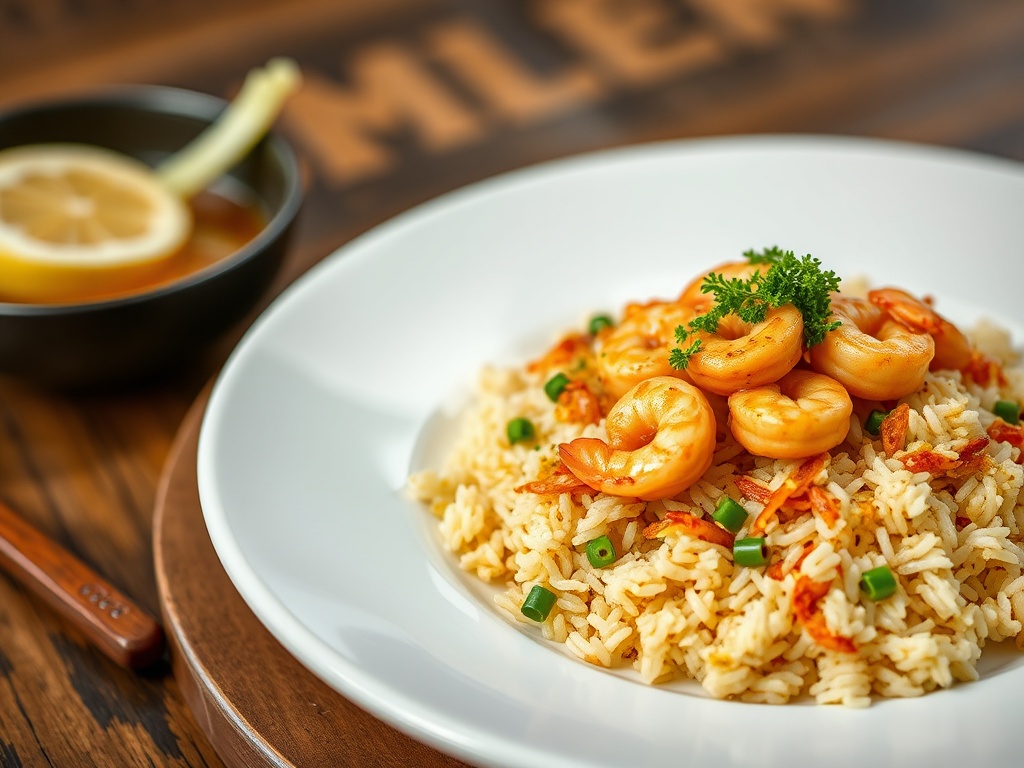
There are few dishes as universally beloved and deeply satisfying as a plate of perfectly executed fried rice. And when you add plump, succulent prawns into the mix, you elevate it to a truly exceptional culinary experience. Prawn Fried Rice isn’t just a meal; it’s a symphony of textures and flavors – from the tender bite of the shrimp and the crisp freshness of vegetables to the savory, umami-rich grains of rice, all kissed by the intense heat of a wok. It’s a dish that promises comfort, delivers on taste, and surprisingly, comes together quicker than you might imagine, making it a weeknight hero and a crowd-pleasing star for any gathering.
Originating from humble beginnings in Asian kitchens, fried rice has evolved into countless variations, but the prawn version holds a special place due to its delicate sweetness and satisfying chew. This recipe aims to guide you to create a Prawn Fried Rice that rivals your favorite takeout, offering a beautiful balance of flavors – savory, a hint of sweet, and a subtle warmth from white pepper. What makes our recipe stand out is its emphasis on technique and quality ingredients, ensuring each grain of rice is distinct, each prawn perfectly cooked, and every mouthful bursting with authentic taste. Forget mushy, bland fried rice; prepare yourself for a vibrant, flavorful, and incredibly easy-to-master dish that will become a staple in your cooking repertoire.
Nutritional Information
Per serving (approximate values):
- Calories: 450
- Protein: 28g
- Carbohydrates: 55g
- Fat: 15g
- Fiber: 4g
- Sodium: 1100mg
Ingredients
- 2 tablespoons high smoke point oil (vegetable, canola, or peanut oil), plus more for scrambling eggs
- 2 large eggs, whisked with a pinch of salt
- 1 pound large raw prawns (shrimp), peeled and deveined, tails on or off
- 4 cups cooked day-old white rice, refrigerated (preferably medium or long-grain)
- 1 cup frozen peas and carrots blend, thawed
- ½ cup frozen corn kernels, thawed
- 4 cloves garlic, minced
- 1 tablespoon fresh ginger, grated or minced
- ½ medium yellow onion, finely diced
- 3 green onions (scallions), thinly sliced, white and green parts separated
- 3 tablespoons soy sauce (light or low-sodium)
- 1 tablespoon oyster sauce (optional, but highly recommended for umami)
- ½ teaspoon white pepper
- ¼ teaspoon granulated sugar
- 1 teaspoon sesame oil (for finishing)
- Salt to taste (use sparingly, as soy sauce is salty)
Instructions
- Prepare Your Mise en Place: This is the most crucial step for stir-frying. Ensure all your ingredients are prepped and ready before you even turn on the heat. Peel and devein the prawns. Whisk the eggs. Mince garlic and ginger. Dice the onion. Thaw peas, carrots, and corn. Slice green onions, separating the white and green parts. In a small bowl, whisk together the soy sauce, oyster sauce (if using), white pepper, and sugar. Break up any large clumps in your day-old rice.
- Cook the Eggs: Heat 1 tablespoon of oil in a large wok or a heavy-bottomed skillet over medium-high heat. Pour in the whisked eggs and scramble quickly until just set but still soft. Remove the cooked eggs from the pan and set aside.
- Sear the Prawns: Add another tablespoon of oil to the same wok over medium-high heat. Add the peeled and deveined prawns in a single layer. Cook for 1-2 minutes per side, until they turn pink and opaque. Be careful not to overcrowd the pan; cook in batches if necessary. Remove the cooked prawns from the wok and set aside with the eggs. Remember, overcooked prawns become rubbery.
- Sauté the Aromatics: Add a final tablespoon of oil to the wok, ensuring it’s still over medium-high to high heat. Add the diced yellow onion and the white parts of the green onions. Stir-fry for 1-2 minutes until they start to soften and become fragrant.
- Add Garlic and Ginger: Add the minced garlic and grated ginger to the wok. Stir-fry for about 30 seconds until fragrant, being careful not to burn the garlic.
- Stir-Fry Vegetables: Add the thawed peas, carrots, and corn to the wok. Stir-fry for 2-3 minutes, allowing them to heat through and become slightly tender-crisp.
- Introduce the Rice: Add the cold, day-old rice to the wok. Use your spatula to break up any clumps. Press the rice against the hot surface of the pan, allowing some grains to slightly crisp up. Stir-fry for 3-5 minutes, tossing regularly, until the rice is heated through and some grains have a slight char.
- Apply the Sauce: Pour the pre-mixed sauce (soy sauce, oyster sauce, white pepper, sugar) evenly over the rice. Stir vigorously to ensure every grain of rice is coated with the delicious sauce. Continue to stir-fry for another 1-2 minutes.
- Combine and Finish: Return the cooked prawns and scrambled eggs to the wok. Gently fold them into the fried rice, ensuring they are evenly distributed and heated through.
- Final Touches and Taste Test: Remove the wok from the heat. Drizzle with sesame oil and sprinkle with the green parts of the sliced green onions. Taste the fried rice and adjust seasoning if necessary, adding a pinch more salt or soy sauce if desired.
- Serve Immediately: Transfer the Prawn Fried Rice to serving plates and enjoy hot!
Cooking Tips and Variations
For the absolute best Prawn Fried Rice, remember that high heat and quick cooking are your best friends. A wok is ideal for its ability to distribute heat evenly and provide ample space for tossing, but a large, heavy-bottomed skillet will work well too, just ensure it’s not overcrowded. The single most important tip is to use cold, day-old cooked rice. Freshly cooked rice has too much moisture and will result in a mushy, clumpy fried rice. If you don’t have day-old rice, spread freshly cooked rice on a baking sheet and refrigerate for a few hours to dry it out before using. Always have all your ingredients prepped and ready (mise en place) before you start cooking, as stir-frying is a very fast process and you won’t have time to chop or measure once the heat is on. Don’t overcook your prawns; they cook in just a couple of minutes and will turn rubbery if left on the heat too long. White pepper is traditionally preferred in Asian stir-fries for its distinct, subtle heat compared to black pepper. Lastly, add sesame oil at the very end as a finishing touch; its delicate flavor can be lost with prolonged cooking.
This recipe is incredibly versatile, allowing for numerous variations to suit your taste or what you have on hand. For different proteins, you can swap out prawns for diced chicken (cook until no longer pink), thinly sliced beef (cook quickly until browned), tofu (pressed and cubed, then pan-fried until crispy), or even a mix of seafood. To boost the vegetable content, consider adding finely chopped bell peppers, sliced water chestnuts, bamboo shoots, shredded cabbage, or bean sprouts during the vegetable stir-fry stage. For those who love a bit of heat, sprinkle in some chili flakes with the aromatics, or drizzle with sriracha before serving. Garnishes can elevate the dish further; think crispy fried shallots, a sprinkle of fresh cilantro, or a squeeze of lime juice for a touch of acidity. You can also experiment with different types of soy sauce; using a combination of light and dark soy sauce can add more depth of color and a slightly sweeter, richer flavor. This Prawn Fried Rice can be served as a satisfying main dish on its own, or as a flavorful side dish alongside other Asian-inspired meals like spring rolls, dumplings, or grilled satay skewers.
Storage and Reheating
To store leftover Prawn Fried Rice, allow it to cool completely to room temperature (within 1 hour) before transferring it to an airtight container. Refrigerate promptly. It will keep well in the refrigerator for up to 3-4 days. For reheating, the best method is to use a wok or skillet over medium-high heat with a tiny bit of oil. Add the cold fried rice and stir-fry for 3-5 minutes, breaking up any clumps, until it’s heated through and some of the rice grains get slightly crispy again. You can also reheat it in the microwave, though the texture might be a little softer. Place the fried rice in a microwave-safe dish, cover it loosely, and heat on high for 1-2 minutes, stirring halfway through, until hot. While fried rice can be frozen, the texture of the prawns and vegetables might become a bit softer and the rice a little mushier upon thawing and reheating. If freezing, cool completely, then store in an airtight, freezer-safe container for up to 1 month. Thaw overnight in the refrigerator before reheating.
Frequently Asked Questions
Why do I need to use day-old rice? Can’t I just cook fresh rice?
Using day-old, cold, cooked rice is absolutely paramount for good fried rice. Freshly cooked rice contains too much moisture, which will cause your fried rice to steam rather than fry. This results in a mushy, clumpy texture instead of the distinct, slightly crispy grains that are characteristic of excellent fried rice. The refrigeration process dries out the rice, making it perfect for stir-frying on high heat.
My fried rice always turns out sticky and clumpy. What am I doing wrong?
Several factors can contribute to sticky fried rice. The most common culprit is using freshly cooked or warm rice, as discussed above. Other reasons include overcrowding your pan, which lowers the temperature and causes ingredients to steam rather than fry; not using enough oil; or not stir-frying with high enough heat. Ensure your wok or skillet is scorching hot before adding ingredients, and cook in batches if necessary to maintain that high temperature.
Do I have to use oyster sauce? What if I’m vegetarian or don’t like it?
Oyster sauce provides a wonderful depth of savory umami flavor that is characteristic of many Asian dishes, including fried rice. While highly recommended for an authentic taste, it’s not strictly mandatory. If you’re vegetarian or vegan, you can find vegetarian oyster sauce made from mushrooms, which offers a similar flavor profile. If you simply prefer not to use it, you can omit it and add a little extra soy sauce or a splash of mushroom-based seasoning sauce for an added layer of flavor.
How do I prevent my prawns from becoming rubbery?
Prawns cook very quickly, typically in just 1-2 minutes per side, until they turn opaque and pink. The key to preventing them from becoming rubbery is to not overcook them. It’s best to cook them briefly until they are just done, then remove them from the pan and set them aside. You’ll add them back in at the very end of the cooking process, just long enough to heat through. This ensures they remain tender and succulent.