Introduction
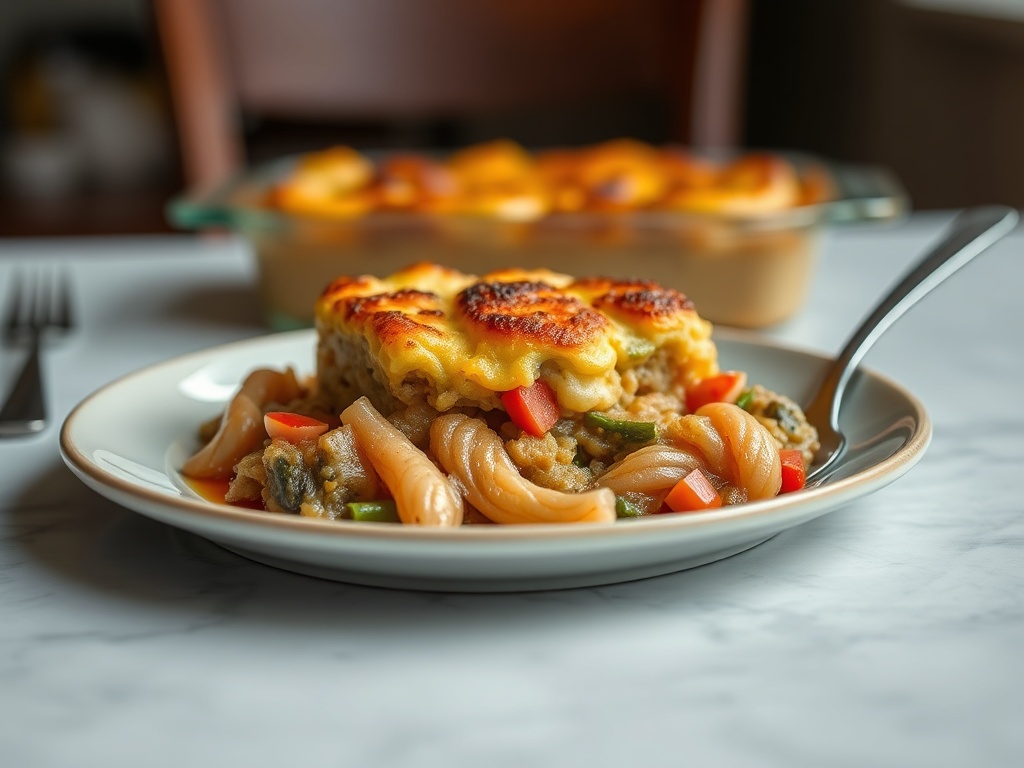
Ah, the weeknight dinner dilemma. We’ve all been there: staring into a seemingly empty fridge after a long, exhausting day, budget constraints weighing on our minds, yet a hungry family (or just a hungry you!) needing a comforting, satisfying meal. This is precisely where the “Poor Man’s Husband Casserole” strides in like a culinary superhero. It’s not just a dish; it’s a testament to resourceful cooking, a warm hug in a baking dish, and a true family favorite that delivers on flavor without breaking the bank. This hearty, layered, and utterly economical casserole is designed for ease, maximum satisfaction, and minimal fuss, making it a beloved staple in countless kitchens. Get ready to transform simple ingredients into something truly special.
So, what exactly makes this casserole so universally adored? Its genius lies in its sheer simplicity and ability to transform common pantry staples into a meal that feels both substantial and indulgent. Often passed down through generations, this recipe embodies the spirit of making the most of what you have, maximizing flavor with minimal cost. It’s the kind of dish that feeds a crowd, is endlessly customizable to suit various tastes and ingredients on hand, and carries a wonderful sense of nostalgia. Forget complicated techniques or exotic ingredients; this casserole is all about honest, good food that brings people together.
In the following sections, you’ll discover how to create this delicious, stress-free, and budget-conscious meal solution. We’ll unpack its core components, guide you through a step-by-step recipe, and offer a plethora of customization ideas to make it uniquely yours. Prepare to add a new, much-loved recipe to your rotation – one that promises a satisfying dinner and happy eaters. And for a perfect balance, consider serving this rich casserole alongside a simple, crisp green salad to cut through its comforting richness.
Nutritional Information
Per serving (approximate values):
- Calories: 550
- Protein: 35g
- Carbohydrates: 45g
- Fat: 28g
- Fiber: 5g
- Sodium: 850mg
Ingredients
- 1 tablespoon olive oil
- 1 pound lean ground beef (80/20 or 90/10)
- 1 large yellow onion, chopped
- 2-3 cloves garlic, minced
- 1 (10.5 ounce) can condensed cream of mushroom soup
- 1 (10.5 ounce) can condensed cream of chicken soup
- 1/2 cup milk (whole or 2%)
- 1 tablespoon Worcestershire sauce (optional, but recommended)
- 1 teaspoon dried Italian seasoning
- 1/2 teaspoon black pepper
- 1/4 teaspoon salt (or to taste)
- 4-5 medium potatoes, peeled and thinly sliced (about 1/8 inch thick) OR 8 ounces egg noodles, cooked al dente
- 2 cups shredded sharp cheddar cheese, divided
- 1 cup frozen peas and carrots blend (optional)
- 1/2 cup French fried onions or crushed Ritz crackers, for topping (optional)
- Fresh parsley, chopped, for garnish (optional)
Instructions
- Preheat your oven to 375°F (190°C). Lightly grease a 9×13 inch baking dish.
- If using potatoes, peel and thinly slice them. If using egg noodles, cook them according to package directions until al dente, then drain them. Set aside.
- Heat the olive oil in a large skillet or Dutch oven over medium-high heat. Add the ground beef and cook, breaking it up with a spoon, until browned and no longer pink.
- Drain any excess fat from the skillet. Add the chopped onion to the skillet with the beef and cook for 5-7 minutes, or until softened and translucent.
- Stir in the minced garlic and cook for another minute until fragrant.
- Reduce the heat to medium-low. Stir in both cans of condensed cream of mushroom soup and cream of chicken soup, milk, Worcestershire sauce (if using), Italian seasoning, black pepper, and salt. Mix well until everything is combined and heated through.
- If using, stir in the frozen peas and carrots blend into the beef mixture.
- Remove the skillet from the heat.
- Begin layering the casserole in the prepared baking dish. If using potatoes, arrange half of the sliced potatoes evenly in the bottom of the dish. If using egg noodles, spread half of the cooked noodles evenly.
- Spoon half of the beef and soup mixture over the potato or noodle layer, spreading it evenly.
- Sprinkle 1 cup of shredded cheddar cheese over the beef mixture.
- Repeat the layers: add the remaining potatoes or egg noodles, followed by the rest of the beef and soup mixture.
- Sprinkle the remaining 1 cup of shredded cheddar cheese over the top.
- If desired, sprinkle the French fried onions or crushed Ritz crackers evenly over the cheese for a crispy topping.
- Bake for 30-40 minutes, or until the casserole is bubbly around the edges and the cheese is melted and lightly golden. If using potatoes, ensure they are tender when pierced with a fork. If the topping starts to brown too quickly, you can loosely tent the casserole with aluminum foil.
- Once baked, remove the casserole from the oven and let it rest for 10-15 minutes before serving. This allows the layers to set and makes for cleaner serving.
- Garnish with fresh chopped parsley, if desired, and serve hot.
Cooking Tips and Variations
Achieving the best “Poor Man’s Husband Casserole” is all about maximizing flavor and texture with simple steps. For a deep, rich taste, don’t rush the browning of your ground beef. Allow it to get some good caramelization, as this Maillard reaction significantly contributes to the overall depth of flavor in your casserole. Make sure to drain any excess fat after browning to prevent a greasy final product. When it comes to the starch, whether you choose potatoes or pasta, if you’re pre-cooking them, aim for al dente or slightly undercooked. They will continue to cook and soften in the oven, and you want them to absorb the delicious sauce without becoming mushy.
Seasoning is key, and the best way to ensure a balanced flavor throughout is to season each component as you go. A pinch of salt and pepper when browning the beef, and then again when combining the sauce ingredients, will make a big difference compared to seasoning only at the very end. Once the casserole is out of the oven, resist the urge to dive in immediately. A crucial resting time of 10-15 minutes allows the casserole to set, making it easier to serve neat slices and preventing it from falling apart. This also allows the flavors to meld beautifully.
The beauty of this casserole lies in its adaptability. Don’t have ground beef? Ground turkey, ground pork, or even crumbled Italian sausage can make excellent protein swaps. For a vegetarian option, cooked lentils or plant-based ground “meat” substitutes work wonderfully. Experiment with different starches; mashed potatoes can create a creamy top layer, tater tots can provide a fantastic crispy crust, or try different pasta shapes like macaroni or penne. Boost the nutrition and color by adding more vegetables: frozen mixed vegetables, sautéed mushrooms, fresh spinach wilted into the beef mixture, or diced bell peppers are all great additions. For the sauce, consider swapping out one of the condensed soups for a can of cream of celery, or make your own béchamel sauce from scratch for an even richer binder. Cheese variations are endless – Monterey Jack, Colby, Swiss, or even a spicy pepper jack can add new dimensions. A dash of hot sauce, a pinch of red pepper flakes, or a sprinkle of smoked paprika can introduce a nice kick, while fresh herbs like thyme or rosemary can elevate the aroma. Remember, this recipe is a canvas; feel free to paint with your favorite flavors and ingredients!
Storage and Reheating
This “Poor Man’s Husband Casserole” is fantastic for meal prep and makes excellent leftovers. To store any uneaten portions, allow the casserole to cool completely to room temperature. Once cool, cover the baking dish tightly with plastic wrap and then aluminum foil, or transfer individual servings into airtight containers. Properly stored in the refrigerator, the casserole will remain fresh for 3-4 days.
For longer storage, this casserole is very freezer-friendly. You can freeze it baked or unbaked. To freeze baked casserole, allow it to cool completely, then wrap tightly in plastic wrap and then aluminum foil. For unbaked casserole, assemble everything in a freezer-safe baking dish, cover tightly, and freeze. Frozen casserole will keep well for up to 3 months. When ready to bake from frozen (unbaked), remove plastic wrap, cover with foil, and bake at 350°F (175°C) for about 60-90 minutes, then uncover and bake for another 15-20 minutes until bubbly and heated through. For reheating thawed or refrigerated baked casserole, you can either microwave individual portions until hot, or for larger amounts, reheat in an oven preheated to 350°F (175°C) for 20-30 minutes, covered, or until heated through. If it seems a little dry, you can add a splash of milk or broth before reheating.
Frequently Asked Questions
What kind of potatoes work best for slicing in this casserole?
For sliced potatoes, starchy potatoes like Russet or Idaho work wonderfully as they become tender and absorb flavors well. Waxy potatoes like Yukon Gold or red potatoes can also be used; they tend to hold their shape a bit better and offer a slightly firmer texture.
Can I make this casserole ahead of time?
Absolutely! This casserole is an excellent make-ahead dish. You can assemble the entire casserole (without the crispy topping, if using) up to 24 hours in advance. Cover it tightly with plastic wrap and refrigerate. When ready to bake, remove it from the fridge about 30 minutes before baking to allow it to come closer to room temperature, then bake as directed, possibly adding an extra 10-15 minutes to the baking time.
How can I make this casserole gluten-free?
To make this casserole gluten-free, you’ll need to make a few substitutions. Ensure your condensed soups are certified gluten-free (many brands offer GF versions, or you can make a homemade GF cream soup alternative). If using egg noodles, swap them for gluten-free pasta. If using potatoes, they are naturally gluten-free. All other ingredients are typically naturally gluten-free, but always check labels to be sure, especially for seasonings.
My casserole seems a bit dry. What can I do?
If your casserole seems dry, it could be due to over-baking or not enough liquid. Next time, try adding an extra 1/4 to 1/2 cup of milk or broth to the soup mixture. When reheating leftovers, if they seem dry, you can add a splash of milk or broth to the portion before microwaving or baking to restore moisture.