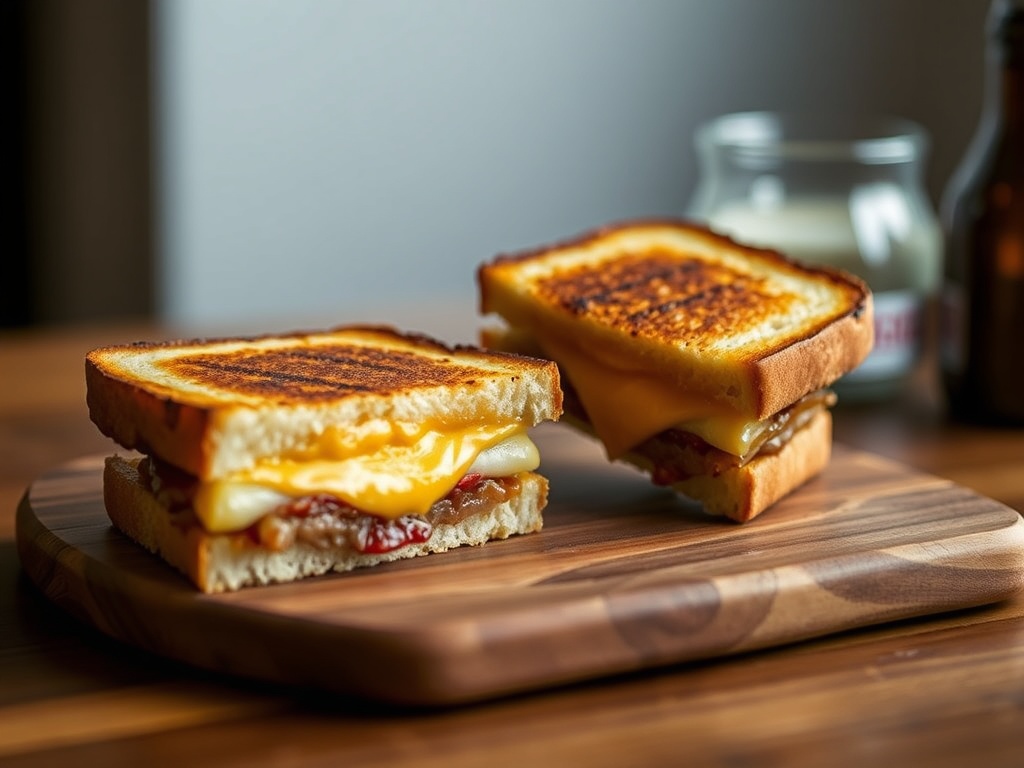
The Han Solo of Sandwiches: Perfect Grilled Cheese, Harrison Ford’s Way
Introduction
There are few culinary comforts as universally adored as the grilled cheese sandwich. It’s a nostalgic hug in edible form, a simple alchemy of bread, butter, and cheese transformed into something transcendent. But what if we told you that even this humble classic harbutes a secret, a maverick move whispered among culinary circles, reportedly championed by none other than the legendary Harrison Ford himself? Prepare to have your perceptions of this beloved sandwich forever altered, because today, we’re delving into the perfect grilled cheese, with a twist so surprising, yet so utterly effective, it could only come from a true iconoclast.
Forget everything you thought you knew about achieving that perfect golden crust and gooey, molten interior. While the foundational principles of a great grilled cheese remain steadfast – quality ingredients, patient cooking – Mr. Ford’s unexpected contribution elevates this simple dish from comforting staple to an art form. It’s a testament to the idea that even the most straightforward recipes can be transformed with a single, ingenious stroke. This isn’t just about a sandwich; it’s about rediscovering the joy in simplicity, and the thrill of an unexpected culinary revelation, all thanks to the man who brought us Indiana Jones and Han Solo.
Why does this recipe matter? Because it proves that culinary brilliance doesn’t always reside in complex techniques or exotic ingredients. Sometimes, it’s found in a clever tweak to a familiar favorite, a subtle adjustment that unlocks new levels of flavor and texture. This isn’t just a recipe; it’s an experience, a journey from the ordinary to the extraordinary, proving that comfort food can indeed be elevated to gourmet status, all with a surprising secret weapon that will make you wonder how you ever made grilled cheese without it.
Nutritional Information
Per serving (approximate values):
- Calories: 450-550
- Protein: 20-25g
- Carbohydrates: 30-40g
- Fat: 25-35g
- Fiber: 2-4g
- Sodium: 600-800mg
Ingredients
- 2 slices high-quality sourdough or artisanal white bread, medium thickness
- 2 tablespoons unsalted butter, softened, or 2 tablespoons mayonnaise (for the outside)
- 2 slices sharp cheddar cheese (about 1.5-2 oz total)
- 1 slice Fontina or American cheese (about 0.75-1 oz total)
- 1 teaspoon Dijon mustard (Harrison Ford’s twist!)
- Optional: 1/4 teaspoon garlic powder or onion powder, mixed with butter/mayo
- Optional: Thinly sliced dill pickles (for an extra tang and crunch)
Instructions
- Prepare Your Ingredients: Ensure your cheese is at room temperature for optimal melting. If using butter, make sure it’s softened enough to spread easily. If using mayonnaise, have it ready. Grate your own cheese if not using pre-sliced for a smoother melt.
- The Harrison Ford Twist – Mustard Layer: Lay one slice of bread on a clean surface. Spread a thin, even layer of Dijon mustard across one side of this bread slice. This is Harrison Ford’s secret weapon, adding a bright, tangy counterpoint that cuts through the richness of the cheese.
- Layer the Cheese: On top of the mustard-coated bread slice, arrange one slice of sharp cheddar, followed by the Fontina or American cheese, and then the second slice of sharp cheddar. If adding pickles, layer them evenly over the cheese.
- Close the Sandwich: Place the second slice of bread on top of the cheese layers, mustard-side up if you prefer the mustard to be directly on the cheese.
- Prepare the Exterior: Now, for the crucial exterior. If using butter, spread an even layer of softened butter on the outside of both slices of bread. If you’re adopting the popular chef’s secret (often attributed to Harrison Ford), spread a thin, even layer of mayonnaise on the outside of both slices of bread. This mayo method yields an incredibly crispy, golden-brown crust with a subtle tang. If using, mix garlic or onion powder into your butter or mayonnaise before spreading.
- Preheat the Pan: Place a non-stick skillet or cast-iron pan over medium-low heat. It’s crucial to use moderate heat to ensure the cheese melts thoroughly before the bread burns.
- Cook the First Side: Once the pan is warm (a drop of water should sizzle gently), carefully place the sandwich in the pan, buttered/mayo-side down. Cook for 3-5 minutes, or until the bread is a deep golden brown and the cheese has begun to melt.
- Gentle Press: After about 2-3 minutes, gently press down on the sandwich with a spatula. This ensures good contact with the pan for even browning and helps compress the sandwich slightly for a better bite.
- Flip and Finish: Carefully flip the sandwich using your spatula. Cook the second side for another 3-5 minutes, or until golden brown and the cheese is completely melted and gooey. If the cheese isn’t melting fast enough, you can place a lid over the pan for the last minute or two to create a steamy environment.
- Serve Immediately: Remove the grilled cheese from the pan and place it on a cutting board. Let it rest for about 30 seconds before slicing diagonally, which helps distribute the cheese evenly. Serve hot and enjoy your Harrison Ford-inspired masterpiece!
Cooking Tips and Variations
For the ultimate melt, always bring your cheese to room temperature before assembling the sandwich. Cold cheese takes longer to melt, increasing the risk of burning your bread. If you’re feeling adventurous, combine a good melting cheese like Fontina or American with a small amount of a more pungent, harder cheese like aged Parmesan or Pecorino Romano for an extra flavor punch. Grating your own cheese is always recommended, as pre-shredded cheeses often contain anti-caking agents that can hinder a smooth, creamy melt. Don’t overstuff your sandwich; too much cheese can make it difficult to cook evenly and lead to cheese oozing out excessively. The key to a perfect grilled cheese is patience and low-to-medium heat. Resist the urge to crank up the heat, as this will burn the bread before the cheese has a chance to fully melt.
Beyond the Harrison Ford twist, there are endless ways to customize your grilled cheese. For a sweet and savory experience, try adding a thin layer of fig jam or apple butter to the inside. Caramelized onions or crispy bacon bits can add incredible depth of flavor and texture. If you like heat, a few thinly sliced pickled jalapeños or a dash of hot sauce can provide a welcome kick. Experiment with different types of bread; a hearty rye can offer a distinct flavor profile, while a rich brioche will create a decadent, slightly sweet sandwich. Don’t forget herbs! A sprinkle of fresh chives, thyme, or oregano can brighten the flavors. For an extra crispy exterior, some chefs swear by lightly toasting the inside of the bread slices before assembling the sandwich; this creates a barrier against sogginess and adds an extra layer of texture.
Storage and Reheating
Grilled cheese is best enjoyed immediately after cooking, when the bread is crispy and the cheese is perfectly molten. However, if you have leftovers, you can store them. Allow the sandwich to cool completely to room temperature. Wrap it tightly in aluminum foil or plastic wrap, or place it in an airtight container. Store it in the refrigerator for up to 2-3 days. Be aware that the bread will lose its crispness and the cheese will solidify upon cooling.
Reheating grilled cheese requires a bit of finesse to avoid a soggy mess. The best method is to reheat it in a pan on the stovetop. Place the cold sandwich in a dry, non-stick skillet over medium-low heat. Cook for 3-5 minutes per side, or until the bread is re-crisped and the cheese is melted through. You can also use a toaster oven set to a low-medium temperature (around 300-325°F) for 5-10 minutes, flipping halfway through. Avoid using a microwave, as it will make the bread soggy and chewy, and the cheese will likely become rubbery rather than gooey.
Can I make this grilled cheese vegetarian?
Absolutely! This recipe is inherently vegetarian. All the ingredients used are plant-based or dairy, making it suitable for a vegetarian diet. You can easily adapt it further by experimenting with different cheeses or adding other vegetarian fillings like sautéed mushrooms or roasted red peppers.
What’s the best cheese combination for a perfect melt and flavor?
For the best of both worlds, a combination of cheeses is ideal. A good melting cheese like Fontina, American, or Monterey Jack provides the gooey, stretchy texture. Pair this with a more flavorful, slightly firmer cheese like sharp cheddar, Gruyère, or even a bit of Parmesan for depth of flavor. The Harrison Ford twist of Dijon mustard also significantly enhances the overall flavor profile.
Can I use gluten-free bread for this recipe?
Yes, you can definitely use gluten-free bread. However, keep in mind that gluten-free breads can vary significantly in texture and browning capabilities. Choose a sturdy, medium-thick sliced gluten-free bread that you know toasts well. You may need to adjust cooking times slightly, as some gluten-free breads can brown faster or become crispier than traditional wheat breads.
What if my cheese isn’t melting fast enough?
If your bread is browning but the cheese inside isn’t melting, it’s usually a sign that your heat is too high. Reduce the heat immediately. You can also employ the “steam dome” trick: place a lid over the pan for the last minute or two of cooking. This traps heat and steam, creating a warm, moist environment that helps melt the cheese more efficiently without burning the bread. Just be sure to remove the lid quickly once the cheese is melted to prevent the bread from becoming soggy.