Instructions
- Prepare the Saffron Broth: In a small bowl, steep the saffron threads in 1/2 cup of warm seafood broth for at least 15 minutes. This will allow the saffron to release its color and flavor.
- Sauté the Aromatics: Heat the olive oil in a large, wide pot or Dutch oven over medium heat. Add the chopped onion and cook until softened and translucent, about 5 minutes. Add the minced garlic and cook for another minute until fragrant, being careful not to burn it.
- Toast the Rice: Add the Arborio rice to the pot and stir constantly for 2-3 minutes, until the grains are lightly toasted and translucent around the edges. This step helps to develop the flavor and prevent the risotto from becoming gummy.
- Deglaze (Optional): If using, pour in the white wine and stir until it is completely absorbed by the rice. This will add depth and acidity to the risotto.
- Add Broth Gradually: Pour in one cup of the warm seafood broth (including the saffron infusion) and stir constantly until the liquid is almost completely absorbed. Continue adding broth, one cup at a time, stirring constantly and allowing each addition to be absorbed before adding the next. This process is crucial for creating the creamy texture of risotto.
- Cook the Rice: Continue stirring and adding broth for approximately 20-25 minutes, or until the rice is al dente – tender but still slightly firm to the bite. Taste the rice frequently and adjust the seasoning with salt and pepper as needed.
- Cook the Mussels: While the risotto is cooking, prepare the mussels. In a separate pot, add about 1/2 cup of water and bring to a boil. Add the mussels, cover the pot, and steam for 5-7 minutes, or until the mussels have opened. Discard any mussels that do not open. Remove the mussels from their shells, reserving a few for garnish, and set aside.
- Cook the Shrimp: In a skillet, heat a tablespoon of olive oil over medium-high heat. Add the shrimp and cook for 2-3 minutes per side, or until pink and opaque. Be careful not to overcook the shrimp, as they will become rubbery. Set aside.
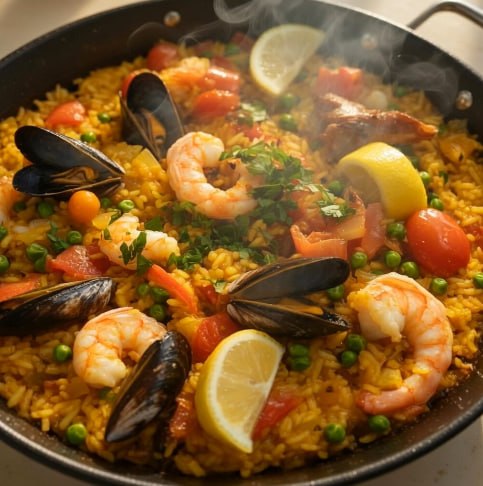
- Incorporate the Seafood and Vegetables: Once the rice is cooked to al dente, stir in the cooked mussels, shrimp, cherry tomatoes, and frozen peas. Cook for another 2-3 minutes, until the seafood is heated through and the peas are tender.
- Finish with Butter and Cheese: Remove the pot from the heat and stir in the butter and grated Parmesan cheese. This will add richness and creaminess to the risotto.
- Garnish and Serve: Garnish the risotto with fresh parsley and the reserved mussels. Serve immediately with lemon wedges and extra Parmesan cheese on the side.
Cooking Tips and Variations
- Saffron Quality: Use high-quality saffron threads for the best flavor and color. Look for saffron that is deep red in color and has a strong aroma.
- Broth Temperature: Keep the broth warm throughout the cooking process. This will help to maintain a consistent cooking temperature and prevent the rice from becoming gummy.
- Rice Stirring: Constant stirring is essential for creating the creamy texture of risotto. Don’t be tempted to walk away from the pot.
- Seafood Variations: Feel free to substitute or add other seafood, such as clams, scallops, or calamari. Adjust the cooking time accordingly.
- Vegetarian Variation: For a vegetarian version, use vegetable broth instead of seafood broth and omit the seafood. You can add other vegetables, such as mushrooms, asparagus, or zucchini.
- Wine Pairing: A crisp, dry white wine, such as Sauvignon Blanc or Pinot Grigio, pairs well with Seafood & Saffron Risotto.
- Side Dish Suggestions: A simple green salad or grilled vegetables make a great accompaniment to this dish.
- Lemon Zest: Add lemon zest with lemon juice for an extra layer of citrusy flavor.
- Spice it up: Add a pinch of red pepper flakes for a little heat.
Storage and Reheating
Leftover Seafood & Saffron Risotto can be stored in an airtight container in the refrigerator for up to 2 days. However, the texture of the risotto may change slightly upon reheating.
To reheat, add a splash of broth or water to the risotto and heat gently in a saucepan over low heat, stirring frequently, until heated through. You can also reheat it in the microwave, but be sure to stir it occasionally to prevent it from drying out. The seafood may become slightly tougher upon reheating, so it’s best to enjoy the risotto fresh.
Frequently Asked Questions
Can I use a different type of rice?
While Arborio rice is the most commonly used rice for risotto, you can also use Carnaroli rice. Carnaroli rice has a higher starch content than Arborio, which results in an even creamier risotto. However, it is also more expensive and may be harder to find.
Can I make risotto ahead of time?
Risotto is best served immediately after cooking, as it tends to lose its creamy texture as it sits. However, you can prepare the base of the risotto (up to the point of adding the seafood) ahead of time and then finish cooking it just before serving. To do this, cook the rice until it is slightly undercooked, then spread it out on a baking sheet to cool quickly. Store it in an airtight container in the refrigerator. When ready to serve, reheat the rice with some broth and continue cooking until it is al dente, then add the seafood and finish as directed.
How do I know when the risotto is done?
The risotto is done when the rice is al dente – tender but still slightly firm to the bite. It should also have a creamy, almost soupy consistency. If the risotto is too dry, add a little more broth. If it is too wet, continue cooking it over low heat, stirring constantly, until the excess liquid has evaporated.
Why is my risotto gummy?
Risotto can become gummy if you add too much broth at once or if you don’t stir it frequently enough. It’s important to add the broth gradually, one cup at a time, and to stir constantly to release the starches from the rice. Also, avoid rinsing the rice before cooking, as the starch is crucial for creating the creamy texture.