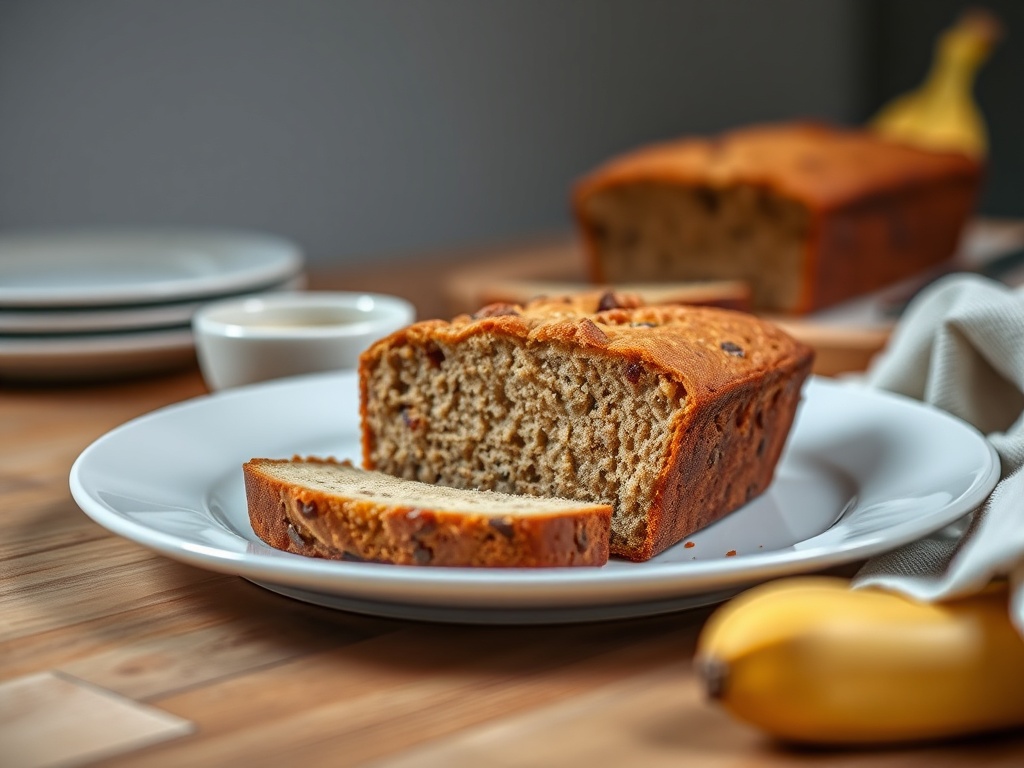
Introduction
Ah, the humble banana bread. For many, it’s the comforting embrace of home, the perfect companion to a morning coffee, or a delightful treat any time of day. But let’s be honest, how many times have you stared at those browning bananas on your counter, full of good intentions, only to end up with a loaf that’s, well, a little… dry? The quest for the perfect banana bread, one that’s not just palatable but truly *super moist* and bursting with flavor, is a culinary journey many embark on, often with mixed results.
The problem with many standard banana bread recipes is their tendency to yield a crumbly, dense, or even chalky texture. It’s a common baking woe that can turn a hopeful kitchen endeavor into a slightly disappointing outcome. But fear not, fellow bakers! This isn’t just another banana bread recipe; this is a masterclass in achieving unparalleled moisture and tenderness. We’re diving deep into the “why” behind every ingredient and technique, promising you a loaf so incredibly moist, it practically melts in your mouth, leaving you wondering why you ever settled for anything less.
What makes *this* recipe different? We’re unlocking the secrets to moisture retention, leveraging the natural power of overripe bananas, incorporating strategic fats and dairy, and employing a gentle mixing technique that safeguards against dryness. Get ready to transform those forgotten overripe bananas into a golden-brown masterpiece that will become your go-to recipe for the ultimate super moist banana bread, every single time.
Nutritional Information
Per serving (approximate values):
- Calories: 320
- Protein: 4g
- Carbohydrates: 45g
- Fat: 15g
- Fiber: 2g
- Sodium: 280mg
Ingredients
- 3 large, very ripe bananas (the browner, the better), mashed
- 1/2 cup (113g) unsalted butter, melted and slightly cooled
- 1/4 cup (60ml) neutral oil (like canola or vegetable oil)
- 1/2 cup (100g) granulated sugar
- 1/2 cup (100g) packed light brown sugar
- 1 large egg, at room temperature
- 1/4 cup (60g) full-fat sour cream or plain Greek yogurt
- 1 teaspoon vanilla extract
- 1 1/2 cups (180g) all-purpose flour
- 1 teaspoon baking soda
- 1/2 teaspoon baking powder
- 1/2 teaspoon ground cinnamon (optional)
- 1/4 teaspoon salt
- 1 cup (170g) chocolate chips or chopped nuts (optional add-in)
Instructions
- Preheat your oven to 350°F (175°C). Grease and flour a 9×5-inch loaf pan or line with parchment paper, leaving an overhang on the long sides for easy removal.
- In a large bowl, mash the very ripe bananas thoroughly with a fork or potato masher until mostly smooth with a few small lumps remaining. The browner the bananas, the sweeter and more flavorful your bread will be.
- Add the melted butter and neutral oil to the mashed bananas, stirring until well combined.
- Stir in the granulated sugar and brown sugar until fully incorporated. The brown sugar, with its molasses content, is hygroscopic, meaning it attracts and retains moisture, directly contributing to the bread’s moist texture and adding a lovely caramel-like flavor.
- Whisk in the egg, sour cream (or yogurt), and vanilla extract until the mixture is smooth and well combined. The acidity in the sour cream reacts with baking soda, creating more lift and a tender crumb, while its fat content adds significant moisture.
- In a separate medium bowl, whisk together the all-purpose flour, baking soda, baking powder, cinnamon (if using), and salt. Ensure there are no lumps.
- Add the dry ingredients to the wet ingredients. Using a spatula, mix *just until combined*. It’s crucial not to overmix; overmixing develops gluten, leading to a tough, dry, and chewy texture. A few small lumps in the batter are perfectly fine and even desirable.
- If using, gently fold in the chocolate chips or chopped nuts.
- Pour the batter into the prepared loaf pan, spreading evenly.
- Bake for 55-65 minutes, or until a wooden skewer or toothpick inserted into the center comes out clean or with only a few moist crumbs attached. If the top starts to brown too quickly, you can loosely tent it with aluminum foil during the last 15-20 minutes of baking.
- Allow the banana bread to cool in the pan for 10-15 minutes. This cooling period helps the bread firm up and prevents it from crumbling when removed.
- Carefully lift the bread out of the pan using the parchment paper overhang or invert onto a wire rack. Let it cool completely on the wire rack before slicing. Cooling completely allows the internal structure to set and traps moisture within, preventing a soggy bottom.
Cooking Tips and Variations
For the ultimate super moist banana bread, start with bananas that are truly overripe – we’re talking about bananas with significant brown or even black spots on their peels. As bananas ripen, their starches convert to sugars, making them sweeter, and they become softer with more moisture, both contributing significantly to the bread’s tenderness and flavor. Don’t be afraid to use bananas that look “too far gone” for eating fresh; they’re perfect for this recipe! When mashing, aim for a mostly smooth consistency with a few small lumps; this ensures even distribution of flavor and moisture throughout the loaf.
The combination of melted butter and neutral oil is a secret weapon for moisture. Butter provides rich, delicious flavor, while oil, being 100% fat, contributes more moisture than butter (which is about 80% fat) and helps the bread stay moist for longer. This blend gives you the best of both worlds. The addition of full-fat sour cream or Greek yogurt is also key; the acidity reacts with the baking soda to create a tender crumb and lift, while the fat content adds incredible richness and moisture. Always ensure your egg and dairy are at room temperature for better emulsification and a smoother batter.
When it comes to mixing, remember the “gentle hand” approach. Combine your wet and dry ingredients *just until they are barely moistened*. Overmixing is the enemy of moist banana bread; it develops gluten, which can lead to a tough and chewy texture. A few streaks of flour are perfectly acceptable. For variations, feel free to get creative! Add 1 cup of chocolate chips, chopped walnuts, pecans, or even shredded coconut for extra texture and flavor. A teaspoon of nutmeg or a pinch of allspice can enhance the warm spice profile. For a simple glaze, whisk together powdered sugar with a little milk or lemon juice and drizzle over the cooled loaf. You can also sprinkle a streusel topping (butter, flour, sugar, cinnamon) over the batter before baking for a delightful crunchy crust. For a slightly healthier twist, you can substitute up to half of the all-purpose flour with whole wheat pastry flour, though this might slightly alter the texture. Reducing sugar can also be done, but be aware it may impact moisture retention slightly.
Storage and Reheating
Proper storage is essential for keeping your super moist banana bread fresh and delicious. At room temperature, wrap the cooled loaf tightly in plastic wrap or aluminum foil, or store it in an airtight container. It will stay wonderfully moist for up to 3-4 days. Placing a paper towel at the bottom of the container can help absorb any excess moisture, preventing the bottom from becoming soggy. Avoid refrigerating banana bread unless you live in a very warm, humid climate, as the refrigerator can actually dry out baked goods and make them stale faster due to starch retrogradation.
For longer-term storage, banana bread freezes beautifully. Once completely cooled, wrap the entire loaf or individual slices tightly in plastic wrap, then an additional layer of aluminum foil. Place in a freezer-safe bag or container. It can be stored in the freezer for up to 3 months. To thaw a whole loaf, simply unwrap it and let it come to room temperature on the counter for several hours or overnight. Individual slices can be thawed at room temperature for about 30 minutes, or gently warmed in a toaster oven or microwave. Reheating can be done in a microwave for 15-30 seconds per slice (depending on thickness) for a warm, soft texture, or in a toaster oven at 300°F (150°C) for 5-10 minutes until warmed through. This will revive the aromas and give it a freshly baked feel.
Frequently Asked Questions
Why are overripe bananas so important for moist banana bread?
Overripe bananas are crucial because as bananas ripen, their starches convert to natural sugars, making them incredibly sweet and flavorful. They also become much softer and release more moisture, which directly contributes to the tenderness and moistness of the banana bread. Using firm, yellow bananas will result in a less flavorful and drier loaf.
Can I substitute butter for oil, or vice versa, completely?
While you can, it’s not recommended for achieving the “super moist” texture of this recipe. Oil contributes more inherent moisture and keeps the bread moist longer, while butter offers superior flavor. This recipe uses a combination to get the best of both worlds. Substituting all butter will make the bread flavorful but potentially denser and drier over time, while all oil might lack some depth of flavor.
My banana bread always comes out dry. What am I doing wrong?
The most common culprits for dry banana bread are overmixing the batter, which develops gluten and creates a tough texture, and overbaking. Ensure you mix the wet and dry ingredients only until just combined, even if there are a few lumps. Also, use a toothpick test for doneness; remove the bread from the oven as soon as the toothpick comes out clean or with a few moist crumbs, rather than waiting for it to be completely dry.
How can I tell if my banana bread is fully baked without overbaking?
The best way to check for doneness is to insert a wooden skewer or toothpick into the very center of the loaf. If it comes out clean or with only a few moist crumbs attached, your bread is ready. If it comes out with wet batter, continue baking for another 5-10 minutes and re-test. Also, the top should be golden brown and spring back slightly when gently pressed.
Conclusion
And there you have it – the definitive guide to mastering super moist banana bread. We’ve peeled back the layers, revealing the scientific secrets behind each ingredient and technique, transforming what was once a common kitchen challenge into a guaranteed success. The key, as you now know, lies in embracing those beautifully overripe bananas, strategically combining fats, leveraging the power of dairy and sugars, and most importantly, treating your batter with a gentle hand. No more dry, crumbly disappointments; only tender, flavorful slices await.
Now, it’s your turn to put these newfound baking superpowers to the test. Gather those browning bananas, preheat your oven, and embark on your own journey to banana bread perfection. We encourage you to try this recipe, savor every incredibly moist bite, and perhaps even experiment with your favorite add-ins. Share your results, your triumphs, and your deliciously golden loaves with us!
This isn’t just about baking a loaf of bread; it’s about crafting an experience, a moment of pure comfort and indulgence. With this recipe, you’re not just making banana bread; you’re perfecting the ultimate comfort food, one super moist, flavorful slice at a time. Enjoy the sweet reward!