The Ultimate Lemon Crumb Bars: Easy, Delicious, and Irresistible
Introduction
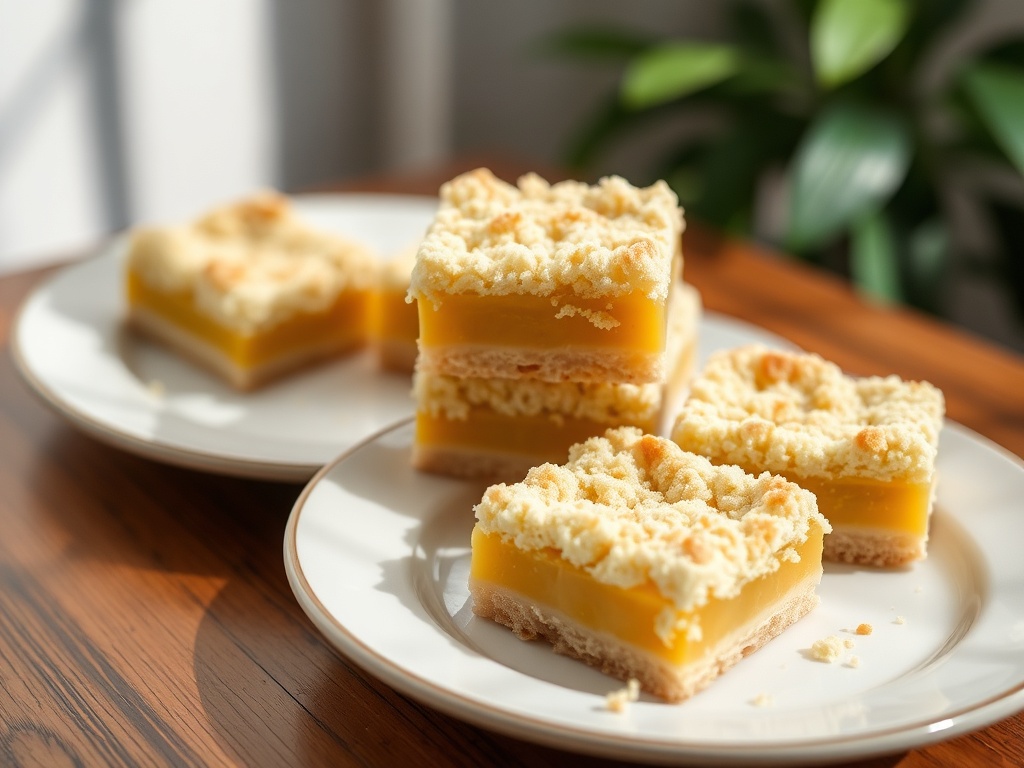
Imagine a burst of sunshine on your palate, a perfect harmony of sweet and tart, all wrapped up in a comforting, buttery package. That’s exactly what you get with these incredible Lemon Crumb Bars. From the moment the zesty aroma fills your kitchen, you’ll know you’re in for a treat. These bars boast a delightful trifecta of textures and flavors: a sturdy, golden shortbread crust, a luscious and vibrant lemon filling that truly sings, and an irresistible crumbly topping that adds just the right amount of extra sweetness and crunch. They’re not just a dessert; they’re a mood brightener, a crowd-pleaser, and a testament to the simple joy of homemade baking.
What makes these lemon crumb bars so utterly irresistible? It’s their impeccable balance. The tartness of fresh lemon is perfectly counteracted by the sweetness of the sugar, creating a vibrant flavor profile that’s never cloying. They’re surprisingly easy to make, making them an ideal project for bakers of all skill levels, yet they deliver a gourmet experience that will impress anyone who takes a bite. Whether you’re looking for a refreshing spring dessert, a delightful addition to a summer picnic, or simply a sweet pick-me-up on a grey day, these bars are guaranteed to hit the spot. Get ready to fall in love with your new favorite go-to recipe!
Nutritional Information
Per serving (approximate values):
- Calories: 310
- Protein: 4g
- Carbohydrates: 45g
- Fat: 14g
- Fiber: 1g
- Sodium: 120mg
Ingredients
For the Shortbread Crust and Crumb Topping:
- 2 ½ cups all-purpose flour, divided
- ¾ cup granulated sugar, divided
- 1 cup (2 sticks) unsalted butter, very cold and cut into cubes, divided
- ½ teaspoon salt
- 1 teaspoon lemon zest (from about 1 medium lemon)
For the Lemon Filling:
- 4 large eggs
- 1 ½ cups granulated sugar
- ⅓ cup all-purpose flour
- ½ teaspoon baking powder
- ½ cup fresh lemon juice (from 2-3 lemons)
- 2 tablespoons lemon zest (from 1-2 lemons)
Optional Garnish:
- Powdered sugar, for dusting
Instructions
- Prepare for Baking: Preheat your oven to 350°F (175°C). Line a 9×13-inch baking pan with parchment paper, leaving an overhang on the sides to easily lift the bars out later. Lightly grease the parchment paper.
- Make the Crust/Crumb Mixture: In a large bowl, combine 2 cups of the all-purpose flour, ½ cup of the granulated sugar, and ½ teaspoon of salt. Add 1 stick (½ cup) of the very cold, cubed butter. Using a pastry blender, your fingertips, or a food processor, cut the butter into the dry ingredients until the mixture resembles coarse crumbs.
- Form the Crust: Reserve 1 cup of this mixture for the crumb topping. Press the remaining mixture evenly and firmly into the bottom of the prepared 9×13-inch pan. This will be your shortbread crust.
- Par-Bake the Crust: Bake the crust in the preheated oven for 15-18 minutes, or until it’s lightly golden around the edges. While the crust is baking, prepare the lemon filling.
- Prepare the Crumb Topping: To the reserved 1 cup of crust mixture, add the remaining ½ cup all-purpose flour, ¼ cup granulated sugar, and 1 teaspoon lemon zest. Cut in the remaining 1 stick (½ cup) of very cold, cubed butter using a pastry blender or your fingertips until well combined and crumbly. Set aside.
- Make the Lemon Filling: In a separate large bowl, whisk together the 4 large eggs, 1 ½ cups granulated sugar, ⅓ cup all-purpose flour, and ½ teaspoon baking powder until smooth and well combined. Stir in the ½ cup fresh lemon juice and 2 tablespoons lemon zest. Ensure there are no lumps.
- Assemble the Bars: Once the crust is par-baked, carefully pour the lemon filling evenly over the hot crust.
- Add the Crumb Topping: Evenly sprinkle the prepared crumb topping mixture over the lemon filling layer.
- Bake the Bars: Return the pan to the oven and bake for an additional 25-35 minutes, or until the filling is set (it should only jiggle slightly in the center when gently shaken) and the crumb topping is golden brown.
- Cool Completely: This step is CRUCIAL! Remove the bars from the oven and place the pan on a wire rack to cool completely at room temperature for at least 2-3 hours. For the cleanest cuts and a perfectly set filling, you can even refrigerate them for another hour or two after they’ve cooled to room temperature.
- Cut and Serve: Once completely cooled and set, use the parchment paper overhang to lift the bars out of the pan. Place them on a cutting board and slice into squares or rectangles. Dust with powdered sugar just before serving, if desired.
Cooking Tips and Variations
Achieving perfect lemon crumb bars is all about balancing flavors and textures, and a few pro tips can make all the difference. First and foremost, always use fresh lemon juice and zest. This is non-negotiable for vibrant, authentic lemon flavor. Bottled lemon juice simply won’t deliver the same bright, zesty punch. When zesting, use a microplane and only remove the yellow part of the peel, avoiding the bitter white pith underneath. For the best results, ensure your eggs are at room temperature before mixing them into the filling; they incorporate more smoothly and create a more uniform texture. Similarly, for the crust and crumb, use very cold butter. This is key to creating that tender, flaky shortbread texture and preventing a tough crust. The cold butter creates pockets of steam during baking, resulting in a lighter, crumblier consistency. Don’t be tempted to overmix the crust or crumb topping, as this can develop the gluten in the flour and lead to a less tender result.
One of the most critical steps in this recipe is cooling the bars completely. The lemon filling needs ample time to set as it cools, and attempting to cut them while warm will result in a gooey, messy disaster. Patience is truly a virtue here! For exceptionally clean slices, chill the cooled bars in the refrigerator for at least an hour before cutting. Par-baking the crust is also essential; this brief initial bake helps prevent a soggy bottom, especially with a wet filling like lemon curd. Keep an eye on your baking time; don’t overbake the bars, as this can lead to a rubbery filling. The center should still have a slight jiggle when gently shaken. Always use the specified pan size; a different size can alter baking times and thickness, affecting the final texture. Lining your pan with parchment paper is also a lifesaver for easy removal and cleanup.
These lemon crumb bars are wonderfully versatile, lending themselves to various delicious twists. For a different citrus experience, try swapping out the lemon for lime or orange juice and zest. Lime crumb bars offer a sharper, more exotic tang, while orange can provide a sweeter, mellower flavor. You can also introduce subtle spice notes by adding a pinch of cardamom or ground ginger to the crust or crumb mixture. For an extra layer of texture and richness, incorporate chopped nuts like almonds, pecans, or walnuts into the crumb topping. If you’re a fan of coconut, adding shredded coconut to the crumb mixture creates delightful coconut crumb bars. For a fruity twist, swirl a tablespoon or two of your favorite berry jam (raspberry or blueberry works wonderfully) into the lemon filling just before adding the crumb topping. This adds a beautiful color contrast and an extra layer of fruitiness. When serving, a simple dusting of powdered sugar is classic, but you could also add a dollop of fresh whipped cream, crème fraîche, or even a small scoop of vanilla bean ice cream for an indulgent treat. These bars are perfect alongside a cup of tea or coffee, make a fantastic contribution to potlucks and bake sales, and are always a welcome addition to any dessert platter.
Storage and Reheating
Proper storage is key to keeping your lemon crumb bars fresh and delicious. Once completely cooled, store them in an airtight container at room temperature for up to 2-3 days. If your kitchen is particularly warm, or if you want to extend their freshness, you can store them in the refrigerator for up to 5-7 days. Simply place them in an airtight container, separating layers with parchment paper if stacking. Chilling the bars can make the filling firmer, which some people prefer, and it also makes them easier to handle. While these bars are generally enjoyed chilled or at room temperature, there’s typically no need to “reheat” them in the traditional sense. However, if you prefer them slightly warm, you can gently microwave a single bar for 10-15 seconds. Be careful not to overheat, as this can cause the filling to become too soft and runny. They are truly best enjoyed cool, allowing the flavors to fully meld and the texture to remain perfectly set.
Lemon crumb bars also freeze beautifully, making them an excellent make-ahead dessert. To freeze, ensure the bars are completely cooled and sliced into individual portions. Arrange them in a single layer on a baking sheet and freeze until solid (this prevents them from sticking together). Once frozen, transfer the individual bars to an airtight, freezer-safe container or a heavy-duty freezer bag, separating layers with parchment paper. They can be stored in the freezer for up to 2-3 months. When you’re ready to enjoy, simply remove the desired number of bars from the freezer and let them thaw at room temperature for about 30-60 minutes, or in the refrigerator overnight. Freezing can sometimes slightly alter the texture of the crumb topping, making it a little less crisp, but the overall flavor remains fantastic.
Frequently Asked Questions
How can I prevent my lemon filling from being too runny?
A runny lemon filling is often due to underbaking or an incorrect ratio of ingredients. Ensure you bake the bars until the filling is set, with only a slight jiggle in the very center when gently shaken. The small amount of flour in the filling is crucial for thickening, so make sure you’ve measured it accurately. Also, avoid opening the oven door too frequently during baking, as temperature fluctuations can hinder proper setting. If your filling consistently comes out too runny, you can try adding an extra tablespoon of flour to the filling mixture next time.
Why is my shortbread crust tough or hard?
A tough crust is usually a sign of overworking the dough or using butter that isn’t cold enough. When making the crust, cut the cold butter into the flour and sugar mixture quickly, and stop mixing as soon as coarse crumbs form. Overmixing develops the gluten in the flour, which leads to a tough texture. Also, ensure your butter is very cold; this helps create a tender, flaky crust. Press the dough firmly but gently into the pan, avoiding excessive handling.
Can I use bottled lemon juice instead of fresh?
While you technically *can* use bottled lemon juice, it is highly discouraged for these bars. Fresh lemon juice and zest are absolutely essential for the vibrant, bright, and authentic lemon flavor that makes these bars truly shine. Bottled lemon juice often contains preservatives and lacks the natural acidity and aromatic oils found in fresh lemons, resulting in a duller, less nuanced flavor. For the best possible lemon crumb bars, always opt for fresh lemons.
How do I get clean cuts when slicing the bars?
The key to perfectly clean cuts is patience and proper cooling. Ensure the bars are completely cooled to room temperature, and ideally, chilled in the refrigerator for at least an hour before slicing. This allows the filling to firm up completely. When cutting, use a sharp, non-serrated knife. Wipe the blade clean with a damp cloth between each cut to prevent stickiness and ensure neat edges. Lifting the bars out of the pan using the parchment paper overhang before cutting also makes the process much easier.