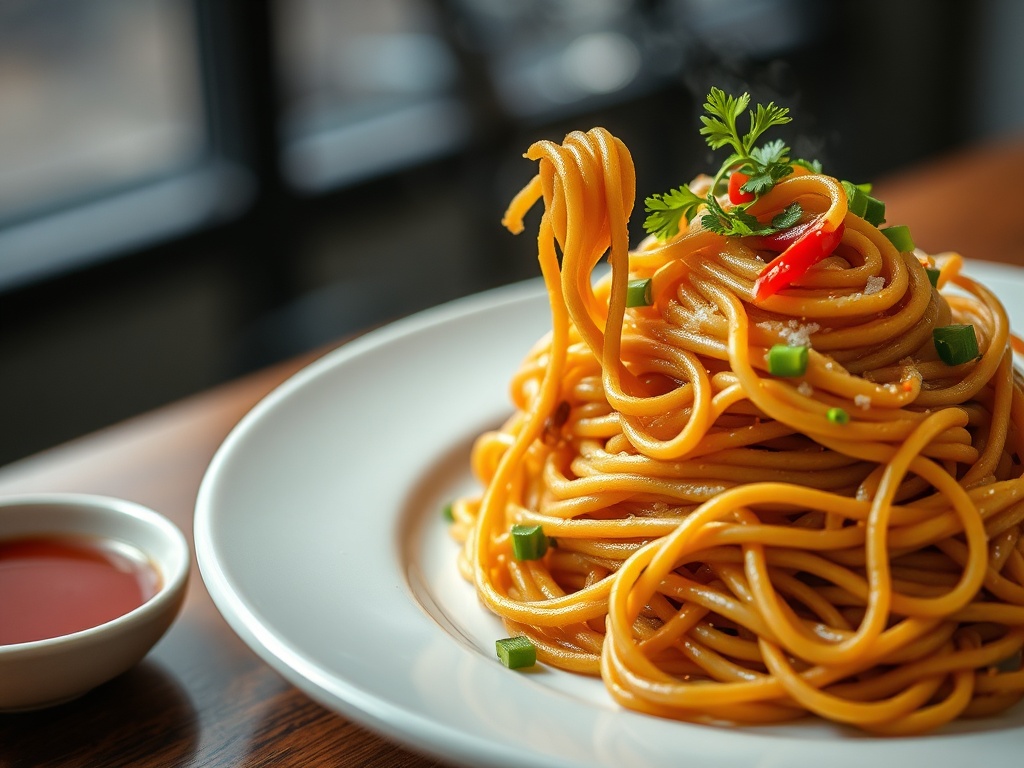
The sizzle of the grill, the smoky aroma dancing through the air, the mesmerizing dance of the chef’s spatulas – there’s something undeniably captivating about the hibachi experience. While a full-blown hibachi steakhouse might be a special occasion, you can capture that same vibrant energy and incredible flavor right in your own kitchen with these irresistible Hibachi Noodles. Forget bland pasta or takeout cravings; these noodles are a symphony of savory, garlicky, and subtly sweet notes that will transport your taste buds straight to your favorite Japanese steakhouse, all from the comfort of your home.
What makes these Hibachi Noodles so special? It’s their perfect balance of flavors and their surprising ease of preparation. We’re talking about a dish that delivers serious umami, a rich garlicky punch, and a satisfying chew, all coming together in minutes. They’re incredibly versatile, serving as a stellar side dish to grilled chicken, steak, or shrimp, or even holding their own as a light and satisfying main course. This isn’t just a recipe; it’s an invitation to elevate your weeknight meals with a dish that’s both comforting and exciting, proving that restaurant-quality flavor is well within your reach.
This recipe is designed to bring you authentic-tasting hibachi noodles without needing any specialized equipment. We’ll focus on the essential ingredients and techniques that unlock that signature savory, slightly sweet, and intensely garlicky flavor profile. Get ready to discover how simple it is to whip up a batch of these glorious noodles, ensuring a delicious and satisfying meal that will have everyone asking for seconds. The magic truly lies in a few key components: plenty of fresh garlic, rich butter, and a perfectly balanced sauce that clings to every strand of noodle. Let’s get cooking!
Nutritional Information
Per serving (approximate values):
- Calories: 450
- Protein: 15g
- Carbohydrates: 60g
- Fat: 18g
- Fiber: 3g
- Sodium: 950mg
Ingredients
- 1 pound fresh or dried yakisoba or ramen noodles (without seasoning packets)
- 2 tablespoons neutral cooking oil (like canola or vegetable)
- 4 tablespoons unsalted butter, divided
- 6-8 cloves garlic, finely minced (about 2 tablespoons)
- 1 tablespoon fresh ginger, grated (optional)
- 3 tablespoons low-sodium soy sauce
- 2 tablespoons oyster sauce (or vegetarian oyster sauce)
- 1 tablespoon mirin
- 1 teaspoon granulated sugar
- 1/2 teaspoon black pepper
- 1/2 teaspoon red pepper flakes (optional, for heat)
- 1 teaspoon toasted sesame oil, for finishing
- 2 green onions, thinly sliced, for garnish
Instructions
- Prepare the Noodles: Bring a large pot of salted water to a rolling boil. Add the yakisoba or ramen noodles and cook according to package directions until al dente. This usually takes 2-4 minutes for fresh noodles and 5-7 minutes for dried. Once cooked, drain the noodles thoroughly in a colander. Immediately rinse them under cold water to stop the cooking process and prevent them from sticking together. Toss the rinsed noodles with about 1 teaspoon of neutral cooking oil to keep them from clumping while you prepare the other ingredients. Set aside.
- Whisk the Sauce: In a small bowl, combine the low-sodium soy sauce, oyster sauce, mirin, granulated sugar, black pepper, and red pepper flakes (if using). Whisk until the sugar is fully dissolved and all ingredients are well combined. Set the sauce aside.
- Sauté Aromatics: Heat 2 tablespoons of neutral cooking oil and 2 tablespoons of unsalted butter in a large skillet, wok, or cast-iron pan over medium-high heat. Once the butter is melted and sizzling, add the finely minced garlic and the grated ginger (if using). Sauté for 30-60 seconds, stirring constantly, until the garlic is fragrant and lightly golden. Be careful not to burn the garlic, as burnt garlic will taste bitter.
- Add Noodles and Sauce: Increase the heat to high. Add the prepared and drained noodles directly into the skillet with the aromatics. Pour the whisked sauce mixture evenly over the noodles.
- Toss and Stir-Fry: Using tongs or two spatulas, vigorously toss and stir-fry the noodles for 2-4 minutes. Ensure that every strand of noodle is thoroughly coated with the sauce and that the noodles are heated through. The sauce should thicken slightly and cling beautifully to the noodles, creating a glossy finish.
- Finish with Butter and Sesame Oil: Remove the skillet from the heat. Add the remaining 2 tablespoons of unsalted butter and the toasted sesame oil. Toss the noodles once more until the butter is melted and evenly distributed, adding an extra layer of richness and flavor.
- Garnish and Serve: Transfer the Hibachi Noodles to serving plates. Garnish generously with thinly sliced green onions. Serve immediately as a delicious side dish or a light main course.
Cooking Tips and Variations
For the most authentic hibachi experience, mise en place is crucial. Have all your ingredients prepped and measured before you even turn on the stove. Stir-frying is a fast process, and you won’t have time to chop garlic or measure soy sauce once the heat is on. When cooking the noodles, ensure they are just al dente, as they will continue to cook slightly in the stir-fry. Rinsing them after boiling is key to removing excess starch and preventing them from sticking together, which allows them to absorb the sauce better.
High heat is fundamental to stir-frying. Don’t be afraid to crank up the heat on your stove; this helps achieve that slightly charred, wok-hei flavor. If your pan isn’t large enough, or if you’re making a double batch, cook the noodles in two smaller batches rather than overcrowding the pan. Overcrowding lowers the pan’s temperature, leading to steamed rather than stir-fried noodles, making them soggy instead of nicely coated and chewy. While a wok is ideal, a large non-stick skillet or a cast-iron pan works perfectly well for this recipe.
To make it a complete meal, these noodles are incredibly versatile. You can add cooked protein directly to the pan after the garlic and before the noodles. Try sliced chicken breast, shrimp, thinly sliced beef strips, or even cubed firm tofu. Cook the protein until just done, then remove it from the pan and set it aside. Proceed with the garlic and noodles, then add the cooked protein back in during the final toss. For added vegetables, consider shredded carrots, thinly sliced bell peppers, snap peas, or mushrooms. These can be sautéed with the garlic for a minute or two before adding the noodles and sauce.
For those who love a bit of a kick, a dash of sriracha or chili garlic sauce stirred in at the end, or served on the side, can elevate the heat. A sprinkle of toasted sesame seeds offers a lovely textural contrast and an extra nutty flavor. If you can’t find mirin, you can substitute it with a mix of 1 tablespoon of rice vinegar and 1 teaspoon of sugar, though the flavor won’t be quite as complex. However, mirin is widely available and truly makes a difference. Always taste and adjust the seasoning at the end; you might want a tiny pinch more salt (from soy sauce) or a touch more sugar to balance the flavors to your preference.
Storage and Reheating
Once cooled, store any leftover Hibachi Noodles in an airtight container in the refrigerator. They will keep well for up to 3-4 days. It’s important to store them promptly to maintain freshness and food safety. The noodles are best enjoyed fresh, but they still make for a delicious next-day meal.
For reheating, the stovetop method is highly recommended to best preserve the noodle’s texture and flavor. Heat a non-stick skillet over medium heat. Add a tablespoon or two of water or chicken broth to the pan. This moisture will help loosen the noodles and prevent them from drying out or sticking. Add the cold noodles and toss gently, stir-frying for 3-5 minutes, until they are heated through and regain some of their original texture. You might want to add another tiny pat of butter for extra richness.
You can also reheat Hibachi Noodles in the microwave, though they may not retain the same chewy texture as stovetop reheating. Place the noodles in a microwave-safe dish. Add a splash of water or broth (about 1-2 tablespoons) and cover the dish with a lid or microwave-safe plastic wrap, leaving a small vent. Heat on high for 1-2 minutes, stirring halfway through, until heated thoroughly. Be careful not to overheat, as this can make the noodles rubbery. While still good, the fresh, slightly crispy parts you get from stovetop reheating are often lost in the microwave.
Frequently Asked Questions
What kind of noodles are best for Hibachi Noodles?
The best noodles for this recipe are fresh or dried yakisoba noodles or ramen noodles (without their seasoning packets). These types of noodles have the right chewiness and absorb the sauce beautifully. You can often find fresh yakisoba noodles in the refrigerated section of Asian grocery stores or even larger supermarkets. Lo mein noodles are another excellent alternative. Avoid very thin vermicelli or delicate rice noodles, as they tend to break apart and don’t hold up as well to the vigorous stir-frying.
Can I make these Hibachi Noodles vegetarian or vegan?
Absolutely! To make these noodles vegetarian, simply substitute the oyster sauce with a vegetarian oyster sauce, which is typically mushroom-based and widely available in Asian markets or online. To make them fully vegan, ensure your butter substitute is plant-based, use a vegetarian oyster sauce, and confirm your noodles don’t contain egg (most fresh ramen and yakisoba noodles are egg-free, but check the ingredients). The rest of the ingredients are naturally plant-based.
What’s the difference between mirin and rice vinegar, and can I substitute them?
Mirin is a type of sweet Japanese rice wine used for cooking, adding a unique sweetness, glaze, and depth of flavor to dishes. Rice vinegar, on the other hand, is acidic and tart. While you can substitute mirin with a blend of rice vinegar and a pinch of sugar (usually 1 tablespoon rice vinegar + 1 teaspoon sugar per tablespoon of mirin), the flavor profile will be slightly different. Mirin offers a more nuanced, less sharp sweetness that is characteristic of authentic Japanese cuisine. For the best results, it’s worth seeking out mirin.