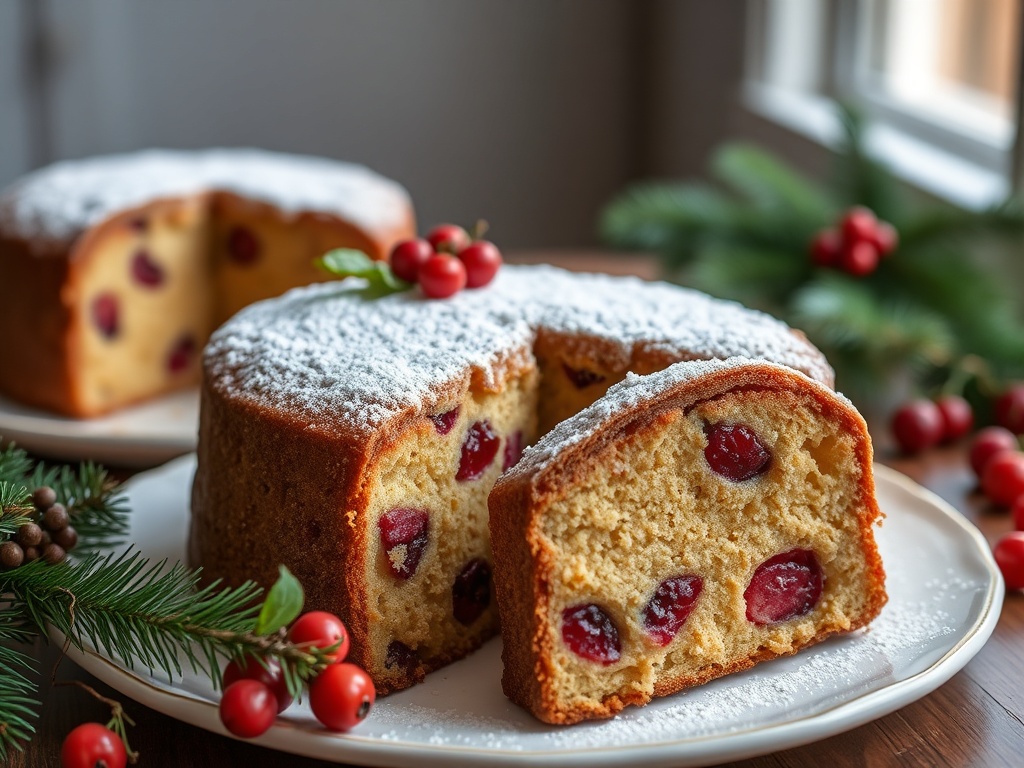
Introduction
The scent of warm spices, the rich embrace of dried fruits, and the promise of festive cheer – nothing embodies the spirit of Christmas quite like a beautifully crafted Christmas cake. This isn’t just any cake; it’s a culinary hug, a fragrant centerpiece that has graced holiday tables for centuries. Our “Festive Fruit-Loaded Christmas Cake” is a celebration of tradition, a testament to the bounty of the season, and an invitation to immerse yourself in the joyful art of holiday baking. From the moment the fruits begin to soak, infusing with warming spirits, to the final, glorious slice, this cake promises an experience that is both deeply satisfying and wonderfully nostalgic.
Christmas cake holds a revered place in holiday lore, symbolizing abundance, good fortune, and the enduring warmth of family gatherings. While many recipes exist, ours distinguishes itself with an exceptionally generous fruit-to-batter ratio, ensuring every bite is bursting with plump, juicy goodness. We’ve curated a vibrant medley of dried fruits, each contributing its unique sweetness and texture, making this cake truly “fruit-loaded” in the most delightful sense. The magic of this particular recipe also lies in its ability to mature, deepening in flavor and moistness over weeks, a process lovingly known as “feeding” the cake with spirits – a tradition that elevates it from a simple dessert to a cherished heirloom.
Embracing the creation of this festive treat is more than just following a recipe; it’s engaging in a time-honored ritual that connects us to generations past. Imagine gifting a small, homemade Christmas cake, lovingly wrapped, or presenting a grand, decorated centerpiece to your family. The quality of your ingredients, especially your dried fruits, will shine through, transforming this cake into a truly exceptional holiday indulgence. So, gather your ingredients, prepare your kitchen, and allow yourself to be swept away by the joy of crafting a cake that truly captures the magic of Christmas in every rich, aromatic slice.
Nutritional Information
Per serving (approximate values):
- Calories: 450 kcal
- Protein: 5g
- Carbohydrates: 65g
- Fat: 18g
- Fiber: 4g
- Sodium: 120mg
Ingredients
- 900g (2 lbs) mixed dried fruit (currants, sultanas, raisins – golden & dark), glacé cherries (red & green, halved), candied orange/lemon peel (finely chopped), dried cranberries, dried apricots (chopped)
- 150ml (5 fl oz) brandy, dark rum, or strong cold tea (for soaking and feeding)
- 225g (8 oz) unsalted butter, softened
- 225g (8 oz) dark brown sugar, firmly packed
- 4 large eggs, at room temperature
- 2 tablespoons black treacle or molasses
- 225g (8 oz) all-purpose flour
- 1 teaspoon baking powder
- 2 teaspoons mixed spice (cinnamon, nutmeg, cloves, ginger)
- 1/2 teaspoon ground cinnamon
- 1/4 teaspoon ground nutmeg
- 50g (1.7 oz) ground almonds (almond meal)
- Zest of 1 orange
- Zest of 1 lemon
- For decorating (optional):
- 450g (1 lb) marzipan
- 300g (10 oz) royal icing sugar
- 1 egg white (for royal icing) or 3-4 tbsp water
- Fresh lemon juice (for royal icing)
- Additional brandy/rum for feeding
- Ribbons, fresh cranberries, rosemary sprigs, or candied nuts for garnish
Instructions
- Prepare the Fruit Medley (Pre-Bake Step): In a large mixing bowl, combine all the dried fruits (currants, sultanas, raisins, glacé cherries, candied peel, cranberries, apricots). Pour 100ml (3.5 fl oz) of the chosen liquid (brandy, rum, or strong tea) over the fruit, stirring well to ensure all fruit is coated. Cover the bowl tightly with plastic wrap and let it soak for at least 24 hours, or ideally, for 3-5 days in a cool, dark place. Stir the fruit occasionally during this soaking period to redistribute the liquid. This step plumps up the fruit and infuses it with flavor, preventing it from sinking during baking.
- Prepare Your Baking Tin: Grease an 8-inch (20cm) round springform or deep cake tin. Line the bottom and sides with a double layer of baking parchment. For a long, slow bake, it’s crucial to protect the sides of the cake. Create a collar by wrapping a double layer of brown paper or newspaper around the outside of the tin, tying it securely with string. This insulation helps prevent the edges from drying out or burning.
- Preheat Oven & Cream Butter and Sugar: Preheat your oven to 140°C (275°F) or Gas Mark 1. In a large mixing bowl, using a stand mixer with a paddle attachment or a handheld electric mixer, cream the softened unsalted butter and dark brown sugar together until the mixture is light, fluffy, and pale in color. This typically takes 5-7 minutes.
- Incorporate Eggs and Molasses: Beat in the eggs one at a time, ensuring each egg is fully incorporated before adding the next. If the mixture looks like it’s curdling, add a tablespoon of the measured flour to help stabilize it. Stir in the black treacle or molasses, and the orange and lemon zests until well combined.
- Combine Dry Ingredients: In a separate bowl, sift together the all-purpose flour, baking powder, mixed spice, ground cinnamon, and ground nutmeg. Stir in the ground almonds. This ensures even distribution of the leavening agents and spices.
- Fold Wet and Dry Ingredients with Fruit: Add about one-third of the sifted dry ingredients to the wet mixture, folding gently with a spatula until just combined. Then, add half of the soaked fruit (which should have absorbed most of the liquid). Alternate by adding another third of the dry ingredients, the remaining fruit, and finally the last third of the dry ingredients. Fold gently until everything is just incorporated. Be careful not to overmix, as this can develop the gluten in the flour and result in a tough cake.
- Fill and Bake the Cake: Spoon the cake batter into the prepared cake tin. Level the top with the back of a spoon or a spatula. Create a slight hollow in the center of the batter; this helps the cake rise evenly and prevents a domed top. Place the cake in the center of the preheated oven.
- Baking Time and Doneness Test: Bake for approximately 3 to 4 hours. The exact baking time will depend on your oven. After 3 hours, check the cake by inserting a skewer into the center. If it comes out clean, the cake is done. If not, continue baking and check every 15-20 minutes. If the top starts to brown too much, you can loosely cover it with a piece of aluminum foil.
- Cooling the Cake: Once baked, remove the cake from the oven and let it cool in the tin for about 30 minutes. This allows the cake to set and prevents it from breaking when removed. After 30 minutes, carefully remove the cake from the tin, peel off the baking parchment and paper collar, and transfer it to a wire rack to cool completely. This can take several hours.
- “Feeding” the Cake (Maturing Process): Once the cake is completely cool, use a skewer or toothpick to prick several holes all over the top of the cake. Drizzle 2-3 tablespoons of the remaining brandy, rum, or fresh brandy/rum over the top, allowing it to soak in. Wrap the cake tightly in a double layer of baking parchment, then in aluminum foil. Store it in an airtight container in a cool, dark place. “Feed” the cake weekly or bi-weekly with 1-2 tablespoons of spirits for several weeks (up to 2-3 months) leading up to Christmas. This process keeps the cake moist, develops its flavor, and acts as a natural preservative.
- Decorate (Closer to Christmas): About a week or two before Christmas, you can decorate your cake.
- Marzipan Layer: Lightly dust a clean surface with icing sugar. Roll out the marzipan into a circle large enough to cover the top and sides of your cake. Brush the top and sides of the cake with a thin layer of warmed apricot jam (strained) to help the marzipan adhere. Carefully lift the marzipan and drape it over the cake, smoothing it down with your hands or a marzipan smoother. Trim any excess.
- Royal Icing: In a clean, grease-free bowl, whisk the egg white (or add water for an egg-free version) until lightly frothy. Gradually beat in the royal icing sugar, adding a few drops of fresh lemon juice, until you achieve a thick, spreadable consistency. If it’s too thick, add a tiny bit more lemon juice; if too thin, add more icing sugar. Spread the royal icing over the marzipan-covered cake, creating peaks and swirls with the back of a spoon for a snowy effect. Let it set completely, ideally overnight.
- Simple Decoration: For a quicker decoration, simply dust with powdered sugar, arrange fresh cranberries and rosemary sprigs, or place candied nuts on top.
Cooking Tips and Variations
For the most flavorful and moist Christmas cake, the quality of your ingredients is paramount, especially the dried fruit. Opt for plump, good-quality fruits from a reputable source. If your dried fruits feel a bit hard, you can warm them slightly in a microwave for 30 seconds before soaking; this helps them absorb the liquid more effectively. When creaming butter and sugar, ensure both are at room temperature. This allows them to combine beautifully, incorporating air which contributes to a lighter texture. Similarly, room temperature eggs emulsify better into the mixture, preventing curdling. If you find your mixture does curdle after adding eggs, don’t panic! Simply add a tablespoon or two of the measured flour, and continue mixing; it usually resolves the issue. When folding in the dry ingredients and fruit, always use a gentle hand. Overmixing can develop the gluten in the flour, resulting in a tough, dense cake – the opposite of what we want for a rich Christmas cake.
Baking a Christmas cake is a long process, so maintaining a low, consistent oven temperature is key. An oven thermometer can be incredibly helpful to ensure your oven is truly at the set temperature. The double lining of baking parchment and the paper collar around the tin are not optional; they are crucial for protecting the cake’s edges from burning and drying out during the extended bake. Resist the urge to open the oven door frequently, especially during the first hour, as this can cause the cake to sink. If you notice the top browning too quickly, loosely tent it with aluminum foil. The “feeding” process is what truly transforms this cake. If you prefer an alcohol-free version, use strong cold tea, orange juice, or even apple juice for both soaking and feeding; the principle remains the same – to keep the cake moist and develop flavor.
This recipe is wonderfully adaptable to personal preferences. For a nuttier cake, fold in 100g (3.5 oz) of chopped walnuts, pecans, or blanched almonds along with the dried fruit. Boost the citrus notes by adding an extra teaspoon of orange or lemon zest, or even a tablespoon of finely chopped candied ginger for a spicy kick. If you love a deeper spice profile, feel free to increase the amounts of cinnamon, nutmeg, or add a pinch of ground cloves or allspice to the mixed spice blend. For a rich, chocolatey twist, melt 50g (1.7 oz) of good quality dark chocolate and fold it into the batter along with the fruit. If you’re catering to dietary needs, a gluten-free version can be made by substituting the all-purpose flour with a good quality gluten-free flour blend (you might need to adjust the liquid slightly, as GF flours can absorb differently). For individual servings or delightful gifts, bake the batter in smaller cake tins or even muffin tins (adjusting baking time accordingly). The beauty of this cake lies in its versatility and the joy of making it your own.
Storage and Reheating
Proper storage is crucial for Christmas cake, especially if you’re aiming for that perfectly matured flavor. After the cake has completely cooled and you’ve begun the “feeding” process, wrap it tightly in a double layer of baking parchment, then in a double layer of aluminum foil. This creates a good barrier against air and moisture loss. Store the wrapped cake in an airtight container in a cool, dark place, such as a pantry or a cool cupboard. Avoid refrigerating the cake unless your home is exceptionally warm, as refrigeration can dry it out. Stored correctly and fed regularly, this cake will keep beautifully for up to 3-4 months, with its flavor deepening and texture becoming more moist over time. It’s truly a cake that gets better with age.
Christmas cake is typically served at room temperature, so no reheating is usually necessary. When you’re ready to serve, simply remove it from its storage, unwrap it, and slice. If you’ve decorated it with royal icing, ensure the icing has fully set before slicing to avoid cracks. If you have any leftover slices, they can be stored in an airtight container at room temperature for up to a week, or wrapped individually and frozen for longer storage (up to 3 months). To thaw frozen slices, simply place them in the refrigerator overnight or at room temperature for a few hours until defrosted. Christmas cake is rarely served warm, as its rich, dense texture is best appreciated when cool, often accompanied by a hot beverage or a dollop of cream.
Frequently Asked Questions
How far in advance can I make this Christmas cake?
You can make this Christmas cake up to 3-4 months in advance. In fact, making it early and allowing it to mature (“feeding” it weekly or bi-weekly with spirits) is highly recommended. This process deepens the flavors, improves the texture, and enhances the overall richness, making for a truly exceptional holiday treat by Christmas.
What if I don’t want to use alcohol in my Christmas cake?
No problem at all! For an alcohol-free version, you can substitute the brandy or rum with strong, cold black tea, orange juice, or even apple juice for both soaking the fruit and “feeding” the cake. The principle of soaking and feeding remains the same – it adds moisture and flavor, just without the alcohol content. The cake will still be delicious and full of festive flavor.
Why did my fruit sink to the bottom of the cake?
Fruit sinking to the bottom of the cake is a common issue, often due to the fruit being too heavy or not properly prepared. Our recipe addresses this by emphasizing soaking the fruit; this plumps it up and makes it less dense, allowing it to suspend better in the batter. Also, ensuring your batter is not too thin and that you don’t overmix after adding the flour helps maintain its structure and prevents the fruit from sinking.
Can I freeze this Christmas cake?
Yes, Christmas cake freezes very well! Once the cake is completely cool and has been fed a few times (if using alcohol), wrap it tightly in a double layer of baking parchment, then in a double layer of aluminum foil, and place it in a freezer-safe bag or airtight container. It can be frozen for up to 6-12 months. Thaw it in the refrigerator overnight or at room temperature for a day before decorating and serving. You can also freeze individual slices for easier portion control.