Introduction
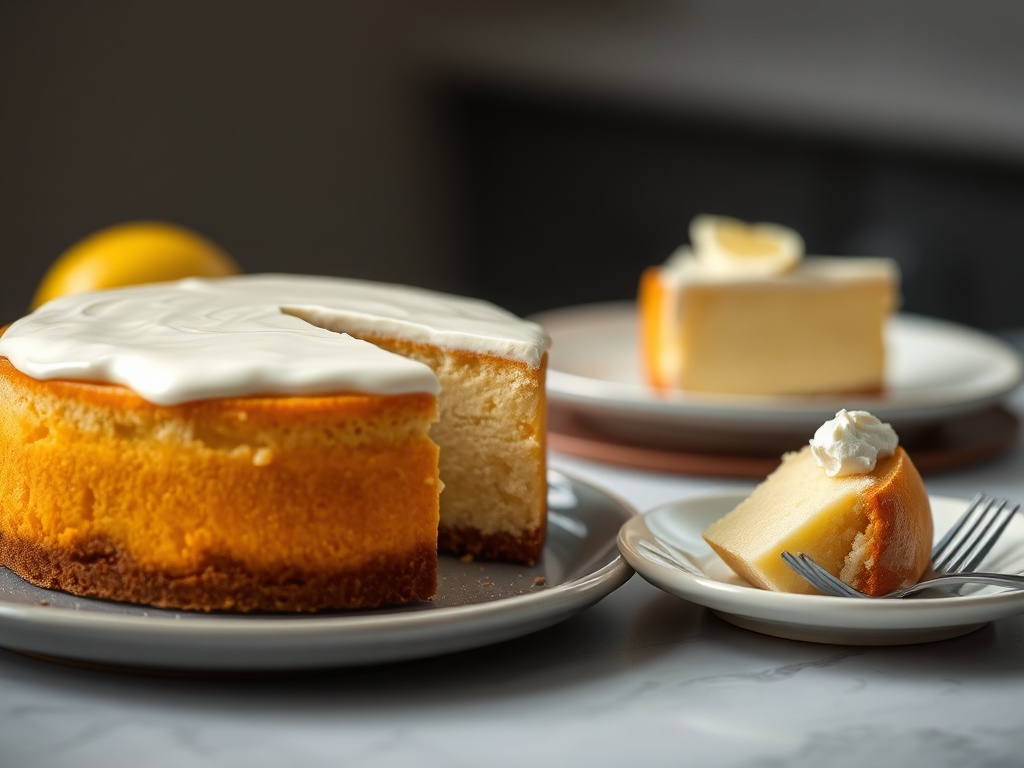
Imagine the perfect marriage of two beloved desserts, a culinary symphony where zesty brightness meets creamy indulgence. That’s precisely what you’ll discover in our Dreamy Lemon Cheesecake Cake with Cream Cheese Frosting. This isn’t just a cake; it’s an experience, a harmonious blend of a moist, tender lemon cake, a rich and tangy cheesecake layer, all crowned with a cloud of irresistible cream cheese frosting. It’s a dessert that not only looks spectacular but delivers on every single flavor promise, offering a delightful contrast of textures and tastes in every single bite.
What makes this cake so uniquely special? It’s the artful layering that creates a profound texture contrast: the airy crumb of the lemon cake against the dense, silky smoothness of the cheesecake, all unified by the pillowy frosting. The flavor profile is equally captivating – the vibrant, sunny notes of fresh lemon cut through the richness of the cream cheese, creating a balance that prevents it from being overly sweet or heavy. This impressive creation is perfect for those special occasions that demand a showstopper, be it a holiday gathering, a milestone birthday, or simply an impressive dessert to wow your guests. While it might look like a masterpiece reserved for professional bakers, we promise you, with this comprehensive guide, it’s an achievable and incredibly rewarding baking project.
Get ready to embark on a baking adventure that culminates in a dessert that will have everyone asking for the recipe. This Dreamy Lemon Cheesecake Cake is more than just a recipe; it’s an invitation to create something truly magical in your kitchen. With detailed instructions and helpful tips, you’ll be well on your way to crafting a dessert that is as delightful to make as it is to devour. Prepare to impress, delight, and savor every single forkful of this extraordinary creation.
Nutritional Information
Per serving (approximate values):
- Calories: 550-650
- Protein: 8-12g
- Carbohydrates: 60-75g
- Fat: 30-45g
- Fiber: 1-2g
- Sodium: 300-400mg
Ingredients
- For the Moist Lemon Cake Layers:
- 2 ½ cups (300g) all-purpose flour, sifted
- 2 teaspoons baking powder
- ½ teaspoon baking soda
- ½ teaspoon salt
- 1 cup (226g) unsalted butter, softened
- 2 cups (400g) granulated sugar
- 4 large eggs, room temperature
- 1 cup (240ml) buttermilk, room temperature
- ¼ cup (60ml) fresh lemon juice
- 2 tablespoons lemon zest (from 2-3 large lemons)
- 1 teaspoon vanilla extract
- For the Creamy Cheesecake Layer:
- 24 ounces (3 blocks) full-fat cream cheese, softened
- 1 cup (200g) granulated sugar
- 3 large eggs, room temperature
- ½ cup (120ml) sour cream, room temperature
- 1 teaspoon vanilla extract
- 1 tablespoon fresh lemon juice (optional, for extra tang)
- 1 teaspoon lemon zest (optional)
- For the Tangy Cream Cheese Frosting:
- 12 ounces (1 ½ blocks) full-fat cream cheese, softened
- ¾ cup (170g) unsalted butter, softened
- 4-5 cups (480-600g) powdered sugar, sifted
- 1 teaspoon vanilla extract
- 1-2 tablespoons fresh lemon juice (to taste)
- Pinch of salt
- For Garnish (Optional):
- Fresh lemon slices
- Additional lemon zest
- Edible flowers
Instructions
- Prepare the Lemon Cake Layers:
- Preheat your oven to 350°F (175°C). Grease and flour two 8-inch round cake pans, or line with parchment paper circles.
- In a medium bowl, whisk together the sifted flour, baking powder, baking soda, and salt. Set aside.
- In a large bowl, using an electric mixer on medium speed, cream together the softened butter and granulated sugar until light and fluffy (3-5 minutes).
- Add the eggs one at a time, beating well after each addition, until fully incorporated. Scrape down the sides of the bowl as needed.
- Stir in the lemon zest and vanilla extract.
- In a separate small bowl, whisk together the buttermilk and lemon juice.
- Gradually add the dry ingredients to the wet ingredients in three additions, alternating with the buttermilk mixture, beginning and ending with the dry ingredients. Mix on low speed just until combined, being careful not to overmix.
- Divide the batter evenly between the two prepared cake pans.
- Bake for 25-30 minutes, or until a wooden skewer inserted into the center comes out clean.
- Let the cakes cool in the pans for 10-15 minutes before inverting them onto a wire rack to cool completely. This is crucial before assembly.
- Prepare and Bake the Cheesecake Layer:
- Reduce oven temperature to 325°F (160°C).
- Wrap the bottom and sides of a 9-inch springform pan tightly with heavy-duty aluminum foil to prevent water from seeping in during the water bath.
- In a large bowl, using an electric mixer on medium speed, beat the softened cream cheese until smooth and creamy, about 2-3 minutes. Make sure there are no lumps.
- Gradually add the granulated sugar, beating until just combined and smooth. Do not overbeat.
- Add the eggs one at a time, mixing on low speed just until incorporated after each addition.
- Stir in the sour cream, vanilla extract, and optional lemon juice and zest. Mix until just combined.
- Pour the cheesecake batter into the prepared springform pan.
- Place the springform pan into a larger roasting pan. Carefully pour hot water into the roasting pan until it reaches about halfway up the sides of the springform pan.
- Bake for 50-60 minutes, or until the edges are set and the center still has a slight jiggle when gently shaken.
- Turn off the oven, crack the oven door slightly, and let the cheesecake cool in the water bath for 1 hour. This helps prevent cracking.
- Remove the cheesecake from the water bath and the roasting pan. Let it cool completely on a wire rack at room temperature.
- Once cooled, cover the cheesecake with plastic wrap and refrigerate for at least 4 hours, preferably overnight, until thoroughly chilled and firm. This is essential for clean layering.
- Make the Tangy Cream Cheese Frosting:
- In a large bowl, using an electric mixer on medium speed, beat the softened cream cheese and softened butter together until smooth and creamy, about 2-3 minutes.
- Gradually add the sifted powdered sugar, 1 cup at a time, mixing on low speed until combined, then increasing to medium-high until light and fluffy.
- Beat in the vanilla extract, lemon juice, and a pinch of salt. Adjust lemon juice to your preferred tanginess. If the frosting is too thick, add a tiny bit more lemon juice or milk; if too thin, add more sifted powdered sugar.
- Assemble the Cake:
- Ensure both lemon cake layers are completely cool and the cheesecake layer is thoroughly chilled.
- Carefully remove the cheesecake from the springform pan. You may need to gently run a thin knife around the edge.
- Place one lemon cake layer on your serving platter or cake stand.
- Spread a thin, even layer of cream cheese frosting over the top of the cake layer.
- Carefully center the chilled cheesecake layer on top of the frosting.
- Spread another thin, even layer of cream cheese frosting over the top of the cheesecake.
- Gently place the second lemon cake layer on top of the frosting-covered cheesecake.
- Apply a thin “crumb coat” of frosting all over the cake (top and sides). This traps any loose crumbs. Refrigerate the cake for 15-20 minutes to set the crumb coat.
- Once the crumb coat is set, apply the remaining cream cheese frosting generously to the top and sides of the cake, smoothing it with an offset spatula.
- Decorate with fresh lemon slices, additional lemon zest, or edible flowers, if desired.
- Refrigerate the assembled cake for at least 1-2 hours before slicing to allow the layers to set and the frosting to firm up.
- When ready to serve, use a sharp, warm knife (wiped clean between slices) for the cleanest cuts.
Cooking Tips and Variations
For the best results, always ensure your cream cheese, butter, and eggs are at room temperature. This is absolutely critical for achieving smooth batters and a lump-free, fluffy frosting. Cold ingredients will result in a lumpy consistency in your cheesecake and frosting, and a denser cake. When zesting lemons, use a microplane and be careful to only get the yellow part of the peel, as the white pith underneath is bitter. For the cake batter and cheesecake filling, avoid overmixing. Overmixing develops gluten in the flour (for the cake) and incorporates too much air (for the cheesecake), leading to a tough cake and a cracked cheesecake. Mix just until ingredients are combined. A water bath for the cheesecake is highly recommended; it provides a moist cooking environment, which helps prevent cracks and ensures a creamy, evenly baked cheesecake. Don’t rush the cooling process for any component; patience is key. The cakes must be completely cool, and the cheesecake thoroughly chilled, before assembly to prevent sliding and melting.
To vary this recipe, consider adding fresh berries. Raspberries or blueberries can be gently folded into the cheesecake batter before baking, or layered between the cake and cheesecake layers during assembly. For an extra pop of flavor and texture, you could also make a simple berry compote to drizzle over each slice. Experiment with different citrus fruits; lime or even orange zest and juice can replace the lemon for a unique twist. For an elegant touch, a thin layer of lemon curd could be spread on top of the cheesecake layer before adding the final cake layer. If you’re looking for a gluten-free option, substitute the all-purpose flour with a high-quality 1:1 gluten-free baking flour blend that contains xanthan gum. Always check the blend’s recommendations, as some may require slight adjustments to liquid. Another variation could involve adding a crunchy element. A thin layer of crushed shortbread cookies or graham cracker crumbs could be sprinkled on top of the frosting layer before the final decorating, or even mixed into the cake batter for a textural surprise. Have fun with it and make it your own!
Storage and Reheating
This Dreamy Lemon Cheesecake Cake must be stored in the refrigerator due to its cream cheese components. Cover the cake loosely with plastic wrap or place it in an airtight cake carrier to prevent it from drying out and absorbing other refrigerator odors. Stored properly, the cake will remain fresh for 4-5 days. For the best flavor and texture, allow slices to come to room temperature for about 20-30 minutes before serving. This softens the cream cheese layers and enhances the cake’s tenderness and the frosting’s creaminess. This cake does not handle reheating well, as the cheesecake layer would become rubbery and the cake layers would dry out. It is meant to be served chilled or at room temperature.
If you need to store the cake for a longer period, it freezes beautifully. For individual slices, place them on a baking sheet and freeze until firm (about 1-2 hours). Once firm, wrap each slice tightly in plastic wrap, then an additional layer of aluminum foil, and place them in a freezer-safe container or bag. For a whole cake, freeze it uncovered until firm, then wrap tightly first in plastic wrap, then in aluminum foil. Frozen, the cake will last for up to 1 month. To thaw, transfer the wrapped slices or whole cake to the refrigerator overnight. Allow individual slices to come to room temperature for about 30 minutes before serving. Enjoying it cold or slightly softened after refrigeration is the ideal way to savor its dreamy texture and vibrant flavors.
Frequently Asked Questions
Can I make the components of this cake ahead of time?
Absolutely! This cake is perfect for making in stages. You can bake the lemon cake layers 1-2 days ahead, wrap them tightly in plastic wrap, and store them at room temperature or in the refrigerator. The cheesecake layer can be baked and chilled for up to 2-3 days in advance; in fact, it’s best when thoroughly chilled overnight. The cream cheese frosting can be made 1-2 days ahead and stored in an airtight container in the refrigerator. Just bring it to room temperature and re-whip briefly before frosting the cake.
Why did my cheesecake crack?
Cheesecake cracks are often caused by overbeating the batter (which incorporates too much air), sudden temperature changes during baking or cooling, or not using a water bath. To prevent cracking, beat the cream cheese and sugar just until smooth, add eggs one at a time mixing minimally, always use a water bath, and allow the cheesecake to cool gradually in the oven with the door ajar before fully removing it.
My frosting is too runny/too stiff, how can I fix it?
If your frosting is too runny, it’s likely due to warm butter/cream cheese or too much liquid. Try adding more sifted powdered sugar, about ½ cup at a time, until it reaches the desired consistency. If it’s too stiff, it might be too cold or have too much powdered sugar. Add a tablespoon of milk, heavy cream, or lemon juice at a time, beating until it loosens up to a spreadable consistency.
What’s the best way to slice this layered cake cleanly?
For clean slices, ensure the cake is well-chilled, ideally for at least 1-2 hours after assembly. Use a very sharp, thin-bladed knife. For each slice, dip the knife in hot water, wipe it clean, and then make a single, decisive cut. Clean the knife again between each slice to prevent dragging crumbs and frosting between layers, which helps maintain the beautiful appearance of the layers.