Introduction
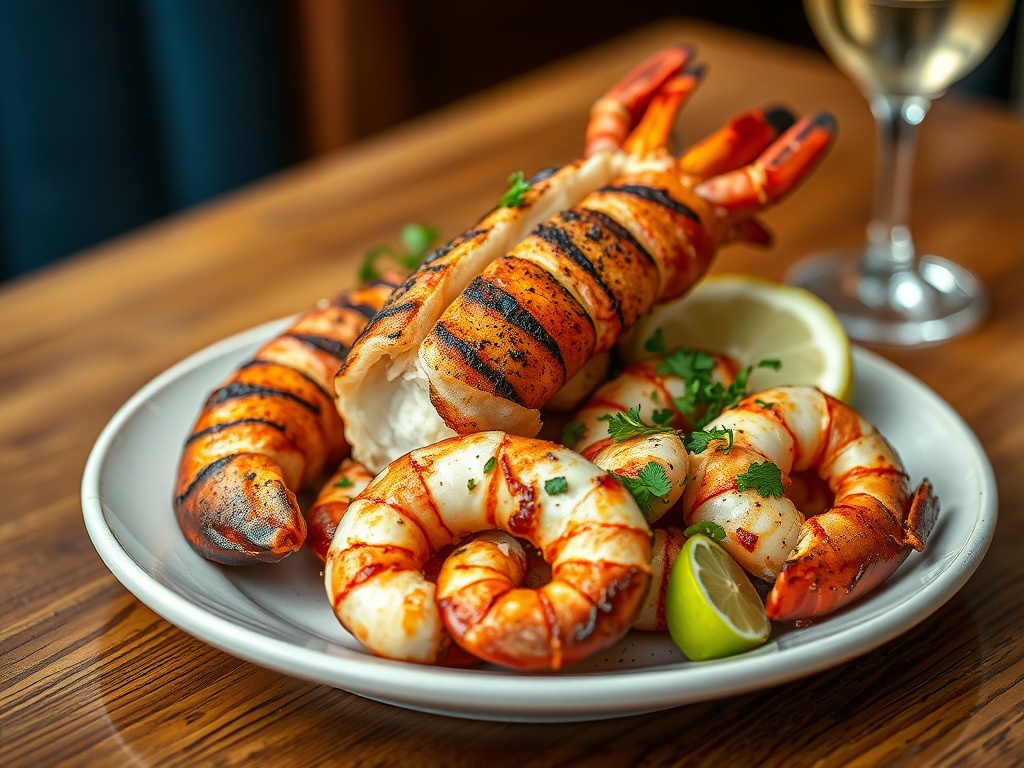
Imagine the sun setting, a gentle breeze, and the irresistible aroma of succulent seafood sizzling on the grill. That’s the magic we’re about to create with our Delicious Grilled Lobster & Shrimp recipe. This dish isn’t just a meal; it’s an experience, transforming simple ingredients into a luxurious feast that’s surprisingly easy to achieve. With its unique smoky char, tender texture, and vibrant flavors, grilled seafood is a summertime sensation that promises to elevate any gathering or quiet evening into a special occasion.
This recipe is designed to demystify the art of grilling seafood, proving that you don’t need a five-star restaurant to enjoy an impressive, gourmet meal. We’ll guide you through selecting the freshest ingredients, crafting a simple yet powerfully flavorful marinade, and mastering the grill to achieve perfectly cooked lobster and shrimp every time. Get ready to unlock the full potential of these ocean treasures, infusing them with buttery garlic, bright lemon, and that unmistakable kiss of smoke that only a grill can deliver.
Whether you’re a seasoned grill master or a novice looking to impress, this guide will equip you with all the tips and tricks needed to create a dish that’s both elegant and approachable. Prepare to indulge in tender, juicy lobster tails and plump, sweet shrimp, all kissed by the flames for an unforgettable culinary adventure. It’s time to fire up the grill and make some delicious memories!
Nutritional Information
Per serving (approximate values):
- Calories: 450
- Protein: 45g
- Carbohydrates: 5g
- Fat: 28g
- Fiber: 1g
- Sodium: 850mg
Ingredients
- 2 (8-10 oz each) frozen lobster tails, thawed
- 1 lb large (U/15 or U/12) shrimp, shell-on or peeled and deveined
- 1/4 cup olive oil
- 4 tablespoons unsalted butter, melted (plus extra for basting/dipping)
- 3 cloves garlic, minced
- 2 tablespoons fresh lemon juice (from 1 medium lemon)
- 1 tablespoon chopped fresh parsley
- 1 teaspoon smoked paprika
- 1/2 teaspoon kosher salt
- 1/4 teaspoon black pepper
- Pinch of red pepper flakes (optional)
- Fresh lemon wedges, for serving
- Additional fresh parsley or chives, chopped, for garnish
Instructions
- Thaw Lobster and Shrimp: If using frozen lobster tails, thaw them overnight in the refrigerator or by placing them in a sealed bag under cold running water for 30-60 minutes. Thaw frozen shrimp similarly if not already thawed. Once thawed, pat both the lobster tails and shrimp thoroughly dry with paper towels. This is crucial for achieving a good sear on the grill.
- Prepare the Lobster Tails: Using sharp kitchen shears or a sturdy chef’s knife, carefully cut the top of the lobster shell lengthwise, from the wide end down to the tail fins, being careful not to cut through the meat entirely. Gently pry open the shell and loosen the meat from the shell, leaving it attached at the base of the tail. Lift the meat on top of the shell, creating a “piggyback” presentation. If there’s a dark vein, gently remove it.
- Prepare the Shrimp: If using shell-on shrimp, you can leave the shell on for extra flavor and moisture retention, or peel them. If peeling, leave the tail segment on for a handle and presentation. If not already deveined, make a shallow cut along the back curve of the shrimp and remove the dark vein with the tip of a knife or a toothpick. Pat the shrimp dry again if they’ve released any moisture.
- Make the Marinade: In a medium bowl, whisk together the olive oil, melted butter, minced garlic, fresh lemon juice, chopped parsley, smoked paprika, kosher salt, black pepper, and red pepper flakes (if using).
- Marinate the Seafood: Divide the marinade into two portions. Place the prepared lobster tails in one bowl or shallow dish and drizzle with half of the marinade, ensuring the meat is well coated. For the shrimp, place them in another bowl and toss with the remaining half of the marinade. Allow the shrimp to marinate for 15-20 minutes at room temperature. Marinate the lobster tails for 30-45 minutes. Do not over-marinate, especially the shrimp, as the acid can “cook” the delicate proteins and make them mushy.
- Preheat the Grill: Preheat your gas or charcoal grill to medium-high heat (around 400-450°F / 200-230°C). Once hot, thoroughly clean the grill grates with a wire brush. Then, lightly oil the grates by dipping a folded paper towel in a high-smoke-point oil (like canola or grapeseed oil) and, using tongs, carefully rub it over the hot grates. This prevents sticking.
- Grill the Lobster: Place the lobster tails flesh-side down on the preheated, oiled grates. Grill for 4-5 minutes to get a good sear and smoky flavor. Then, flip the lobster tails to shell-side down. Continue grilling for another 3-7 minutes, depending on the thickness of the tails. The lobster is cooked when the meat is opaque white throughout and firm to the touch, with an internal temperature of 140-145°F (60-63°C). You can baste with any remaining melted butter during this stage.
- Grill the Shrimp: While the lobster finishes, place the marinated shrimp in a single layer on the hot grill grates. Do not overcrowd the grill, as this will lower the temperature and steam the shrimp instead of searing them. Grill for 2-3 minutes per side. Shrimp cook very quickly; they will turn pink and curl into a “C” shape when done. Remove them immediately to avoid overcooking, which can make them rubbery.
- Rest and Serve: Once the lobster is cooked, remove it from the grill and let it rest for 5 minutes, loosely tented with foil. This allows the juices to redistribute, resulting in more tender and flavorful meat. Arrange the grilled lobster tails and shrimp on a serving platter. Garnish generously with fresh lemon wedges and additional chopped parsley or chives.
- Enjoy: Serve immediately with your favorite sides and perhaps a small bowl of extra melted butter for dipping.
Cooking Tips and Variations
Safety First: Always use separate cutting boards and utensils for raw seafood to prevent cross-contamination. Wash your hands thoroughly after handling raw fish and shellfish.
Don’t Overcrowd the Grill: This is a crucial tip for all grilling, but especially for delicate seafood. Overcrowding lowers the grill temperature, leading to steaming rather than searing, and can result in uneven cooking. Grill in batches if necessary.
For Extra Smoky Flavor: If using a charcoal grill, you can add a small handful of wood chips (like apple or hickory) to the coals for an added layer of smoky flavor. Soak them in water for at least 30 minutes before adding to prevent them from burning too quickly.
Indirect Heat for Thicker Lobster: For very thick lobster tails (over 10 oz), you might start them flesh-side down on direct medium-high heat for 4-5 minutes for a good sear, then move them to indirect heat (a cooler part of the grill) and close the lid to finish cooking for another 5-10 minutes, until they reach the desired internal temperature. This helps prevent the outside from charring before the inside is cooked through.
Skewers for Smaller Shrimp: If your shrimp are on the smaller side (U/20 or smaller), threading them onto skewers before grilling can make them much easier to handle and prevent them from falling through the grates. Wooden skewers should be soaked in water for at least 30 minutes to prevent burning.
Marinade Variations: Feel free to experiment with the marinade. For a touch of heat, increase the red pepper flakes or add a dash of cayenne pepper. For an Asian twist, swap some of the olive oil for sesame oil, add a splash of soy sauce, and a pinch of ginger. For a spicier, more herbaceous flavor, consider adding finely chopped cilantro and a bit of finely diced jalapeño.
Buttery Garlic Glaze: Instead of a full marinade, you can simply brush the lobster and shrimp with melted butter mixed with minced garlic, lemon juice, and herbs just before and during grilling. This creates a rich, flavorful glaze that caramelizes beautifully.
Doneness Cues: Rely on visual cues and a meat thermometer. Lobster meat should be opaque white and firm. Shrimp will turn pink and curl into a “C” shape. If it forms an “O” shape, it’s likely overcooked and will be rubbery.
Serve with Compound Butter: For an extra touch of decadence, prepare a compound butter by mixing softened butter with finely chopped herbs (like tarragon or chives), lemon zest, and a pinch of salt. Serve a dollop on top of the hot lobster and shrimp as they come off the grill.
Storage and Reheating
Storage: Leftover grilled lobster and shrimp should be stored in an airtight container in the refrigerator within two hours of cooking. It is best consumed within 1-2 days for optimal flavor and texture. While safe to eat beyond that, the quality can diminish quickly.
Reheating: Reheating seafood, especially grilled seafood, can be tricky as it’s prone to drying out and becoming rubbery. The best methods aim for gentle, even heating.
- Oven Method: Preheat your oven to 275-300°F (135-150°C). Place the lobster and shrimp in an oven-safe dish, adding a splash of water or broth and covering tightly with foil. Heat for 10-15 minutes, or until just warmed through. The foil and moisture help create steam, preventing it from drying out.
- Skillet Method: Heat a non-stick skillet over medium-low heat. Add a tiny amount of butter or olive oil. Once hot, add the lobster and shrimp and cover the skillet. Cook for 3-5 minutes, gently turning once, until just heated through. Be careful not to cook for too long.
- Microwave (Use with Caution): If you must use a microwave, do so on a low power setting and in short bursts (15-30 seconds) until just warm. This method is the most likely to result in rubbery seafood, so it’s generally not recommended.
Serving Leftovers: Repurpose leftover grilled seafood into other dishes! It’s excellent in salads, pasta dishes, tacos, or even a quick seafood quesadilla. Flake the lobster meat and roughly chop the shrimp for easy incorporation.
Frequently Asked Questions
Can I use previously frozen lobster tails?
Absolutely! This recipe is specifically designed to use frozen lobster tails, which are widely available and convenient. Just ensure they are fully thawed before preparation. Live lobsters offer the freshest taste but require more preparation, such as humane dispatch and splitting.
How do I know when the shrimp are perfectly cooked and not rubbery?
Shrimp cook very quickly! The best indicator is their color and shape. They will turn a vibrant pink and curl into a “C” shape. If they curl into a tight “O” shape, they are likely overcooked and will be rubbery. Aim for tender, juicy shrimp by removing them from the heat as soon as they turn pink and opaque.
What are some good side dishes to serve with grilled lobster and shrimp?
This impressive dish pairs wonderfully with a variety of light and fresh sides. Classic choices include grilled asparagus, corn on the cob, a simple green salad with a citrus vinaigrette, quinoa salad, or crusty bread for soaking up the delicious juices. For a more substantial meal, consider rice pilaf or roasted potatoes.
Can I prepare the seafood ahead of time?
You can prepare the lobster tails (splitting and loosening the meat) and shrimp (peeling and deveining) a few hours in advance and keep them refrigerated. However, it’s best to make the marinade and combine it with the seafood no more than 30-45 minutes (for lobster) and 15-20 minutes (for shrimp) before grilling. Over-marinating, especially with acidic ingredients like lemon juice, can change the texture of delicate seafood, making it mushy.