Introduction
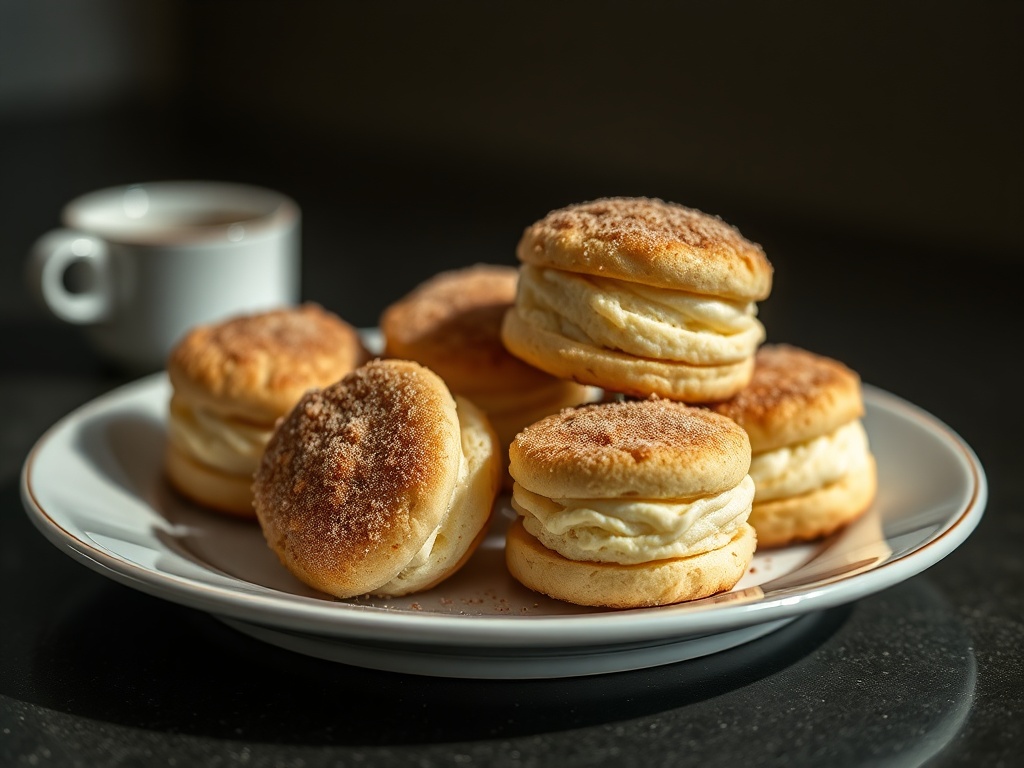
Imagine a symphony of warm cinnamon, sweet sugar, and flaky, tender biscuit melting in your mouth. That’s exactly what awaits you with these irresistible Cinnamon Sugar Bite-Size Biscuits! These delightful little morsels are more than just a treat; they’re a comforting hug in edible form, perfectly sized for popping one (or five!) into your mouth without a second thought. Forget the fuss of cutting large biscuits or dealing with sticky glazes; these bite-sized wonders are designed for maximum flavor impact in a small, convenient package.
What makes this recipe truly special? For starters, its incredible versatility. Whether you’re looking for a quick and satisfying breakfast, a charming addition to your brunch spread, an afternoon snack to curb those sweet cravings, or even a light dessert, these biscuits fit the bill. They’re incredibly easy to make, even if you’re a complete beginner in the kitchen, relying on simple pantry staples you likely already have on hand. Plus, their small stature makes them inherently kid-friendly and an absolute crowd-pleaser at any gathering. No cutting, no fuss – just pure, bite-sized perfection ready to be enjoyed.
Get ready for a delightful experience that will fill your home with the heavenly scent of cinnamon and sugar. These biscuits are a fantastic alternative to larger, more traditional options, offering portion control and ultimate convenience. The recipe is approachable for bakers of all skill levels, ensuring that everyone can achieve perfectly flaky, tender results. Prepare to fall in love with these sweet little wonders that promise to become a cherished favorite in your recipe collection.
Nutritional Information
Per serving (approximate values):
- Calories: 180
- Protein: 3g
- Carbohydrates: 25g
- Fat: 8g
- Fiber: 1g
- Sodium: 200mg
Ingredients
For the Biscuits:
- 2 cups (240g) all-purpose flour, plus more for dusting
- 2 tablespoons granulated sugar
- 1 tablespoon baking powder
- 1/2 teaspoon salt
- 1/2 cup (113g) cold unsalted butter, cut into 1/2-inch cubes
- 3/4 cup (180ml) cold whole milk
For the Cinnamon Sugar Topping:
- 1/2 cup (100g) granulated sugar
- 1 tablespoon ground cinnamon
- 1/4 cup (56g) unsalted butter, melted
- Optional: Pinch of ground nutmeg
Instructions
- Preheat your oven to 425°F (220°C). Line a large baking sheet with parchment paper. This will prevent sticking and make cleanup a breeze.
- In a large mixing bowl, whisk together the all-purpose flour, 2 tablespoons granulated sugar, baking powder, and salt. Make sure these dry ingredients are well combined.
- Add the cold, cubed butter to the dry ingredients. Using a pastry blender, two forks, or your fingertips, cut the butter into the flour mixture until it resembles coarse crumbs with some pea-sized pieces of butter remaining. The key here is to keep the butter as cold as possible; this creates steam pockets during baking, leading to flaky biscuits.
- Gradually pour in the cold whole milk, mixing with a wooden spoon or spatula until just combined. Be careful not to overmix the dough. Overmixing develops gluten, which can result in tough biscuits. The dough should still look a bit shaggy.
- Lightly flour a clean work surface. Turn the biscuit dough out onto the floured surface. Gently pat or roll the dough into a rectangle about 1/2-inch thick. Avoid pressing too hard or overworking the dough.
- Using a small cookie scoop (about 1-inch diameter) or a small biscuit cutter, cut out the bite-sized biscuits. If using a cutter, press straight down without twisting to ensure a good rise. Gather any scraps, gently re-pat them together, and cut out more biscuits until all the dough is used. This recipe should yield approximately 24-30 bite-sized biscuits.
- In a small shallow bowl, combine the 1/2 cup granulated sugar and ground cinnamon (and optional pinch of nutmeg, if using). In another small bowl, melt the 1/4 cup unsalted butter.
- Take each biscuit, brush it lightly with the melted butter using a pastry brush, then roll or toss it in the cinnamon sugar mixture until evenly coated. Place the coated biscuits on the prepared baking sheet, leaving about 1 inch of space between each.
- Bake for 10-14 minutes, or until the biscuits are golden brown on top and bottom and have puffed up nicely. The baking time may vary slightly depending on your oven.
- Once baked, remove the baking sheet from the oven and let the biscuits cool slightly on the sheet for a few minutes before transferring them to a wire rack to cool completely. These are best enjoyed warm, fresh from the oven!
Cooking Tips and Variations
Achieving perfectly flaky and tender biscuits comes down to a few crucial techniques. First and foremost, do not overwork the dough. This cannot be stressed enough. Overmixing develops the gluten in the flour, which will result in tough, chewy biscuits instead of light, tender ones. Mix until just combined, even if there are still a few dry streaks of flour. Secondly, always use cold butter and cold milk. The cold butter creates steam pockets as it melts in the hot oven, which is what gives biscuits their characteristic flaky layers. If your butter starts to soften, pop it back in the fridge for a few minutes. Another expert tip is to measure flour correctly. Spoon your flour into the measuring cup and then level it off with a straight edge, rather than scooping directly from the bag, which can compact the flour and lead to adding too much. When cutting the biscuits, don’t twist the cutter; press straight down and lift to ensure an even rise. Finally, bake until golden brown; color is a better indicator of doneness than time alone.
These Cinnamon Sugar Bite-Size Biscuits are incredibly versatile and lend themselves beautifully to various flavor variations. For a bright, citrusy twist, add 1-2 teaspoons of finely grated orange zest to either the biscuit dough or the cinnamon sugar topping. The zest adds a wonderful aromatic lift. If you’re feeling adventurous, a pinch of ground cardamom (about 1/4 teaspoon) added to the cinnamon sugar mixture can introduce an exotic and warm spice note that pairs wonderfully with cinnamon. For the chocolate lovers, fold 1/2 cup of mini chocolate chips into the biscuit dough just before forming the biscuits. This creates a delightful melty surprise inside. During autumn, consider an spiced apple variation by folding in 1/4 cup of finely diced, peeled apple and an extra pinch of nutmeg into the dough. If you prefer a more decadent finish, a simple powdered sugar glaze is always a hit: whisk together 1 cup powdered sugar with 2-3 tablespoons of milk or cream and 1/2 teaspoon vanilla extract until smooth, then drizzle over the cooled biscuits.
These biscuits are also fantastic for making ahead. You can prepare the dough the night before, form the biscuits, and then refrigerate them on the parchment-lined baking sheet, covered loosely with plastic wrap. Bake them fresh in the morning, adding a minute or two to the baking time. Alternatively, you can freeze unbaked biscuits. Arrange the cut biscuits on a baking sheet and freeze until solid, then transfer them to an airtight freezer-safe bag or container. When you’re ready to bake, place the frozen biscuits on a prepared baking sheet and bake from frozen, adding an extra 5-8 minutes to the baking time, or until golden brown. This is a brilliant way to have fresh-baked treats on demand whenever the craving strikes!
Storage and Reheating
To keep your Cinnamon Sugar Bite-Size Biscuits fresh and delicious, store them in an airtight container at room temperature for up to 2-3 days. For longer storage, you can refrigerate them for up to 5 days, though they tend to lose some of their tenderness in the fridge. For the best quality, especially if you want to enjoy them warm and flaky, freezing is an excellent option.
To reheat, the best method depends on how you stored them. If at room temperature, a quick pop in the microwave for 10-15 seconds per biscuit will warm them through and soften them slightly. For a crispier exterior, you can reheat them in a preheated oven at 300°F (150°C) for about 5-7 minutes. If reheating from frozen (baked biscuits), you can place them directly in a 325°F (160°C) oven for 10-15 minutes, or until heated through. Alternatively, microwave frozen biscuits for 30-60 seconds, then finish in a toaster oven or regular oven for a few minutes to crisp them up.
Frequently Asked Questions
My biscuits turned out tough. What went wrong?
The most common culprit for tough biscuits is overmixing the dough. When you overmix, you develop the gluten in the flour, which leads to a chewy rather than tender texture. Biscuits require a light hand; mix only until the ingredients are just combined, even if a few streaks of flour remain. Also, ensure your butter is very cold, as warm butter contributes to a less tender biscuit.
Why are my biscuits flat and not rising properly?
Several factors can cause flat biscuits. The most common reason is old or expired baking powder. Baking powder loses its potency over time, so ensure yours is fresh. Another reason could be overworking the dough, which can deflate the air pockets needed for a good rise. Lastly, if you twisted your biscuit cutter when cutting, it can seal the edges and prevent the biscuits from rising evenly. Always press straight down and lift.
Can I use milk alternatives for this recipe?
Yes, you can use milk alternatives, but be aware that they might slightly alter the texture and richness of the biscuits. Whole milk provides the best richness and tenderness due to its fat content. If you use a lower-fat milk or a non-dairy alternative like almond or soy milk, your biscuits might be slightly less rich or a bit drier. For best results with non-dairy alternatives, choose one with a higher fat content if available, such as full-fat oat milk or a creamy soy milk.
How can I make sure my biscuits are flaky?
Flakiness in biscuits comes primarily from using very cold butter and handling the dough minimally. When you cut cold butter into the flour, it creates small pockets of butter. As the biscuits bake, the water in these butter pockets turns to steam, creating those desirable flaky layers. Ensure your butter is cubed and cold, and avoid melting it with your hands while incorporating it into the flour. Also, mixing the dough as little as possible helps maintain those distinct butter pockets.