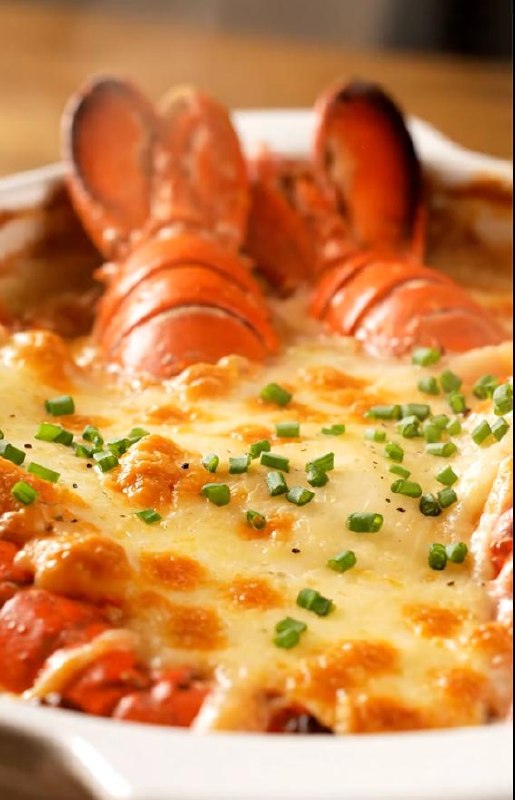
Instructions
- Prepare the Lobster Tails: Using kitchen shears, cut down the center of the lobster tail shell, starting from the top and stopping just before the tail fin.
- Butterfly the Lobster Tails: Gently open the shell and loosen the lobster meat from the shell. Be careful not to detach the meat completely from the tail fin.
- Remove the Vein: Locate the dark vein running down the back of the lobster meat and remove it with the tip of a knife.
- Lift the Meat: Gently lift the lobster meat up and out of the shell, resting it on top of the shell. This is known as butterflying the lobster tail.
- Prepare the Baking Sheet: Line a baking sheet with aluminum foil or parchment paper. This will make cleanup easier.
- Melt the Butter: In a small saucepan, melt the unsalted butter over low heat.
- Add Garlic: Add the minced garlic to the melted butter and cook for 1-2 minutes, or until fragrant. Be careful not to burn the garlic.
- Stir in Cream: Pour in the heavy cream and stir to combine. Simmer gently for 2-3 minutes, or until the sauce slightly thickens.
- Add Seasonings: Stir in the chopped parsley, lemon juice, salt, and black pepper. Add red pepper flakes if desired. Taste and adjust seasonings as needed.
- Brush the Lobster Tails: Generously brush the lobster meat with the creamy garlic butter sauce. Make sure to get the sauce into all the crevices.
- Position the Oven Rack: Position the oven rack about 6-8 inches from the broiler.
- Broil the Lobster Tails: Place the baking sheet with the lobster tails under the broiler. Broil for 8-12 minutes, or until the lobster meat is opaque and firm to the touch. The internal temperature should reach 140-145°F (60-63°C). Watch carefully to prevent burning.
- Check for Doneness: The lobster is done when the meat is opaque throughout and firm to the touch. You can also use a meat thermometer to check the internal temperature.
- Serve Immediately: Remove the lobster tails from the oven and serve immediately. Garnish with fresh chives, if desired. Serve with extra creamy garlic butter sauce for dipping.
Cooking Tips and Variations
- Lobster Tail Selection: Choose lobster tails that are firm and have a bright red shell. Avoid tails that have a strong fishy odor or discoloration. Frozen lobster tails should be thawed completely in the refrigerator before cooking.
- Doneness: The best way to check for doneness is to use a meat thermometer. Insert the thermometer into the thickest part of the lobster meat. The internal temperature should reach 140-145°F (60-63°C).
- Broiling Safety: Always keep a close eye on the lobster tails while broiling, as they can burn quickly. Watch for any smoke or flames. Have a baking sheet ready to remove the lobster tails from the oven if they start to burn.
- Flavor Variations: Get creative with the sauce! Add a pinch of red pepper flakes for a touch of heat, or experiment with different herbs such as thyme, rosemary, or oregano. A splash of white wine can also add depth of flavor.
- Shallots instead of Garlic: If you prefer a milder flavor, you can substitute minced shallots for the garlic.
- Wine Pairing: Pair these broiled lobster tails with a crisp white wine such as Chardonnay or Sauvignon Blanc. The acidity of the wine will complement the richness of the dish.
- Preventing Tough Lobster: Overcooking is the enemy of tender lobster. Monitor the lobster closely and remove it from the broiler as soon as it’s cooked through.
- Even Cooking: Properly butterflying the lobster tail ensures even cooking. Make sure the meat is evenly distributed on top of the shell.
- Adding a touch of lemon zest to the creamy garlic butter sauce can brighten the flavors.
- For a richer sauce, add a tablespoon of mascarpone cheese or crème fraîche at the end of the cooking process.
- If the sauce becomes too thick, add a tablespoon or two of milk or chicken broth to thin it out.
- To add a smoky flavor, finish the lobster tails with a sprinkle of smoked paprika before serving.
Storage and Reheating
Storage: Leftover broiled lobster tails should be stored in an airtight container in the refrigerator for up to 2 days. It’s best to store the lobster tails separately from the creamy garlic butter sauce to prevent them from becoming soggy.
Reheating: To reheat lobster tails, preheat your oven to 350°F (175°C). Place the lobster tails on a baking sheet and cover them with foil. Bake for 5-7 minutes, or until heated through. Be careful not to overcook the lobster, as it can become tough. Alternatively, you can reheat the lobster tails in a microwave on low power, but this method is more likely to result in a rubbery texture. For the sauce, gently reheat it in a saucepan over low heat, stirring occasionally, until warmed through. Do not boil the sauce.
Freezing: While not ideal, cooked lobster can be frozen. Wrap the lobster tails tightly in plastic wrap, then place them in a freezer bag. Freeze for up to 2 months. Thaw completely in the refrigerator before reheating. Be aware that freezing can affect the texture of the lobster, making it slightly less tender.
Frequently Asked Questions
How do I know when the lobster tails are cooked through?
The lobster meat should be opaque throughout and firm to the touch. You can also use a meat thermometer to check the internal temperature. It should reach 140-145°F (60-63°C). Avoid overcooking, as this will make the lobster tough.
Can I use pre-cooked lobster tails?
While you can use pre-cooked lobster tails, they may not be as flavorful or tender as fresh tails. If using pre-cooked tails, reduce the broiling time to prevent them from drying out. You’re essentially just reheating them.
Can I grill the lobster tails instead of broiling them?
Yes, you can grill the lobster tails. Preheat your grill to medium-high heat. Prepare the lobster tails as described in the instructions. Grill for 5-7 minutes per side, or until the lobster meat is opaque and firm to the touch. Brush with the creamy garlic butter sauce during the last few minutes of grilling.
What can I serve with broiled lobster tails?
Broiled lobster tails are delicious served with a variety of side dishes. Some popular options include rice, pasta, asparagus, roasted vegetables, and a fresh salad. The creamy garlic butter sauce also makes a great dipping sauce for crusty bread.