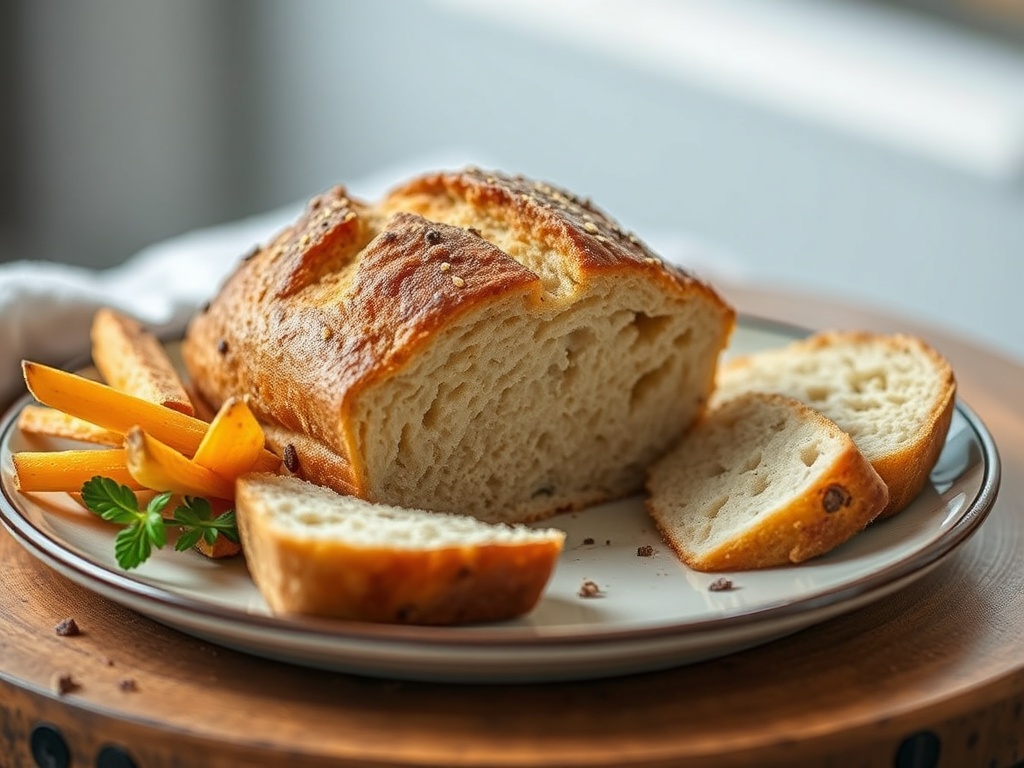
Introduction
Ever found yourself staring into an empty bread basket, a sudden craving for warm, fresh-baked goodness hitting you hard, but the oven seems like a monumental task? Or perhaps you’re in a tiny apartment kitchen, a dorm room, or even camping, and an oven simply isn’t an option. We’ve all been there! The good news is, your days of bread deprivation are officially over. Prepare to have your culinary world rocked by a recipe so simple, so fast, and so utterly delicious, you’ll wonder where it’s been all your life: “Bread in 10 Minutes No Oven Needed.”
This isn’t just a recipe; it’s a kitchen revolution for anyone short on time, space, or patience. Imagine going from zero to warm, tender bread in the time it takes to brew a cup of coffee. We’re talking fresh bread on demand, made entirely on your stovetop. No preheating, no lengthy rising times, no complex techniques – just a few pantry staples transformed into a delightful treat that tastes far more impressive than its minimal effort suggests. This recipe is perfect for busy students, small-space dwellers, adventurous campers, or any parent looking for a quick and satisfying snack for hungry little ones (or themselves!).
What makes this bread so special? It’s the ultimate combination of speed, convenience, and surprising flavor. While it won’t have the airy, open crumb of a traditional yeast-leavened loaf, it offers a wonderfully satisfying, slightly dense, and chewy texture, reminiscent of a scone or a thick flatbread. It’s incredibly versatile, serving as a perfect accompaniment to soups and stews, a quick base for sandwiches, or simply slathered with butter and jam for a comforting snack. Get ready to ditch the oven and embrace the magic of stovetop bread!
Nutritional Information
Per serving (approximate values, based on 4 servings from the recipe):
- Calories: 250 kcal
- Protein: 7g
- Carbohydrates: 45g
- Fat: 4g
- Fiber: 2g
- Sodium: 450mg
Ingredients
- 1 ½ cups all-purpose flour (plus extra for dusting)
- 2 teaspoons baking powder
- ½ teaspoon salt
- 1 tablespoon granulated sugar (optional, for a hint of sweetness)
- ¾ cup warm milk (dairy or non-dairy, approximately 100-110°F / 38-43°C)
- 2 tablespoons olive oil (plus 1 tablespoon for cooking)
Instructions
- In a large mixing bowl, combine the all-purpose flour, baking powder, salt, and granulated sugar (if using). Whisk them together thoroughly to ensure the leavening agent is evenly distributed. This step is crucial for an even rise.
- Create a well in the center of the dry ingredients. Pour in the warm milk and 2 tablespoons of olive oil. Using a wooden spoon or a spatula, mix the ingredients until they just come together to form a shaggy, slightly sticky dough. Be careful not to overmix, as this can lead to tough bread.
- Lightly flour a clean work surface. Turn the dough out onto the floured surface. Knead the dough gently for about 1-2 minutes. The goal is to bring it together into a relatively smooth ball, not to develop gluten extensively. If the dough is too sticky, add a tiny bit more flour, a teaspoon at a time. If it’s too dry, add a few drops of milk.
- Divide the dough into 4 equal portions. On the floured surface, gently flatten each portion into a round disc, about 4-5 inches in diameter and ½ inch thick. You can use your hands or a rolling pin. Try to keep the thickness as even as possible for uniform cooking.
- Heat a large, heavy-bottomed non-stick skillet or cast-iron pan over medium-low heat. Add the remaining 1 tablespoon of olive oil to the pan and swirl to coat the bottom. Allow the oil to heat for about 30 seconds.
- Carefully place 1 or 2 dough discs into the hot pan, ensuring they have enough space between them. Do not overcrowd the pan.
- Cook the bread for 3-5 minutes per side, or until it’s golden brown and cooked through. You’ll see bubbles forming on the surface, and the edges will start to look dry. Use a spatula to carefully flip the bread. If the bread is browning too quickly, reduce the heat slightly. If it’s not browning, increase the heat a touch.
- To check for doneness, you can gently press the center of the bread; it should feel slightly firm. For thicker breads, you can also insert a toothpick into the center; it should come out clean.
- Once cooked, remove the bread from the skillet and place it on a wire rack to cool slightly. Repeat with the remaining dough portions, adding a tiny bit more oil to the pan if needed.
- Serve warm and enjoy your incredibly quick, homemade bread!
Cooking Tips and Variations
For the best results, always measure your flour correctly. Spoon your flour into the measuring cup and level it off with a straight edge, rather than scooping directly from the bag, which can compact the flour and lead to a dry dough. A warm liquid is preferred because it helps activate the baking powder more efficiently, contributing to a better rise and softer texture. While kneading isn’t strictly necessary for this type of quick bread, a minute or two of gentle kneading helps bring the dough together and makes it easier to handle. Remember, don’t overmix; the goal is just to combine the ingredients. Overmixing develops gluten too much, leading to tough bread.
Sweet Variations:
- Cinnamon Sugar Swirl: Before flattening the dough, sprinkle a mixture of cinnamon and sugar onto the flattened dough, then fold it over and gently knead it once or twice to create a swirl.
- Fruity Delight: Add ¼ cup of raisins, dried cranberries, or finely chopped dried apricots to the dry ingredients.
- Citrus Zest: Incorporate 1 teaspoon of lemon or orange zest into the dry ingredients for a bright flavor.
- Chocolate Chip: Mix in ¼ cup of mini chocolate chips for a sweet treat.
Savory Variations:
- Garlic Herb: Add 1 teaspoon of dried Italian herbs (oregano, basil, thyme) and ½ teaspoon of garlic powder to the dry ingredients. Brush with melted garlic butter after cooking.
- Cheesy Chive: Fold in ¼ cup of shredded cheddar cheese and 2 tablespoons of chopped fresh chives with the wet ingredients.
- Sun-Dried Tomato & Feta: Add 2 tablespoons of finely chopped sun-dried tomatoes (oil-packed, drained) and 2 tablespoons of crumbled feta cheese to the dough.
- Spicy Kick: Incorporate ¼ teaspoon of chili powder or a pinch of red pepper flakes for a subtle heat.
A heavy-bottomed non-stick pan or a well-seasoned cast iron skillet is your best friend for this recipe, as it distributes heat evenly and prevents burning. If you find your bread browning too quickly on the outside but still seeming doughy in the middle, try covering the pan with a lid for a minute or two during cooking. This traps steam and helps cook the inside more thoroughly without burning the exterior. Always serve this bread warm; its texture and flavor are at their peak when fresh off the skillet.
Storage and Reheating
While this stovetop bread is undoubtedly best enjoyed fresh and warm, you can store any leftovers to savor later. Once completely cooled, place the bread in an airtight container or a resealable plastic bag. Store it at room temperature for up to 2 days. If you need to keep it longer, you can refrigerate it for up to 4 days, though refrigeration can slightly alter the texture, making it a bit firmer.
For reheating, the best method is to return the bread to a dry skillet over medium-low heat. Cook for 1-2 minutes per side, or until warmed through and slightly crispy again. You can also toast it in a toaster oven or a regular toaster (if the pieces fit) for a minute or two. Avoid reheating in the microwave, as it can make the bread chewy and tough. A quick reheat in a pan will bring back its delicious, comforting texture.
Frequently Asked Questions
Can I use whole wheat flour for this recipe?
Yes, you can substitute up to half of the all-purpose flour with whole wheat flour. Keep in mind that whole wheat flour absorbs more liquid, so you might need to add an extra tablespoon or two of milk to achieve the right dough consistency. The resulting bread will be denser and have a nuttier flavor.
My bread is too dense. What went wrong?
A common culprit for dense bread in quick bread recipes is overmixing the dough. When you overmix, you develop the gluten in the flour too much, leading to a tough, dense texture. Mix only until the ingredients are just combined. Also, ensure your baking powder is fresh and active, as expired leavening agents won’t provide the necessary lift.
Can I make this recipe without milk?
Absolutely! You can substitute the warm milk with warm water or any warm plant-based milk (like almond, soy, or oat milk). The taste and texture might vary slightly depending on the substitute, but the recipe will still work effectively.
How do I know when the bread is fully cooked in the middle?
The bread should be golden brown on both sides, and when you gently press the center, it should feel firm and spring back slightly. For thicker pieces, you can insert a toothpick into the thickest part; if it comes out clean, the bread is cooked through. If it feels doughy or wet, continue cooking for another minute or two per side, possibly covering the pan to help steam the interior.