Introduction
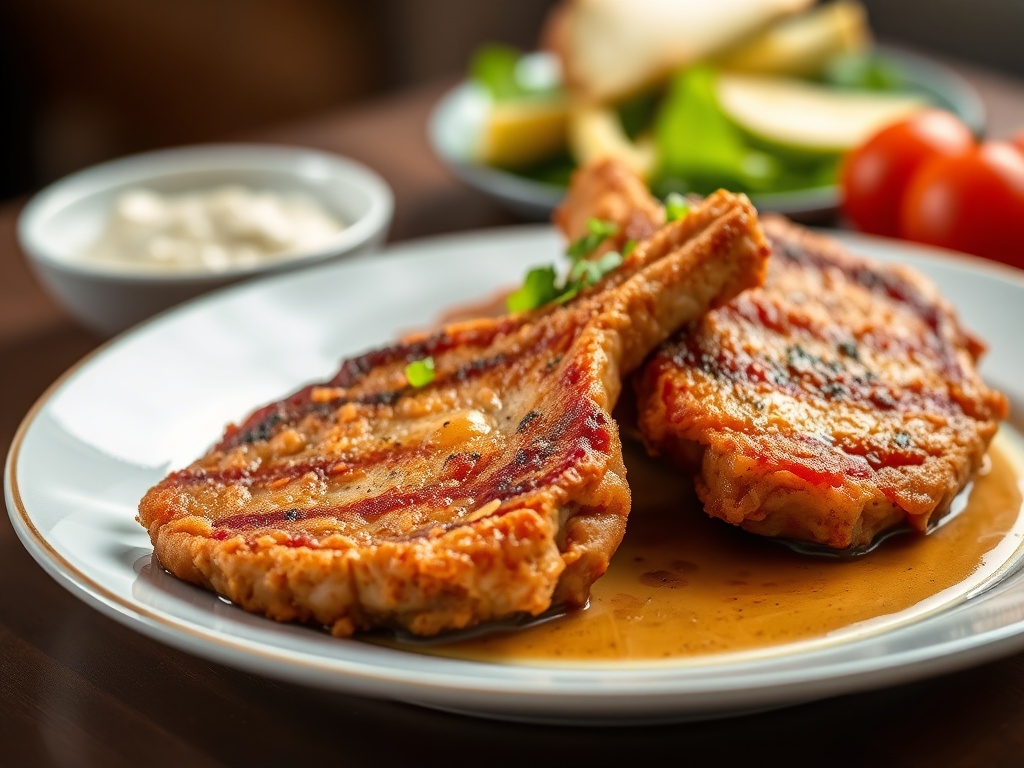
Pan-fried pork chops are a weeknight wonder, a culinary classic that effortlessly marries simplicity with profound satisfaction. There’s something undeniably comforting and deeply gratifying about a perfectly cooked pork chop – one that boasts a beautifully seared, golden-brown crust giving way to incredibly tender, juicy meat. This dish isn’t just a meal; it’s a testament to the power of fundamental cooking techniques and quality ingredients, proving that extraordinary flavor doesn’t require an encyclopedic cookbook or hours spent toiling in the kitchen. It’s a versatile staple that can anchor a hearty family dinner or be elevated for a more special occasion, always delivering on its promise of deliciousness.
What makes our pan-fried pork chop recipe stand out is its unwavering focus on maximizing flavor and achieving that coveted texture with minimal fuss. We’ll guide you through each crucial step, from selecting the right cut of pork to mastering the art of the perfect sear and, most importantly, ensuring your chops remain incredibly juicy. Forget dry, tough pork – this recipe is engineered for success, even for the most novice home cook. We strip away the complexities and zero in on the core principles that transform a humble cut of meat into a culinary triumph, making it accessible and enjoyable for everyone.
You’ll discover how simple techniques, like bringing your pork to room temperature and using the right pan, can dramatically impact the final outcome. We’ll also explore how a thoughtful blend of seasonings, beyond just salt and pepper, can elevate the pork’s natural savory notes, creating a dish that is both familiar and exciting. Get ready to impress yourself and your loved ones with pan-fried pork chops that are crispy on the outside, succulent on the inside, and bursting with perfectly balanced flavor – a truly satisfying meal that will quickly become a cherished part of your culinary repertoire.
Nutritional Information
Per serving (approximate values):
- Calories: 350
- Protein: 40g
- Carbohydrates: 1g
- Fat: 20g
- Fiber: 0g
- Sodium: 600mg
Ingredients
- 4 bone-in or boneless pork chops, 3/4 to 1-inch thick (about 6-8 oz each)
- 1 tablespoon olive oil or other high smoke point oil (canola, grapeseed, vegetable)
- 2 tablespoons unsalted butter (optional, for basting)
- 2 cloves garlic, smashed (optional, for basting)
- 2 sprigs fresh rosemary or thyme (optional, for basting)
- 1 teaspoon sea salt, plus more to taste
- 1/2 teaspoon black pepper, freshly ground, plus more to taste
- 1/2 teaspoon garlic powder
- 1/2 teaspoon onion powder
- 1/4 teaspoon smoked paprika (optional, for extra flavor)
Instructions
- Prepare the Pork Chops: Remove pork chops from the refrigerator and let them sit at room temperature for 15-30 minutes. This helps them cook more evenly. Pat the pork chops very dry on both sides with paper towels. This step is crucial for achieving a good sear and crispy crust.
- Season Generously: In a small bowl, combine the salt, black pepper, garlic powder, onion powder, and smoked paprika (if using). Sprinkle this seasoning blend generously over both sides of each pork chop, pressing it gently into the meat to adhere. Don’t be shy with the seasoning; pork can handle it.
- Preheat the Pan: Place a heavy-bottomed skillet, preferably cast iron, over medium-high heat. Allow the pan to heat for 3-5 minutes until it’s very hot. A good test is to flick a few drops of water into the pan; if they sizzle and evaporate immediately, the pan is ready.
- Add Oil and Sear: Add the olive oil to the hot pan, swirling to coat the bottom. Carefully place the seasoned pork chops into the hot pan in a single layer. Ensure not to overcrowd the pan; if necessary, cook in two batches to maintain high heat and achieve a proper sear.
- Sear the First Side: Sear the pork chops for 3-5 minutes on the first side without moving them. This allows a beautiful golden-brown crust to form. You’ll know it’s ready to flip when the edges look cooked and the crust is well-developed.
- Flip and Finish Cooking: Flip the pork chops to the second side. Reduce the heat to medium. Continue to cook for another 3-5 minutes, or until an instant-read meat thermometer inserted into the thickest part of the chop (avoiding the bone) registers 140-145°F (60-63°C).
- Baste (Optional but Recommended): For the last 2-3 minutes of cooking, if desired, add the butter, smashed garlic cloves, and fresh rosemary or thyme sprigs to the pan. Once the butter is melted, tilt the pan slightly and use a spoon to continuously baste the pork chops with the flavorful butter, garlic, and herb mixture. This adds incredible flavor and helps create an even richer crust.
- Rest the Chops: Once the pork chops reach the desired internal temperature, remove them from the pan and transfer them to a cutting board or plate. Tent them loosely with aluminum foil and let them rest for at least 5-10 minutes. This critical step allows the juices to redistribute throughout the meat, resulting in a much juicier and more tender chop.
- Serve: After resting, the internal temperature will rise a few degrees to the target 145°F (63°C). Serve immediately with your favorite sides and enjoy your perfectly pan-fried pork chops!
Cooking Tips and Variations
Achieving the perfect pan-fried pork chop is all about understanding a few key principles. First and foremost, resist the urge to overcook! Pork is notoriously lean, and cooking it beyond an internal temperature of 145°F (63°C) will almost guarantee a dry, tough result. An instant-read thermometer is your best friend here. Also, don’t skip the crucial step of bringing your pork to room temperature before cooking; this ensures more even heat penetration and prevents the outside from burning before the inside is done. Patting the chops thoroughly dry is another non-negotiable step for a crispy crust, as moisture creates steam and inhibits browning. For the best sear, use a heavy-bottomed skillet, ideally cast iron, which retains heat exceptionally well and distributes it evenly. Make sure your pan is screaming hot before adding the oil and then the pork. When searing, avoid moving the chops for the first few minutes on each side; this allows that beautiful crust to develop without interruption. If your chops are thicker than 1 inch, you might need to finish them in a preheated oven at 375°F (190°C) for a few minutes after searing to ensure they cook through without drying out.
For flavor variations, the possibilities are endless. To add a spicy kick, incorporate a pinch of cayenne pepper or chili powder into your seasoning blend. For an herbier profile, dried rosemary, thyme, or sage can be mixed in, or fresh sprigs can be added to the pan during the basting stage. A touch of smoked paprika introduces a lovely, subtle smokiness. You can also create a simple marinade for added tenderness and flavor; a quick brine, made with salt and water for 15-30 minutes before cooking, is an excellent way to guarantee juicy chops. For a tangy twist, a splash of apple cider vinegar or lemon juice can be added to the pan after the chops are removed, along with a knob of butter, to create a quick pan sauce. Don’t forget the power of compound butter – mixing softened butter with minced garlic, fresh herbs, and a squeeze of lemon juice, then melting a pat over the hot, rested chops, adds an incredible burst of flavor and richness.
Storage and Reheating
Proper storage and reheating are key to enjoying your delicious pan-fried pork chops as leftovers without sacrificing their quality. Once cooked and cooled, place any leftover pork chops in an airtight container. They will keep well in the refrigerator for 3 to 4 days. For longer storage, you can freeze cooked pork chops. Wrap each chop individually in plastic wrap, then place them together in a freezer-safe bag or container. They can be frozen for up to 2-3 months. Thaw frozen chops overnight in the refrigerator before reheating.
When it comes to reheating, the goal is to warm the chops through without drying them out, which is a common challenge with lean meats. The best method for reheating is in the oven. Preheat your oven to 300-325°F (150-160°C). Place the pork chops in an oven-safe dish, adding a tablespoon or two of chicken broth or water to the bottom of the dish to create some steam and prevent drying. Cover the dish tightly with aluminum foil. Reheat for 10-15 minutes, or until warmed through. Alternatively, you can gently reheat them on the stovetop over low to medium-low heat in a skillet with a small amount of broth or water, covered, flipping occasionally until warm. Avoid reheating in the microwave, as this method tends to make the pork tough and rubbery.
Frequently Asked Questions
How do I prevent my pork chops from drying out?
The most common reason for dry pork chops is overcooking. Use an instant-read meat thermometer and aim for an internal temperature of 140-145°F (60-63°C) before resting, as the temperature will rise slightly during resting. Additionally, letting the chops come to room temperature before cooking, patting them very dry, and resting them for 5-10 minutes after cooking are crucial steps to ensure juiciness. A quick brine (15-30 minutes in salt water) can also significantly help retain moisture.
What kind of pan is best for pan-frying pork chops?
A heavy-bottomed skillet, particularly cast iron, is highly recommended for pan-frying pork chops. Cast iron skillets excel at retaining and distributing heat evenly, which is essential for developing a beautiful, consistent sear and crust on the chops. Stainless steel or other heavy-duty skillets can also work well, but avoid thin or lightweight pans that don’t hold heat effectively.
Can I use boneless pork chops instead of bone-in?
Yes, you can absolutely use boneless pork chops. Boneless chops will typically cook a bit faster than bone-in chops of the same thickness, so keep a closer eye on their internal temperature to prevent overcooking. Bone-in chops often offer a bit more flavor and can stay slightly juicier due to the bone, but boneless are convenient and cook beautifully when prepared correctly.
How do I get a good crust on my pork chops?
Achieving a perfect crust relies on a few key factors: ensure your pork chops are patted very dry before seasoning, use a hot pan (preferably cast iron) with a high smoke point oil, and don’t overcrowd the pan. Place the chops in the hot pan and resist the urge to move them for the first 3-5 minutes on each side. This undisturbed searing time allows the Maillard reaction to occur, creating that desirable golden-brown and crispy crust.