Introduction
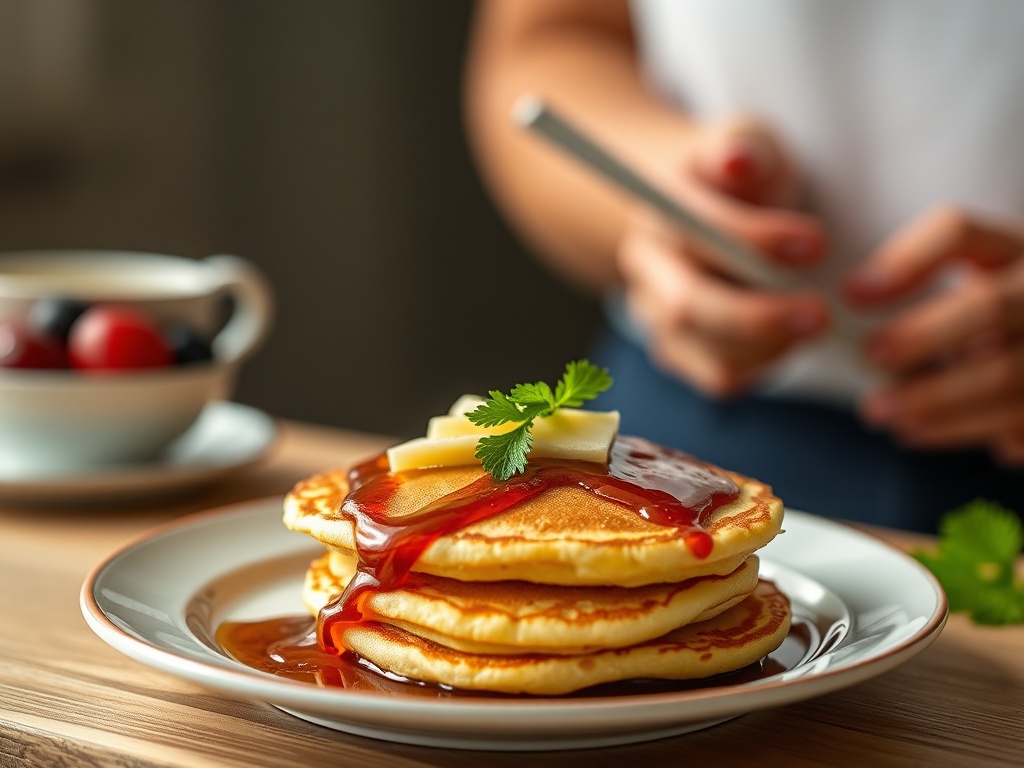
Imagine golden-edged, impossibly light, and delightfully airy individual servings of pure breakfast joy. That’s exactly what you get with Mini German Pancakes! Often known as Dutch Babies, these culinary chameleons bridge the gap between a delicate crepe and a fluffy pancake, but with a dramatic flair all their own. Baked in the oven, they puff up like edible soufflés, creating a stunning presentation that’s as impressive as it is delicious. The mini version takes all the charm of its larger counterpart and packages it into perfectly portioned bites, making them an instant favorite for any meal.
What makes Mini German Pancakes so special? For starters, their individual size means no fussing with slicing or serving a large, unwieldy pancake. This makes them ideal for entertaining, whether you’re hosting a sophisticated brunch or a casual family breakfast. They cook faster than a single large Dutch Baby, and the smaller format is incredibly fun for kids (and adults!) to customize with their favorite toppings. Each mini pancake boasts a wonderfully complex texture: a crispy, buttery perimeter gives way to a soft, custardy interior that practically melts in your mouth. The subtle sweetness and rich, eggy flavor provide the perfect canvas for both classic and creative embellishments.
While often called “German Pancakes,” their roots are commonly traced back to American adaptations of a traditional German Pfannkuchen, popularized in a Seattle restaurant in the early 20th century, where they were dubbed “Dutch Babies.” The “Dutch” part is believed to be a corruption of “Deutsch,” meaning German. Regardless of their exact lineage, these mini marvels promise a breakfast experience that’s both elegant and utterly comforting. Get ready to transform simple ingredients into a truly unforgettable treat that will have everyone asking for more!
Nutritional Information
Per serving (approximate values for 1 mini pancake, based on 12 servings):
- Calories: 110
- Protein: 4g
- Carbohydrates: 10g
- Fat: 6g
- Fiber: 0.5g
- Sodium: 60mg
Ingredients
- 3 large eggs
- 1/2 cup whole milk
- 1/2 cup all-purpose flour
- 2 tablespoons granulated sugar
- 1/4 teaspoon salt
- 1 teaspoon vanilla extract (optional, but highly recommended)
- 3 tablespoons unsalted butter, melted (plus extra for greasing the muffin tin)
Instructions
- Preheat your oven to 425°F (220°C). Place 12 wells of a standard muffin tin (or 6 wells of a jumbo muffin tin, or 6 popover pan wells) in the oven while it preheats. This step is crucial for getting that dramatic puff!
- While the muffin tin is preheating, prepare the batter. In a blender, combine the eggs, milk, all-purpose flour, granulated sugar, salt, and vanilla extract (if using). Blend on high speed until the batter is completely smooth and no lumps of flour remain, about 30 seconds to 1 minute. Alternatively, you can whisk the ingredients vigorously in a bowl until smooth, but a blender yields the smoothest, most consistent batter, which contributes to a better puff.
- Carefully remove the hot muffin tin from the oven. Add about 1/4 to 1/2 teaspoon of melted butter to the bottom of each muffin well. Swirl the butter around to coat the bottom and sides of each well. The butter should sizzle slightly as it hits the hot metal.
- Pour the prepared batter evenly into each buttered muffin well. Fill each well about two-thirds full. Do not overfill, as the pancakes will puff up quite a bit.
- Immediately return the muffin tin to the preheated oven. Bake for 15-20 minutes, or until the mini pancakes are dramatically puffed, golden brown around the edges, and cooked through. The center may still be slightly custardy.
- Remove the muffin tin from the oven. The mini German pancakes will begin to deflate almost immediately upon cooling, which is completely normal and expected.
- Carefully remove the mini pancakes from the muffin tin using a small spatula or butter knife. Serve them immediately while they are still warm and at their fluffiest.
Cooking Tips and Variations
The magic of Mini German Pancakes lies in their dramatic puff, and a few key tips can help you achieve perfection every time. First and foremost, the heat is your best friend. Ensure your oven is fully preheated to 425°F (220°C) and, importantly, preheat your muffin tin along with the oven. This creates a scorching hot surface that causes the batter to rapidly expand, forming those signature crispy edges and airy centers. When adding the melted butter to the hot wells, it should sizzle immediately; this indicates the pan is hot enough. Speed is also essential once the pan is out of the oven. Add the butter, pour the batter, and get the tin back into the oven as quickly as possible to maintain that high heat.
Another crucial tip for success is the batter consistency. While whisking by hand is acceptable, using a blender for your batter is highly recommended. It ensures a perfectly smooth, lump-free mixture, which is vital for an even rise and delicate texture. Blend for about 30-60 seconds until no flour streaks remain. Don’t overmix, though, as this can develop the gluten too much, leading to a tougher pancake. For optimal puff, resist the urge to open the oven door during the baking process. Peeking can cause a sudden drop in temperature, which can lead to premature deflation.
The beauty of Mini German Pancakes also lies in their versatility. For a classic sweet treat, a dusting of powdered sugar and a squeeze of fresh lemon juice is unbeatable; the tartness of the lemon beautifully cuts through the richness of the pancake. Maple syrup, fresh berries, or a dollop of whipped cream are also always welcome additions. Want to get more creative? Try a fruit compote (berry, apple, or peach work wonderfully), a drizzle of chocolate or caramel sauce, or a spread of Nutella. For a touch of indulgence, sprinkle on some toasted nuts like pecans or almonds. If you’re feeling adventurous, these mini pancakes can also lean savory! Skip the sugar and vanilla in the batter, and instead, sprinkle in some shredded cheese, fresh herbs like chives or thyme, or even cooked crumbled bacon bits into the wells before baking. Serve savory versions with a side of sour cream, salsa, or a fried egg for a unique twist on breakfast or brunch.
Storage and Reheating
Mini German Pancakes are truly at their best when served immediately, fresh out of the oven, while they are still warm and exhibit their beautiful, albeit temporary, puff. However, if you find yourself with leftovers or wish to prepare them slightly in advance, proper storage and reheating methods can help maintain their quality.
To store leftover Mini German Pancakes, allow them to cool completely to room temperature. Once cooled, they will have deflated, which is perfectly normal. Place them in an airtight container or a resealable plastic bag. They can be stored in the refrigerator for up to 2-3 days. While the texture won’t be as light and airy as when fresh, they will still be delicious.
For reheating, the best method to revive some of their crispness is in the oven or a toaster oven. Preheat your oven to 350°F (175°C). Place the cooled pancakes on a baking sheet and heat for about 5-7 minutes, or until they are warmed through and the edges have crisped up slightly. Avoid microwaving, as this tends to make them soft and chewy rather than crisp. If you’re in a hurry, you can gently pan-fry them in a lightly buttered skillet over medium heat for a couple of minutes per side until warmed and slightly re-crisped. Remember that they will not re-puff to their original height after reheating, but they will still be a delightful treat, especially with your favorite toppings.
If you want to prepare ahead, you can make the batter up to 24 hours in advance. Store the batter in an airtight container in the refrigerator. Give it a good whisk or blend again just before pouring into the hot muffin tins, as the flour may settle at the bottom. This allows for quick assembly on busy mornings, so you can enjoy fresh, warm Mini German Pancakes with minimal fuss.
Frequently Asked Questions
Why did my Mini German Pancakes deflate?
It’s completely normal for Mini German Pancakes to deflate shortly after being removed from the oven. This dramatic puff and subsequent deflation is a characteristic of this type of pancake (and Dutch Babies in general). The puff is caused by steam rapidly expanding within the batter in a very hot oven. Once removed from the heat, the steam condenses, and the structure relaxes, causing them to fall. Don’t worry, they are still perfectly delicious!
Can I make the batter ahead of time?
Yes, you can! The batter for Mini German Pancakes can be prepared up to 24 hours in advance. Store it in an airtight container in the refrigerator. Before using, give the batter a good whisk or a quick blend to reincorporate any ingredients that may have settled. This makes them a great option for a quick and impressive breakfast on a busy morning.
What’s the difference between a German Pancake and a Dutch Baby?
While the names are often used interchangeably today, “German Pancake” is a broad term for a thin, crepe-like pancake (Pfannkuchen). A “Dutch Baby” is a specific type of large, oven-baked German pancake, believed to have originated in the U.S. in the early 20th century. Mini German Pancakes are simply smaller, individual versions of this oven-baked “Dutch Baby” style pancake, typically cooked in muffin tins.
Can I use milk alternatives for this recipe?
Yes, you can often substitute whole milk with non-dairy alternatives like almond milk, soy milk, or oat milk. Keep in mind that the fat content and flavor profile of the milk alternative might slightly alter the final texture and richness of the pancakes. Whole milk tends to yield the richest and most tender results, but most plant-based milks will work well.