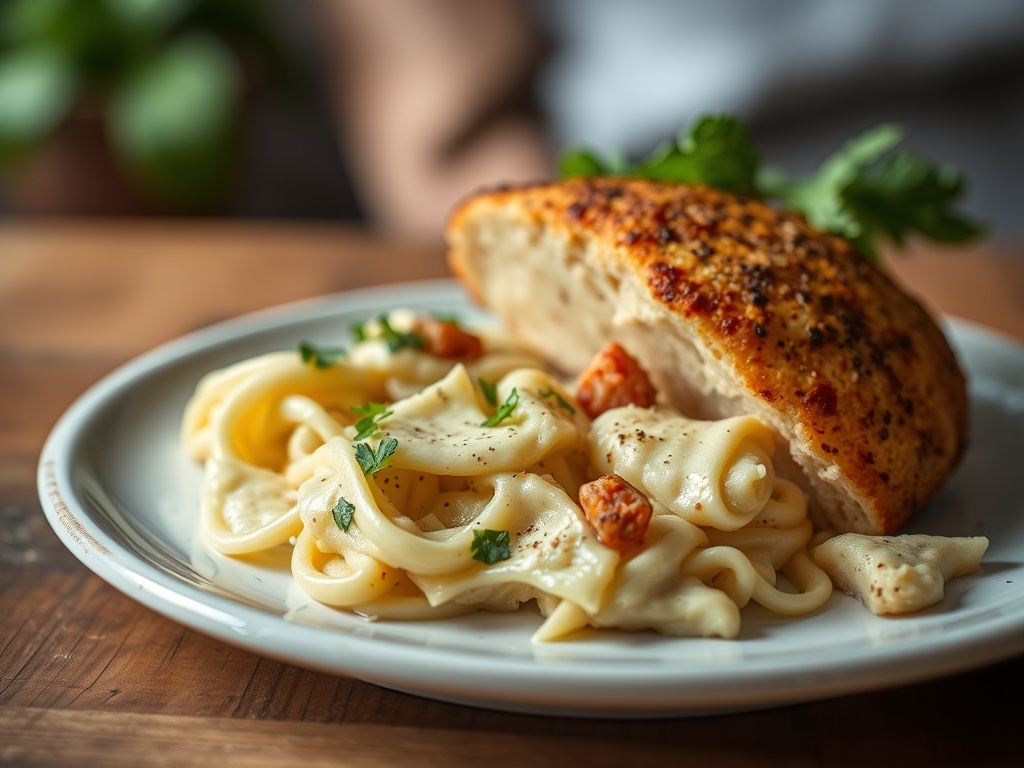
Looking for a quick, flour-free recipe
Are you tired of quick meals that leave you feeling heavy, bloated, or guilty? In a world where convenience often comes hand-in-hand with processed ingredients and refined flours, finding a truly healthy, satisfying, and speedy dish can feel like searching for a culinary unicorn. Many of us yearn for nourishing options that fit our busy lives, cater to dietary needs like gluten-free or low-carb, or simply align with a desire for cleaner, more wholesome eating. The good news? The flour-free revolution is here, proving that you don’t need traditional flours to create incredibly delicious, easy, and satisfying meals.
This recipe for Lemon Herb Salmon with Roasted Asparagus is your answer to that quest. It’s a vibrant, flavorful dish that celebrates fresh ingredients and minimal fuss, designed to get a wholesome meal on your table in under 30 minutes. Forget the heavy sauces and carb-laden sides; this recipe focuses on lean protein, nutrient-packed vegetables, and bright, zesty flavors that truly shine. It’s naturally gluten-free, low-carb, and packed with Omega-3s, making it an excellent choice for anyone looking to boost their health without sacrificing taste or time.
What makes this Lemon Herb Salmon with Roasted Asparagus truly stand out is its elegant simplicity. With just a handful of ingredients, you’ll create a meal that feels gourmet but requires basic cooking skills and minimal cleanup. The salmon bakes to flaky perfection, infused with aromatic herbs and bright lemon, while the asparagus caramelizes slightly, offering a delightful tender-crisp texture. It’s a testament to how focusing on whole, unprocessed ingredients can lead to truly exceptional results, proving that flour-free doesn’t mean flavor-free – it means flavor amplified.
Nutritional Information
Per serving (approximate values):
- Calories: 380
- Protein: 35g
- Carbohydrates: 8g
- Fat: 22g
- Fiber: 3g
- Sodium: 350mg
Ingredients
- 2 (6 oz / 170g) salmon fillets, skin on or off
- 1 lb (450g) asparagus, tough ends trimmed
- 2 tablespoons olive oil, divided
- 1 lemon, half thinly sliced, half for juice
- 2 cloves garlic, minced
- 1 teaspoon dried dill or 1 tablespoon fresh chopped dill
- 1/2 teaspoon dried parsley or 1 tablespoon fresh chopped parsley
- 1/4 teaspoon black pepper
- 1/2 teaspoon sea salt, plus more to taste
- Optional: fresh lemon wedges and chopped fresh parsley for garnish
Instructions
- Preheat your oven to 400°F (200°C). Line a large baking sheet with parchment paper for easier cleanup.
- In a small bowl, combine 1 tablespoon of olive oil, minced garlic, dried dill, dried parsley, 1/4 teaspoon black pepper, and 1/4 teaspoon sea salt. Squeeze the juice from one half of the lemon into this mixture and stir well to create your herb marinade.
- Place the salmon fillets on one side of the prepared baking sheet. Pat them dry with a paper towel. Spoon or brush about half of the herb marinade evenly over the top of each salmon fillet. Arrange a few thin lemon slices on top of each salmon fillet.
- On the other side of the baking sheet, arrange the trimmed asparagus in a single layer. Drizzle the remaining 1 tablespoon of olive oil over the asparagus. Sprinkle with the remaining 1/4 teaspoon sea salt and 1/4 teaspoon black pepper. Toss gently to coat.
- Place the baking sheet in the preheated oven and roast for 12-18 minutes, or until the salmon is cooked through and flakes easily with a fork, and the asparagus is tender-crisp. Cooking time will vary depending on the thickness of your salmon fillets and your desired doneness for the asparagus.
- Once cooked, carefully remove the baking sheet from the oven.
- Serve immediately with fresh lemon wedges and an optional sprinkle of fresh chopped parsley for extra brightness and flavor.
Cooking Tips and Variations
For the best results with your Lemon Herb Salmon and Roasted Asparagus, always start with fresh, high-quality ingredients. Patting the salmon dry before applying the marinade helps the flavors adhere better and promotes a nicer crust. Don’t overcrowd the baking sheet; if your salmon and asparagus don’t fit comfortably in a single layer, use two baking sheets to ensure everything roasts evenly and doesn’t steam. Keep an eye on the cooking time, as thinner salmon fillets will cook faster, and overcooked salmon can become dry. The asparagus should be vibrant green and tender with a slight bite, not limp.
This recipe is incredibly versatile. For different protein options, try using cod, halibut, or even chicken breasts (adjust cooking time accordingly). If asparagus isn’t in season or you prefer another vegetable, broccoli florets, green beans, or bell peppers make excellent substitutes. Just ensure they are cut into similar-sized pieces for even roasting. To boost the flavor profile, consider adding a pinch of red pepper flakes to the marinade for a subtle kick, or a teaspoon of smoked paprika for a smoky depth. A sprinkle of Parmesan cheese over the asparagus during the last few minutes of roasting also adds a delicious savory note. You can also experiment with different fresh herbs like thyme or rosemary instead of dill and parsley.
Storage and Reheating
This Lemon Herb Salmon with Roasted Asparagus is best enjoyed fresh, right out of the oven, when the salmon is flaky and the asparagus is perfectly tender-crisp. However, if you have leftovers, they can be stored safely for later enjoyment. Allow the dish to cool completely to room temperature before transferring it to an airtight container. Store the salmon and asparagus separately if possible, as the asparagus might become softer if stored directly with the fish. Refrigerate promptly and consume within 2-3 days.
When reheating, it’s important to do so gently to prevent the salmon from drying out and the asparagus from becoming mushy. For best results, use an oven or toaster oven: preheat to 300°F (150°C), place the salmon and asparagus on a baking sheet, and heat for about 10-15 minutes, or until just warmed through. You can also reheat in a microwave, but be mindful that this can sometimes alter the texture of the salmon and may make the asparagus softer. Use short intervals (30-60 seconds) until heated through, checking frequently. A splash of water or a damp paper towel over the salmon can help retain moisture during microwave reheating.
Frequently Asked Questions
What makes this recipe flour-free?
This recipe is naturally flour-free because it relies on whole, unprocessed ingredients: salmon, asparagus, olive oil, lemon, garlic, and herbs. There are no grains, starches, or flours of any kind used in its preparation, making it suitable for gluten-free, low-carb, and keto diets, or simply for those looking to reduce their intake of refined carbohydrates.
Can I prepare any components of this dish ahead of time?
Absolutely! You can prepare the herb marinade up to 24 hours in advance and store it in an airtight container in the refrigerator. You can also trim the asparagus ahead of time and store it in the fridge. For the salmon, it’s best to marinate it just before cooking (about 10-15 minutes is sufficient for this recipe) to ensure optimal freshness and prevent it from becoming ‘cooked’ by the lemon juice.
What side dishes pair well with Lemon Herb Salmon and Roasted Asparagus?
This dish is quite complete on its own, but if you’re looking for additional sides, consider a simple green salad with a vinaigrette dressing, cauliflower rice, quinoa (if not strictly flour-free/low-carb), or even a small serving of roasted sweet potatoes for a touch of sweetness and extra fiber. The lightness of the main dish allows for a variety of complementary flavors.
How do I know when the salmon is perfectly cooked?
Salmon is cooked when it reaches an internal temperature of 145°F (63°C). Visually, it should flake easily with a fork when gently pressed in its thickest part, and the flesh should appear opaque throughout. Be careful not to overcook it, as salmon can quickly become dry and less flavorful if left in the oven for too long.