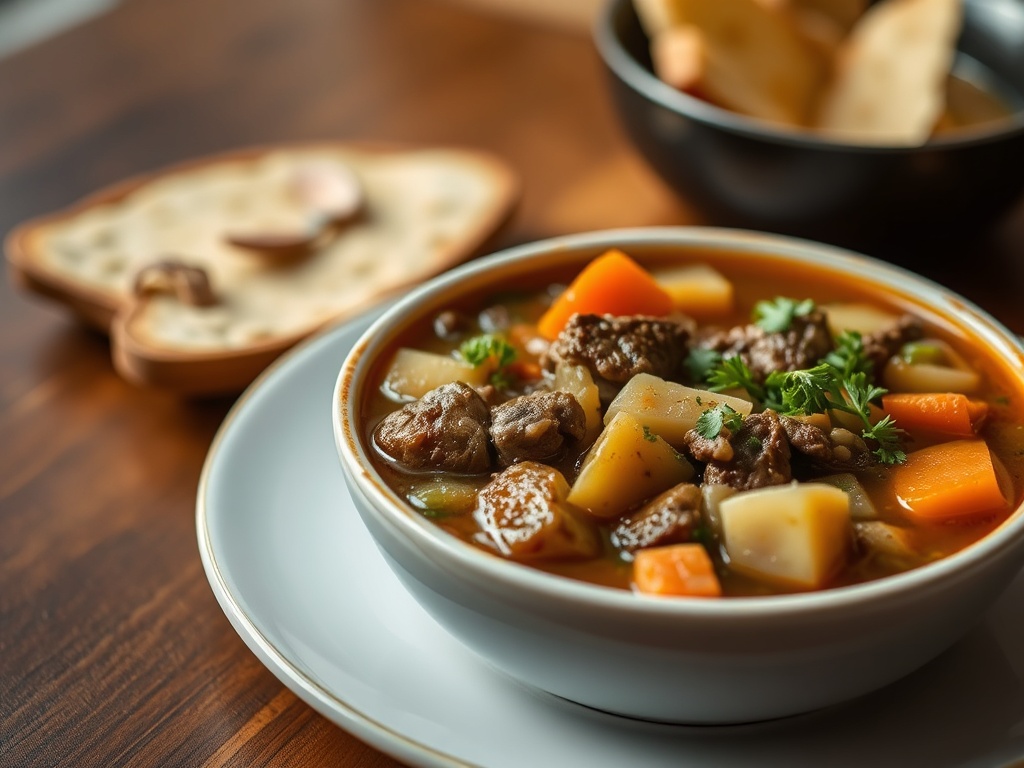
There’s something undeniably magical about a steaming bowl of homemade beef vegetable soup, especially when the air turns crisp and a cozy warmth is exactly what the soul craves. It’s more than just a meal; it’s a hug in a bowl, a comforting memory of simpler times, and an aroma that instantly transforms your kitchen into the heart of a loving home. This isn’t just any soup; it’s a culinary journey back to the basics, where wholesome ingredients and patient simmering create a depth of flavor that modern shortcuts simply can’t replicate. Each spoonful delivers a symphony of tender beef, sweet vegetables, and a rich, savory broth that nourishes both body and spirit.
This recipe isn’t just about ingredients; it’s about capturing the essence of a bygone era, a time when meals were prepared with care and love, and often stretched to feed a bustling family. We’re talking about that classic, robust flavor profile that tastes like grandma’s kitchen – hearty, deeply satisfying, and utterly authentic. What makes this particular old-fashioned beef vegetable soup stand out is its commitment to building layers of flavor from the ground up, starting with perfectly seared beef and a fragrant aromatic base, allowing each component to contribute to a truly unforgettable experience. It’s a testament to the power of slow cooking, transforming humble ingredients into something extraordinary.
You can expect a straightforward, easy-to-follow recipe that yields a pot of soup so flavorful, it will become a regular in your meal rotation. Perfect for a chilly evening, a comforting weekend meal, or even as a make-ahead option for busy weekdays, this soup is incredibly versatile and forgiving. Prepare to fill your home with an irresistible aroma and gather your loved ones around for a truly heartwarming meal. Don’t just read about it; let’s get cooking and bring this timeless comfort food to your table!
Nutritional Information
Per serving (approximate values):
- Calories: 380
- Protein: 35g
- Carbohydrates: 30g
- Fat: 15g
- Fiber: 6g
- Sodium: 850mg
Ingredients
- 2 tablespoons olive oil
- 2 pounds boneless beef chuck roast or stew meat, cut into 1-inch cubes
- 1 large yellow onion, chopped
- 2 large carrots, peeled and diced
- 2 celery stalks, diced
- 4 cloves garlic, minced
- 6 cups beef broth (low sodium preferred)
- 1 (28-ounce) can crushed tomatoes
- 1 (14.5-ounce) can diced tomatoes, undrained
- 2 tablespoons tomato paste
- 1 tablespoon Worcestershire sauce
- 2 bay leaves
- 1 teaspoon dried thyme
- 1 teaspoon salt, or to taste
- ½ teaspoon black pepper, or to taste
- 3 medium Yukon Gold potatoes, peeled and cut into ½-inch cubes
- 1 ½ cups frozen cut green beans
- 1 cup frozen corn kernels
- ½ cup frozen peas
- ¼ cup fresh parsley, chopped (for garnish, optional)
- Optional: ¼ cup dry red wine (like Cabernet Sauvignon or Merlot) for deglazing
- Optional: 1 teaspoon sugar (to balance acidity of tomatoes)
Instructions
- Prepare the Beef: Pat the beef cubes dry with paper towels. Season generously with salt and pepper. This step is crucial for developing a flavorful crust.
- Sear the Beef: Heat olive oil in a large Dutch oven or heavy-bottomed pot over medium-high heat until shimmering. Working in batches if necessary to avoid overcrowding the pot, sear the beef cubes on all sides until deeply browned. This browning creates a rich, complex flavor base for your soup. Remove the seared beef to a plate and set aside.
- Sauté Aromatics: Reduce the heat to medium. Add the chopped onion, carrots, and celery to the pot. Sauté for 5-7 minutes, stirring occasionally, until the vegetables soften and the onion becomes translucent. Scrape up any browned bits from the bottom of the pot as you stir.
- Add Garlic and Tomato Paste: Stir in the minced garlic and tomato paste. Cook for another 1-2 minutes, stirring constantly, until the garlic is fragrant and the tomato paste has deepened in color. This lightly toasts the tomato paste, intensifying its flavor.
- Deglaze (Optional): If using red wine, pour it into the pot and scrape the bottom vigorously with a wooden spoon to loosen any remaining browned bits. Let the wine simmer for 2-3 minutes, allowing most of the alcohol to evaporate.
- Build the Broth: Return the seared beef to the pot. Pour in the beef broth, crushed tomatoes, and diced tomatoes (undrained). Add the Worcestershire sauce, bay leaves, dried thyme, and the initial salt and pepper. If using, add the optional sugar now. Stir everything together.
- Simmer for Tenderness: Bring the soup to a boil, then immediately reduce the heat to low, cover the pot, and let it simmer gently for 1.5 to 2 hours, or until the beef is fork-tender. Stir occasionally to prevent sticking and ensure even cooking.
- Add Hearty Vegetables: After the beef is tender, add the cubed potatoes to the pot. Continue to simmer, uncovered, for another 15-20 minutes, or until the potatoes are tender.
- Add Remaining Vegetables: Stir in the frozen green beans, corn, and peas. Cook for an additional 5-7 minutes, or until all the vegetables are heated through and tender-crisp. Avoid overcooking the frozen vegetables to maintain their texture and bright color.
- Final Adjustments: Remove the bay leaves. Taste the soup and adjust seasonings as needed, adding more salt, pepper, or Worcestershire sauce if desired. If you prefer a slightly thicker soup, see the “Thickening Options” in the tips section below.
- Serve: Ladle the hot soup into bowls. Garnish with fresh chopped parsley, if using, and serve immediately with your favorite crusty bread.
Cooking Tips and Variations
Achieving Tender Beef: The secret to melt-in-your-mouth beef is low and slow cooking. Don’t rush the simmering process; allow the chuck roast ample time to break down its connective tissues, resulting in incredibly tender meat. If the beef isn’t tender after the initial simmer, simply continue cooking until it yields easily to a fork.
Flavor Deepening is Key: Don’t skip searing the beef! This step creates a rich, caramelized crust (the Maillard reaction) that adds tremendous depth and umami to the entire soup. Deglazing the pot after sautéing the aromatics and before adding the liquids helps capture all those flavorful browned bits, incorporating them into the broth for an even more complex taste profile.
Vegetable Flexibility: This recipe is wonderfully adaptable. Feel free to use whatever seasonal vegetables you have on hand or prefer. Good additions include chopped bell peppers, zucchini (add towards the end to prevent mushiness), diced sweet potatoes, or even a handful of spinach (stir in just before serving until wilted). Just be mindful of cooking times – tougher vegetables like root vegetables should go in earlier, while tender greens or quick-cooking items can be added towards the end.
Make Ahead & Freezing: This soup is a fantastic candidate for meal prepping. The flavors actually meld and deepen overnight, making it even more delicious the next day. It also freezes beautifully. Cook a large batch and store individual portions for quick and comforting meals later. Ensure the soup is completely cooled before transferring to freezer-safe containers.
Thickening Options: If you prefer a thicker soup, you have a few options. For a subtle thickening, you can remove about ½ cup of the cooked potatoes, mash them, and stir them back into the soup. Alternatively, create a cornstarch slurry by whisking 1-2 tablespoons of cornstarch with an equal amount of cold water until smooth. Stir this slurry into the simmering soup and cook for a few minutes until it thickens. Start with a small amount and add more if needed to reach your desired consistency.
Serving Suggestions: This hearty soup is a meal in itself, but it pairs wonderfully with a slice of warm, crusty artisan bread, a fluffy piece of cornbread, or a simple, fresh green salad with a light vinaigrette. A sprinkle of grated Parmesan cheese or a dollop of sour cream can also add a delightful finishing touch.
Variations to Explore:
- Spice It Up: For a touch of heat, add a pinch of red pepper flakes along with the other seasonings.
- Herbaceous Boost: Experiment with other dried or fresh herbs like rosemary or oregano. A sprig of fresh rosemary tied with kitchen twine can be added during the long simmer and removed before serving.
- Broth Blend: While beef broth is traditional, combining beef broth with an equal part of vegetable broth can add another layer of flavor complexity.
- Add Grains: For an even heartier soup, consider adding ½ cup of pearl barley or small pasta shapes like ditalini or elbow macaroni. If adding barley, include it with the potatoes as it requires a similar cooking time. If adding pasta, add it during the last 10-15 minutes of cooking to prevent it from becoming mushy. Note that grains will absorb a lot of liquid, so you may need to add more broth.
Storage and Reheating
Refrigeration Guidelines: Allow the soup to cool completely to room temperature before storing. Transfer the cooled soup to airtight containers. It will keep well in the refrigerator for up to 3-4 days. For best quality and safety, do not leave the soup at room temperature for more than two hours.
Freezing Instructions: Beef vegetable soup freezes exceptionally well. Once completely cooled, transfer the soup to freezer-safe containers or heavy-duty freezer bags, leaving about an inch of headspace to account for expansion. Label with the date. Frozen soup can be stored for up to 3 months. Thaw frozen soup overnight in the refrigerator before reheating, or gently reheat from frozen over low heat on the stovetop, stirring frequently, adding a splash of broth or water if it seems too thick.
Reheating Properly:
- Stovetop: The best way to reheat is on the stovetop. Pour the desired amount of soup into a pot and heat over medium-low heat, stirring occasionally, until it reaches a gentle simmer and is thoroughly heated through. If the soup has thickened significantly during storage, you may want to add a splash of beef broth or water to achieve your desired consistency.
- Microwave: For individual servings, transfer the soup to a microwave-safe bowl. Heat on high in 1-2 minute intervals, stirring between each interval, until hot. Be careful as the bowl and soup can get very hot.
Yield & Prep/Cook Time: This recipe typically yields 8-10 servings. Prep time is approximately 25-30 minutes, and cook time is around 2 hours 15 minutes to 2 hours 45 minutes, depending on how quickly the beef becomes tender.
Frequently Asked Questions
What kind of beef is best for beef vegetable soup?
For an old-fashioned beef vegetable soup, boneless beef chuck roast or stew meat (which is often pre-cut chuck) is highly recommended. These cuts are well-marbled with connective tissue, which breaks down beautifully during long, slow simmering, resulting in incredibly tender, flavorful beef that holds its shape without becoming stringy.
Can I make this soup in a slow cooker?
Absolutely! You can adapt this recipe for a slow cooker. Follow steps 1-5 (searing the beef and sautéing the aromatics) on the stovetop to build flavor. Then, transfer everything (seared beef, sautéed vegetables, broth, tomatoes, seasonings) to your slow cooker. Cook on low for 6-8 hours or on high for 3-4 hours, until the beef is tender. Add the potatoes for the last 1-2 hours of cooking, and the frozen green beans, corn, and peas during the last 30 minutes. This ensures the vegetables don’t become mushy.
How can I make my soup broth richer and more flavorful?
Several factors contribute to a rich broth. First, don’t skip searing the beef; it adds immense depth. Second, sautéing the aromatics (onion, carrots, celery, garlic) and tomato paste until fragrant and slightly caramelized builds a strong flavor base. Using a good quality beef broth or stock, and allowing the soup to simmer for the full recommended time, allows all the flavors to meld and deepen. A splash of red wine for deglazing also adds complexity.
My soup is too thin, how can I thicken it?
If your soup is thinner than you’d like, you have a few options. You can make a cornstarch slurry by whisking 1-2 tablespoons of cornstarch with an equal amount of cold water until smooth, then stirring it into the simmering soup and cooking for a few minutes until thickened. Another natural way is to remove about ½ cup of the cooked potatoes, mash them, and stir them back into the soup. This adds body without altering the flavor significantly. Alternatively, simply continue simmering the soup uncovered for a bit longer to allow some of the liquid to evaporate.
Conclusion
And there you have it – a recipe for Old Fashioned Beef Vegetable Soup that promises to deliver not just a meal, but a profound sense of warmth, comfort, and nostalgia. This isn’t just about satisfying hunger; it’s about nourishing the soul with each savory spoonful, reconnecting with the timeless tradition of home cooking, and filling your kitchen with an aroma that speaks volumes of love and care. The tender beef, the medley of sweet vegetables, and that rich, herbaceous broth all come together to create a culinary masterpiece that truly embodies the essence of comfort food.
We hope this recipe brings as much joy and deliciousness to your table as it does to ours. We’d love to hear about your experience! Did you stick to the classic, or did you add your own unique twist? Share your stories, tips, and any variations you tried in the comments below. Your insights help our community grow and inspire fellow home cooks.
So, gather your ingredients, fire up the stove, and prepare to fill your home with the irresistible aroma of this classic comfort food. There’s nothing quite like a big bowl of homemade beef vegetable soup to make everything feel right in the world. Enjoy your bowl of goodness!