Introduction
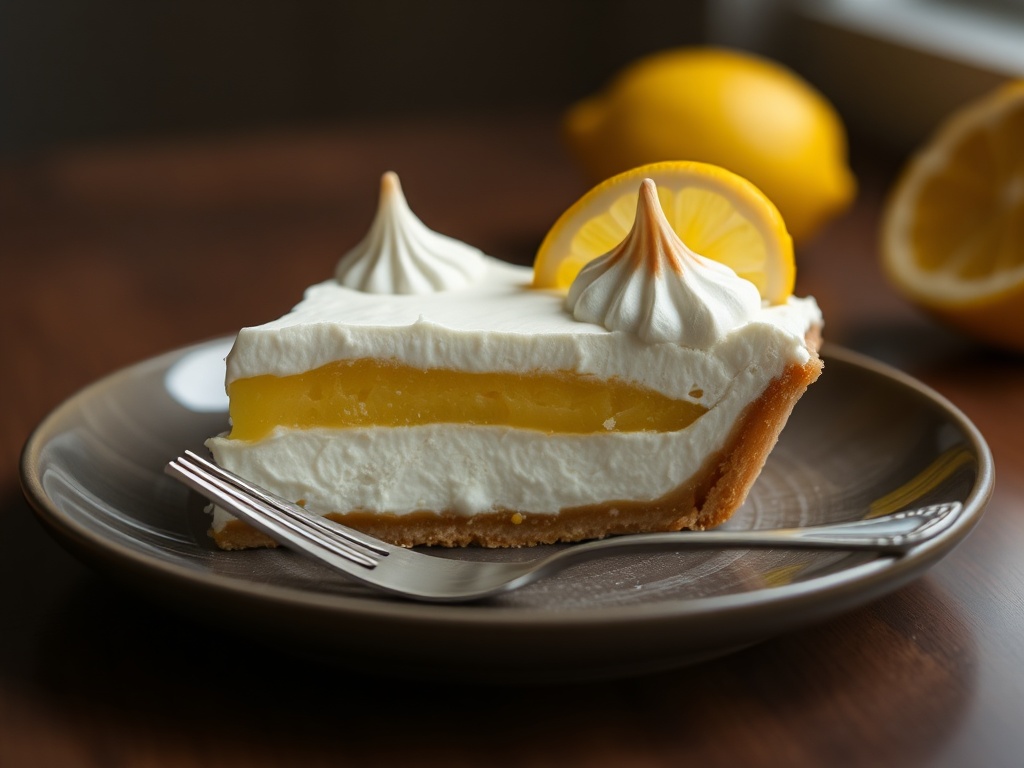
There are some desserts that transcend mere sustenance, becoming instead a cherished memory, a symbol of comfort, and a testament to culinary artistry. Classic Lemon Meringue Pie is unequivocally one such confection. With its vibrant, sun-kissed lemon filling, nestled in a tender, flaky crust, and crowned with a majestic cloud of golden-brown meringue, this pie is a symphony of textures and flavors. It’s a dessert that evokes nostalgia for grandmother’s kitchen, yet remains perpetually chic and universally adored. The magic lies in the exquisite balance: the intense, zesty tang of fresh lemon cutting through the ethereal sweetness of the meringue, all grounded by the buttery richness of the pastry.
Far from being just another sweet treat, a perfectly executed lemon meringue pie is a showstopper, a centerpiece that commands attention and admiration. Its iconic status is well-earned, a result of the careful interplay of simple, high-quality ingredients transformed into something truly extraordinary. Each bite offers a delightful journey, from the crisp shatter of the crust, through the silken, bright lemon curd, to the airy, melt-in-your-mouth meringue. It’s a dessert that speaks of celebration, of warmth, and of the pure joy found in a well-made classic.
While the idea of making this masterpiece from scratch might seem daunting to some, we promise that the rewarding experience of creating your own Classic Lemon Meringue Pie is unparalleled. This guide will demystify the process, breaking down each component – the perfect flaky crust, the vibrant, smooth lemon filling, and the stable, cloud-like meringue – into achievable steps. We’ll equip you with the knowledge and tips needed to conquer common challenges, ensuring your homemade pie is not just good, but truly spectacular. Prepare to impress your taste buds and your guests with this timeless delight!
Nutritional Information
Per serving (approximate values):
- Calories: 420
- Protein: 7g
- Carbohydrates: 55g
- Fat: 20g
- Fiber: 1g
- Sodium: 250mg
Ingredients
For the Pie Crust:
- 1 ¼ cups all-purpose flour, plus more for dusting
- ½ teaspoon salt
- ½ cup (1 stick) unsalted butter, very cold and cut into ½-inch cubes
- ¼ cup ice water, plus more if needed
For the Lemon Filling:
- 1 ½ cups granulated sugar
- ⅓ cup cornstarch
- ¼ teaspoon salt
- 1 ½ cups cold water
- 3 large egg yolks, lightly beaten
- ½ cup fresh lemon juice (from 3-4 lemons)
- 2 tablespoons unsalted butter
- 1 tablespoon lemon zest (from 1-2 lemons)
For the Meringue:
- 4 large egg whites (ensure no yolk is present)
- ½ teaspoon cream of tartar (optional, but recommended)
- ½ cup granulated sugar
- ½ teaspoon vanilla extract
Instructions
Prepare the Pie Crust:
- In a large bowl, whisk together the flour and salt.
- Add the cold, cubed butter to the flour mixture. Using a pastry blender, your fingertips, or a food processor, cut the butter into the flour until the mixture resembles coarse crumbs with some pea-sized pieces of butter remaining.
- Gradually add the ice water, one tablespoon at a time, mixing until the dough just comes together. Be careful not to overmix.
- Form the dough into a disc, wrap it tightly in plastic wrap, and refrigerate for at least 30 minutes, or up to 2 days.
- On a lightly floured surface, roll out the chilled dough into a 12-inch circle.
- Carefully transfer the dough to a 9-inch pie plate. Trim and crimp the edges as desired.
- Prick the bottom of the crust all over with a fork. Line the crust with parchment paper and fill with pie weights, dried beans, or rice.
- Preheat your oven to 375°F (190°C).
- Blind bake the crust for 15 minutes. Remove the parchment paper and weights, then bake for another 5-7 minutes, or until lightly golden brown.
- Let the baked pie crust cool completely on a wire rack. Reduce oven temperature to 350°F (175°C) for the final baking step.
Prepare the Lemon Filling:
- In a medium saucepan, whisk together the granulated sugar, cornstarch, and salt.
- Gradually whisk in the cold water until smooth.
- Cook over medium heat, stirring constantly, until the mixture thickens and comes to a boil. Boil for 1 minute, continuing to stir.
- Remove from heat. In a separate small bowl, lightly beat the egg yolks. Slowly temper the hot mixture into the egg yolks by gradually whisking about half a cup of the hot mixture into the yolks, then pouring the tempered yolks back into the saucepan with the remaining hot mixture.
- Return the saucepan to medium-low heat and cook, stirring constantly, for 1-2 minutes until the filling thickens further. Do not boil.
- Remove from heat and stir in the fresh lemon juice, butter, and lemon zest until the butter is melted and fully incorporated.
- For an ultra-smooth filling, you can strain it through a fine-mesh sieve to remove any cooked egg bits or large zest pieces.
- Pour the warm lemon filling into the cooled, blind-baked pie crust.
Prepare the Meringue:
- In a very clean, grease-free glass or metal bowl (plastic bowls can retain grease), beat the egg whites with an electric mixer on medium speed until foamy.
- Add the cream of tartar (if using) and continue beating until soft peaks form.
- Gradually add the granulated sugar, about one tablespoon at a time, while continuing to beat on high speed.
- Beat until the meringue is glossy, firm, and holds stiff peaks (when you lift the beaters, the peaks stand straight up without drooping). Beat in the vanilla extract during the last minute.
Assemble and Bake the Pie:
- Immediately spoon or pipe the meringue over the warm lemon filling, ensuring that the meringue touches the crust all around the edges. This creates a seal that helps prevent shrinkage and weeping. Create decorative swirls and peaks with the back of a spoon.
- Bake in the preheated 350°F (175°C) oven for 12-15 minutes, or until the meringue peaks are golden brown. Alternatively, you can brown the meringue with a kitchen torch if you prefer.
- Remove the pie from the oven and let it cool completely on a wire rack at room temperature for at least 1 hour.
- Once cooled, refrigerate the pie for a minimum of 3-4 hours, or preferably overnight, to allow the filling to fully set.
Cooking Tips and Variations
Tips for Best Results:
- Cold Ingredients for Crust: Always use very cold butter and ice water for your pie crust. This prevents the butter from fully incorporating into the flour, creating pockets of steam during baking that result in a flaky texture.
- Don’t Overwork the Dough: Overmixing the pie crust dough develops gluten, leading to a tough crust. Mix just until the ingredients come together.
- Blind Baking is Key: Blind baking prevents a soggy bottom crust, which is essential for a pie with a wet filling like lemon meringue. Don’t skip the pie weights!
- Fresh Lemon is Non-Negotiable: Bottled lemon juice simply cannot compare to the bright, nuanced flavor of fresh lemons. The zest is also crucial for its aromatic oils.
- Temper the Egg Yolks Slowly: When adding the hot filling to the egg yolks, do so gradually and whisk constantly. This prevents the yolks from scrambling and ensures a smooth, creamy filling.
- Constant Stirring for Filling: Stir the lemon filling constantly over medium heat to prevent scorching on the bottom and to ensure even thickening.
- Cleanliness for Meringue: Any trace of grease (from your bowl, whisk, or even a speck of egg yolk) will prevent egg whites from whipping up properly. Use impeccably clean equipment.
- Room Temperature Egg Whites: Egg whites at room temperature whip up to a greater volume and more quickly than cold ones.
- Gradual Sugar Addition to Meringue: Adding sugar slowly allows it to dissolve properly and stabilize the egg whites, resulting in a glossy, stable meringue that’s less prone to weeping.
- Meringue to Edge: Ensure your meringue completely covers the lemon filling and touches the crust all around the perimeter. This creates a seal and helps prevent the meringue from shrinking or “weeping” liquid.
- Chill Thoroughly: Patience is a virtue here! Adequate chilling time allows the lemon filling to set completely, ensuring clean slices and optimal flavor development.
Variations:
- Lime Meringue Pie: Substitute fresh lime juice and zest for the lemon. The flavor will be more intensely tart and wonderfully aromatic.
- Orange Meringue Pie: For a sweeter, milder citrus flavor, use fresh orange juice and zest. You might want to slightly reduce the sugar in the filling depending on the sweetness of your oranges.
- Italian Meringue: For a more stable and less prone to weeping meringue, try Italian meringue. This involves pouring hot sugar syrup into whipping egg whites, creating a very sturdy and silky meringue. It doesn’t require baking for browning.
- Graham Cracker Crust: For a different texture and flavor profile, use a graham cracker crust instead of a traditional pastry crust.
- Coconut Meringue Pie: Add shredded coconut to the lemon filling or sprinkle toasted coconut over the meringue for a tropical twist.
- Garnish: Elevate your presentation with fresh berries, thin lemon slices, or a sprinkle of additional lemon zest just before serving.
Storage and Reheating
Classic Lemon Meringue Pie is best enjoyed fresh, ideally within 24-48 hours of preparation. The meringue can start to “weep” (release moisture) over time, and the crust can soften.
To store, loosely cover the pie with plastic wrap or foil. Do not press the wrap directly onto the meringue, as this will damage it. Store in the refrigerator for up to 2-3 days. While it can last a little longer, its quality will diminish.
This pie is not suitable for freezing, as the meringue will break down and become watery upon thawing, and the filling’s texture will be compromised.
Reheating is generally not recommended for lemon meringue pie. It is designed to be served chilled. Warming it up would melt the meringue and alter the texture of the filling, leading to a runny and unappetizing result.
Frequently Asked Questions
Why does my meringue weep or get watery?
Weeping meringue is a common issue and can be caused by several factors. The most frequent culprits are not baking the meringue long enough for the egg whites to fully cook, or not sealing the meringue properly to the edges of the crust. Ensure your meringue covers the filling completely and touches the crust all around. Also, ensure the sugar is fully dissolved in the egg whites, and avoid over-beating the meringue, which can break down its structure. High humidity can also contribute to weeping.
How can I prevent my pie crust from shrinking during baking?
Crust shrinkage usually happens when the gluten in the dough is too elastic and hasn’t had enough time to relax. To prevent this, ensure you don’t overwork the dough when mixing. More importantly, chill the dough thoroughly (at least 30 minutes, preferably longer) before rolling it out. After placing the dough in the pie plate, you can also chill it again for 15-20 minutes before blind baking. Using pie weights during blind baking also helps hold the crust’s shape.
My lemon filling isn’t thick enough. What went wrong?
If your lemon filling is too runny, it’s likely due to insufficient cooking time or not enough cornstarch. Ensure you bring the mixture to a full boil for at least 1 minute after it thickens, as this activates the cornstarch’s thickening power. Also, make sure you’re using the correct amount of cornstarch as specified in the recipe. If the filling is still warm and seems too thin, you can try gently heating it again over low heat, stirring constantly, for a few more minutes until it reaches the desired consistency. Remember that it will also thicken considerably as it chills.
Can I make this pie ahead of time?
While you can prepare components ahead (blind-bake the crust, make the lemon filling and store it covered in the fridge), it’s generally best to assemble and bake the pie no more than 1 day in advance. The meringue is at its peak freshness and stability shortly after baking. For optimal taste and texture, planning to serve the pie within 24 hours of assembly and baking is ideal. Thorough chilling for at least 3-4 hours is necessary before serving, so account for that time.