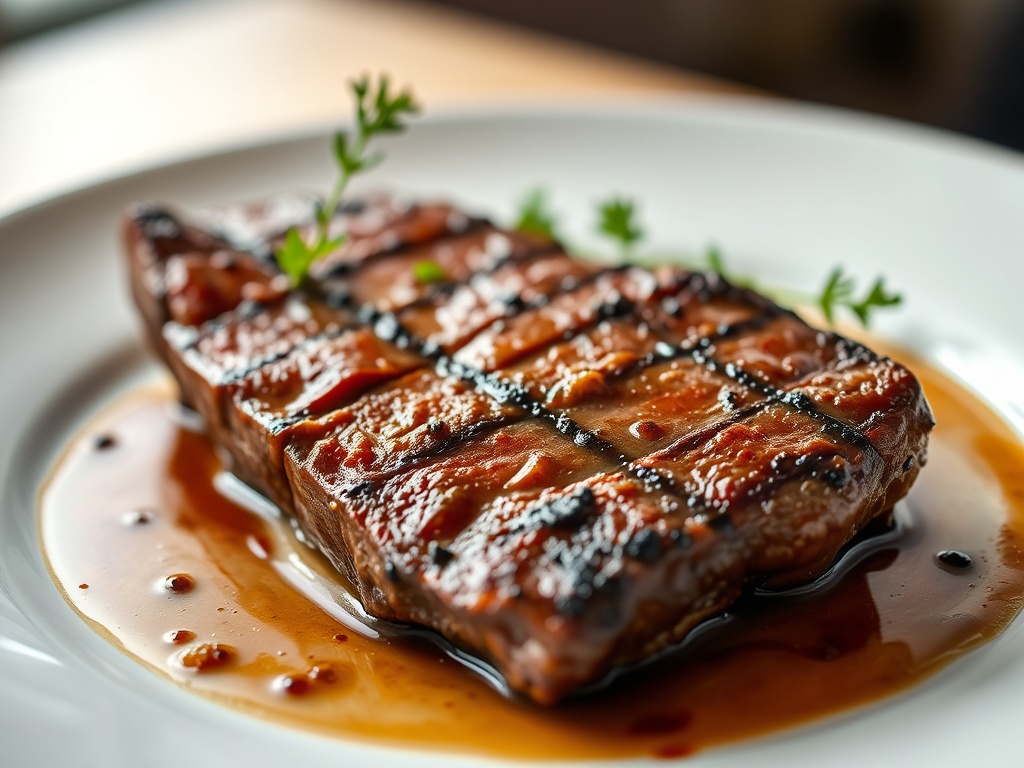
Introduction
There’s an undeniable allure to a perfectly cooked steak. It’s a culinary cornerstone, a dish that graces tables from backyard barbecues to upscale restaurants, symbolizing delicious indulgence and a celebration of flavor. The rich aroma, the satisfying sizzle, and that first tender, juicy bite – it’s an experience that few other foods can match. For many, steak is the ultimate crowd-pleaser, a dish that evokes comfort, sophistication, and pure gastronomic pleasure.
But achieving that restaurant-quality steak at home can often feel like a daunting task, shrouded in mystery and intimidating techniques. This guide is here to demystify the process, empowering you to conquer the kitchen and create a steak that rivals your favorite steakhouse. Forget the guesswork and the fear of overcooking; we’ll walk you through every step, from selecting the perfect cut to mastering the art of the sear and the crucial resting period.
You’ll learn the secrets behind achieving a beautiful crust and a tender, juicy interior, primarily focusing on the highly effective pan-searing and roasting method, with a nod to grilling for those sunny days. Prepare to impress yourself and your guests as you unlock the potential of this incredible piece of meat and transform your home cooking into a truly delicious adventure.
Nutritional Information
Per serving (approximate values for a 6oz Ribeye steak, cooked with 1 tbsp oil and 1 tbsp butter):
- Calories: 550
- Protein: 42g
- Carbohydrates: 0g
- Fat: 42g
- Fiber: 0g
- Sodium: 350mg
Ingredients
- 1 (1.5-inch thick) boneless ribeye, New York strip, or sirloin steak (approximately 12-16 oz)
- 1 tablespoon high smoke point oil (grapeseed, avocado, or canola)
- 2 tablespoons unsalted butter
- 2 sprigs fresh rosemary
- 3 sprigs fresh thyme
- 2 cloves garlic, smashed
- 1 teaspoon flaky sea salt (or ½ teaspoon fine sea salt)
- ½ teaspoon freshly ground black pepper
Instructions
- Remove the steak from the refrigerator at least 30-60 minutes before cooking to allow it to come closer to room temperature. This promotes more even cooking.
- Pat the steak thoroughly dry on all sides with paper towels. This is a crucial step for achieving a proper sear and a crispy crust.
- Season the steak generously on all sides with flaky sea salt and freshly ground black pepper. Press the seasoning into the meat. For a deeper flavor, you can dry brine the steak by salting it 12-24 hours in advance and storing it uncovered in the refrigerator.
- Preheat your oven to 400°F (200°C).
- Place a heavy-bottomed, oven-safe skillet (cast iron is ideal) over high heat. Allow the pan to heat up for 5-7 minutes until it is smoking hot. You should see wisps of smoke.
- Add the high smoke point oil to the hot skillet. Swirl to coat the bottom of the pan.
- Carefully place the seasoned steak into the hot skillet. Do not move the steak for the first 2-3 minutes. Allow it to develop a deep brown crust. You will hear a strong sizzle.
- After 2-3 minutes, use tongs to flip the steak. Immediately add the unsalted butter, rosemary sprigs, thyme sprigs, and smashed garlic cloves to the pan.
- Tilt the pan slightly and, using a spoon, continuously baste the melting butter, herbs, and garlic over the steak for 1-2 minutes. This infuses the steak with aromatic flavors and promotes a beautiful crust.
- Carefully transfer the skillet with the steak, butter, and aromatics to the preheated oven.
- Roast the steak in the oven until it reaches your desired internal temperature. Use an instant-read meat thermometer inserted into the thickest part of the steak, avoiding bone.
- Rare: 125-130°F (52-54°C)
- Medium-Rare: 130-135°F (54-57°C)
- Medium: 135-140°F (57-60°C)
- Medium-Well: 140-145°F (60-63°C)
- Well-Done: 150°F+ (65°C+)
Remember that carryover cooking will increase the internal temperature by 5-10°F (3-5°C) after it’s removed from the oven, so pull the steak slightly before it reaches your target doneness. For a 1.5-inch thick steak, this typically takes 4-8 minutes in the oven for medium-rare.
- Once the steak reaches the desired temperature, remove the skillet from the oven. Transfer the steak to a cutting board.
- Tent the steak loosely with aluminum foil and allow it to rest for at least 5-10 minutes. This crucial step allows the juices to redistribute throughout the meat, resulting in a more tender and juicy steak.
- After resting, slice the steak against the grain into desired portions.
- Serve immediately and enjoy your perfectly cooked steak!
Cooking Tips and Variations
To truly master the art of steak, understanding the Maillard reaction is key – that beautiful browning and complex flavor development that occurs with high heat. Always use high smoke point oils like grapeseed, avocado, or canola when searing, as they won’t burn and impart off-flavors. A meat thermometer is your absolute best friend; it’s the only reliable way to ensure your steak is cooked to your preference without guessing. Remember, carryover cooking is real – your steak’s internal temperature will rise by several degrees after you pull it from the heat, so always remove it slightly before your target doneness. For the best results, opt for thicker cuts, ideally 1.5 inches or more, as they are more forgiving and easier to cook to a perfect medium-rare without overcooking the exterior. Don’t overcrowd the pan; if you’re cooking multiple steaks, work in batches to maintain high heat and achieve a proper sear. And always ensure good ventilation, as searing will produce some smoke.
For variations, consider a dry brine for deeper seasoning and a drier surface, which enhances the crust. While rosemary and thyme are classic aromatics for basting, experiment with other herbs like sage or even a pinch of red pepper flakes for a subtle kick. For tougher cuts like flank or skirt steak, marinating for a few hours can tenderize and add flavor. A simple marinade of olive oil, soy sauce, garlic, and a touch of acid like lemon juice or red wine vinegar works wonders. Compound butters are another fantastic way to elevate your steak; simply mix softened butter with minced garlic, fresh herbs, or blue cheese, then dollop it over the hot, rested steak to melt. Don’t forget the power of a good pan sauce! After removing your steak, deglaze the pan with a splash of red wine, beef broth, or even a touch of cream, scraping up all those flavorful bits, then reduce it slightly for an instant, rich sauce.
Storage and Reheating
To store leftover cooked steak, allow it to cool completely to room temperature (no more than 2 hours) before transferring it to an airtight container. Refrigerate promptly for up to 3-4 days. For longer storage, you can freeze cooked steak in a freezer-safe bag or container for up to 2-3 months. When freezing, wrap individual slices or portions tightly to prevent freezer burn.
For reheating, the goal is to warm the steak without overcooking it and making it dry. The best method is gentle, indirect heat. Preheat your oven to a low temperature, around 250°F (120°C). Place the steak on a wire rack set over a baking sheet and heat for 15-25 minutes, or until warmed through. Alternatively, you can gently reheat steak slices in a skillet over medium-low heat with a small amount of beef broth or water, covered, until just warm. Avoid microwaving steak, as it tends to make it tough and rubbery.
Frequently Asked Questions
What is the best cut of steak for beginners?
For beginners, a boneless ribeye or New York strip is often recommended. They are both well-marbled, which contributes to flavor and tenderness, making them more forgiving to cook than leaner cuts like filet mignon, which can dry out quickly. Their consistent thickness also aids in even cooking.
How do I know when my steak is done without a thermometer?
While a meat thermometer is the most reliable method, you can use the “touch test” as an approximation. Gently press the center of the steak with your finger. A rare steak will feel soft and jiggly, medium-rare will have some give, medium will be firm but still springy, and well-done will feel very firm with little give. However, this method requires practice and is less accurate than a thermometer.
Why is resting the steak so important?
Resting the steak allows the muscle fibers, which contract during cooking and push juices to the center, to relax. This enables the juices to redistribute throughout the entire piece of meat. If you cut into a steak immediately after cooking, all those delicious juices will run out, leaving you with a drier, less flavorful steak. Resting ensures a tender, juicy result.
Can I grill the steak instead of pan-searing and roasting?
Absolutely! Grilling is another fantastic method for cooking steak. Preheat your grill to high heat. Sear the steak over direct heat for 2-3 minutes per side to get good grill marks and a crust. Then, move the steak to a cooler, indirect heat zone to finish cooking to your desired internal temperature, typically 5-10 minutes depending on thickness. Always remember to rest the steak after grilling.